Scope and Industry Context
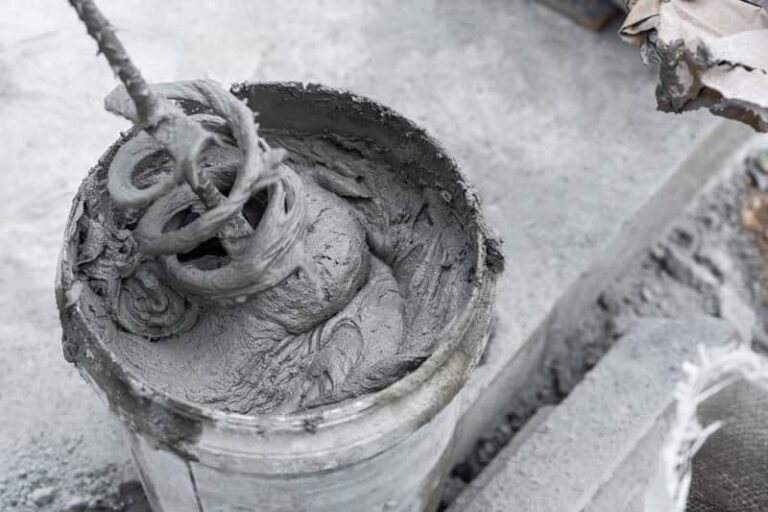
Cement-based materials are fundamental to construction systems across Europe, including ready-mix concrete, dry mix mortar, precast components, and infrastructure applications.
With increasing requirements on durability, consistency, and environmental compliance, standard cement formulations are no longer sufficient to meet modern construction demands.
Typical challenges observed in European projects include:
- Reduced workability during long-distance transport
- Inconsistent performance across production batches
- Delayed strength development in low-temperature conditions
- Rapid setting under high-temperature environments
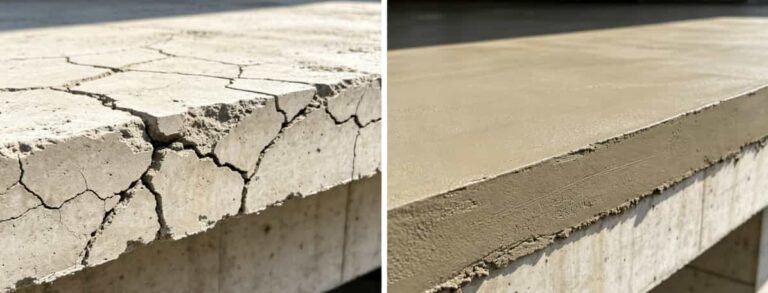
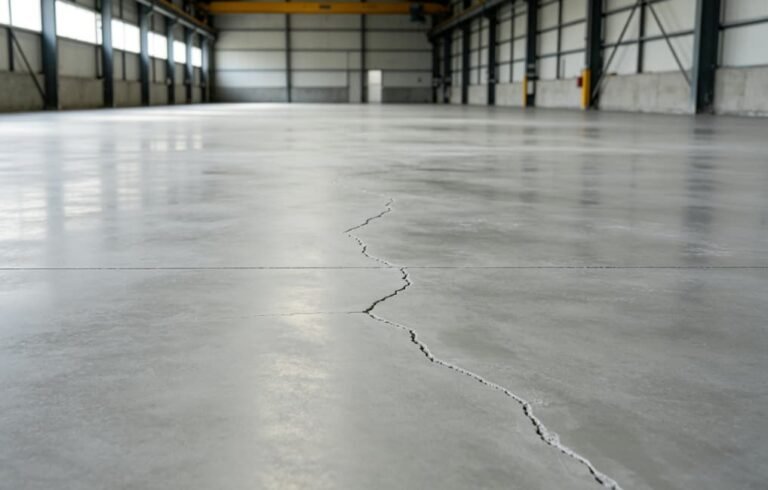
- Increased risk of cracking and durability issues
To address these challenges, construction systems are implemented as functional components within cement-based formulations, rather than optional additives.
Functional Classification of Core Admixtures
In current European formulation practices, five categories of admixtures are considered essential for balancing performance, processability, and durability:
Each category addresses a specific performance requirement within the system.
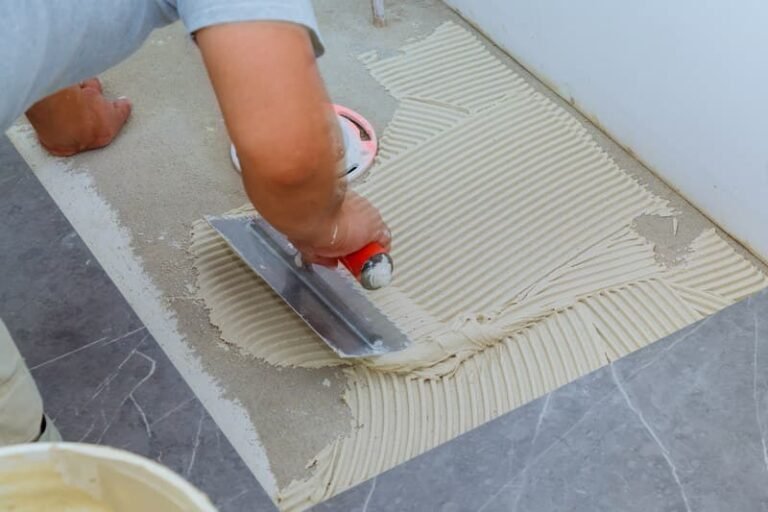
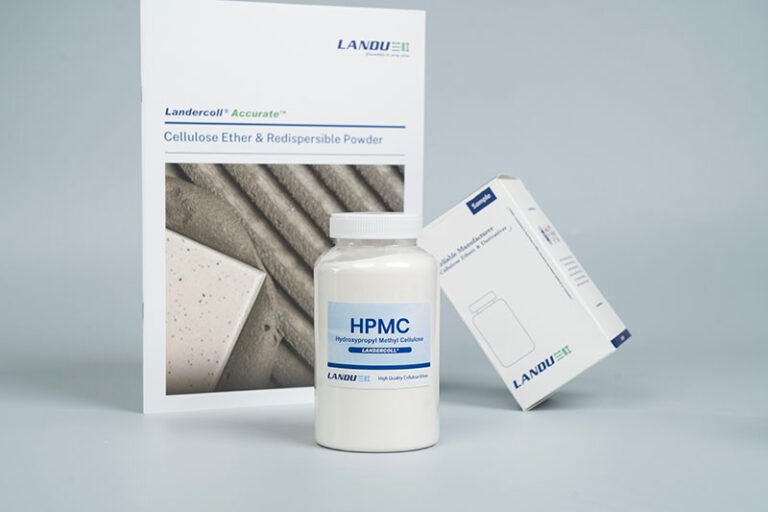
Cellulose Ether: Water Retention and Application Stability
Technical Effects:
- Extends open time for application
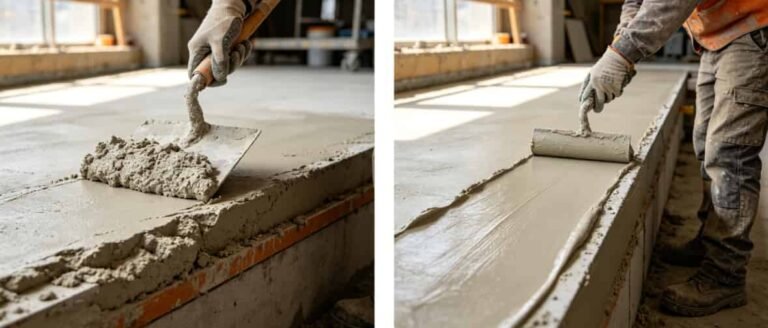
- Improves anti-sagging behavior in vertical systems
- Enhances consistency and workability
- Reduces segregation and bleeding
Application Context:
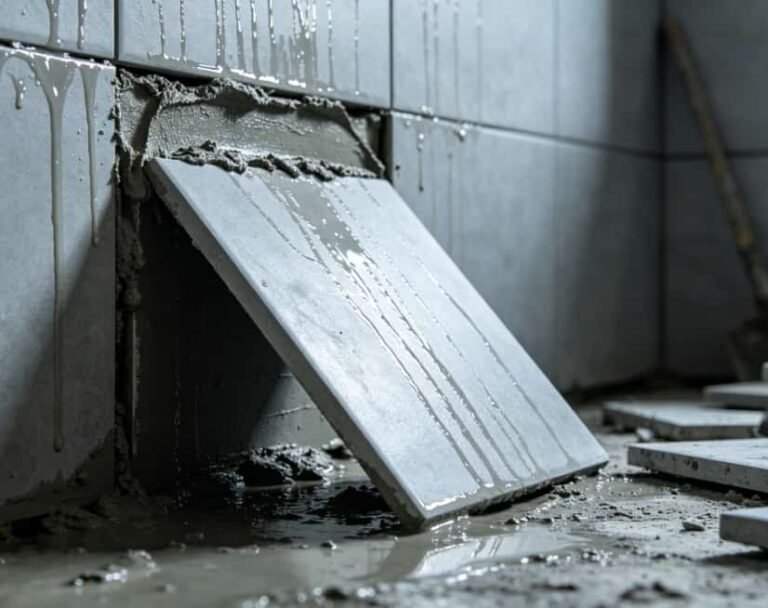
In renovation projects involving highly absorbent substrates, as commonly observed in Central and Eastern Europe, water retention becomes critical to avoid insufficient hydration and bonding failure.
Selection Parameters:
- Viscosity grade
- Gel temperature
- Degree of substitution
Proper parameter matching is required to balance workability and mechanical performance.
Polycarboxylate Superplasticizer (PCE): Water Reduction and Strength Optimization
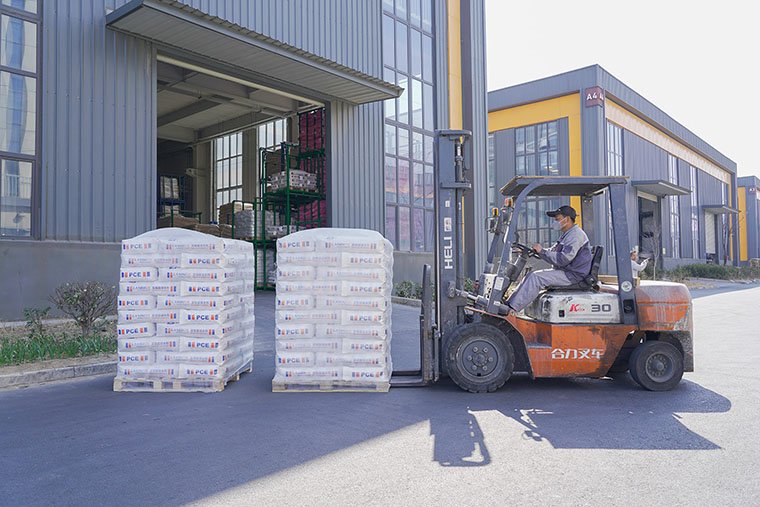
PCE-based superplasticizers are the dominant solution for high-performance concrete across Europe.
They function by dispersing cement particles through electrostatic repulsion and steric hindrance mechanisms, resulting in improved fluidity at reduced water content.
Technical Effects:
- Water reduction typically in the range of 25–35%
- Improved compressive strength
- Enhanced durability (reduced permeability)
- Stable slump retention during transport
Application Context:
In ready-mix operations supplying urban construction projects, maintaining workability during transport is critical to avoid on-site adjustments and material waste.
Compatibility Considerations:
Performance depends on compatibility with:
- Cement type (e.g., CEM I, CEM II)
- Other admixtures (retarders, accelerators)
Laboratory validation is required prior to large-scale production.
Need an expert?
Provide 7*24 hour service
Calcium Formate: Early Strength Development in Low Temperature Conditions
Calcium formate is a chloride-free accelerator used to improve early strength development, particularly in cold climates.
Technical Effects:
- Accelerates hydration of cement minerals
- Increases early compressive strength (12–48 hours)
- Reduces curing time
Application Context:
In Eastern European winter construction and precast production, low temperatures significantly slow down hydration. The use of calcium formate enables stable strength development and maintains production efficiency.
Compatibility:
Calcium formate can be used in combination with:
Retarders: Setting Time Control in High Temperature and Transport Conditions
Retarders are used to regulate the setting time of cement-based systems, particularly in high-temperature environments or extended transport scenarios.
Technical Effects:
- Delays initial and final setting time
- Maintains workability during placement
- Reduces risk of premature hardening
Application Context:
In Southern Europe and export projects to hot climates, rapid hydration can result in loss of workability before placement. Retarders ensure sufficient processing time for mixing, transport, and application.
System Design Consideration:
Retarders are typically used in combination with PCE to balance fluidity and setting behavior.
Synthetic Fibers: Crack Control and Durability Enhancement
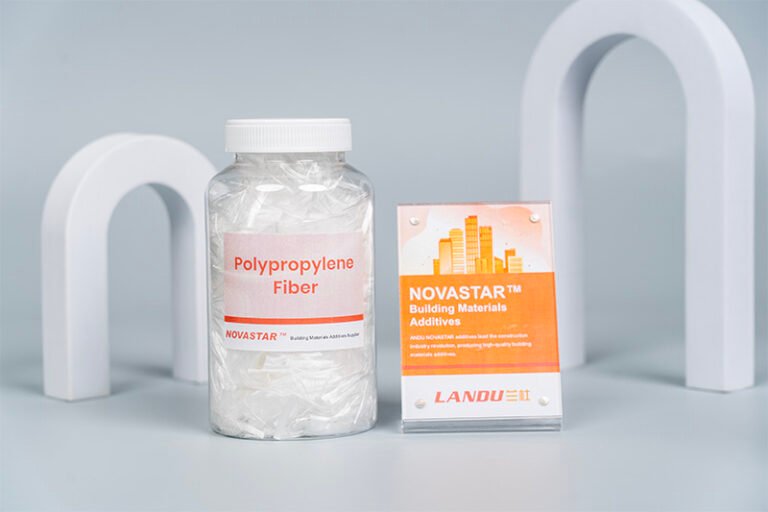
Synthetic fibers (PP, PVA, polyester, PAN) are used to improve the structural integrity of cement-based materials.
Technical Effects:
- Reduces plastic shrinkage cracking
- Improves impact resistance
- Enhances durability under freeze-thaw conditions
Application Context:
In infrastructure, industrial flooring, and waterproof systems, fiber reinforcement contributes to extended service life and reduced maintenance requirements.
Selection Considerations:
- Fiber type
- Length and dosage
- Dispersion performance
Admixture System Design Considerations
In European construction practice, optimal performance is achieved through combined admixture systems, rather than individual components.
Key Factors:
- Climate conditions (temperature, humidity)
- Cement type and regional standards
- Application scenario (dry mix vs ready-mix vs precast)
- Production scale and consistency requirements
Recommended Approach:
- Laboratory formulation design
- Trial batching under simulated conditions
- Performance validation before scale-up
A systematic approach reduces formulation risk and improves batch consistency.
Compliance and Regulatory Considerations
Admixtures used in European construction must comply with relevant regulations and standards, including:
- REACH (chemical safety regulation)
- CE marking requirements
- Environmental and safety standards
Material selection must ensure:
- Non-toxicity
- Absence of harmful substances
- Compatibility with reinforced concrete systems
Note: For specific applications, refer to EN 934-2 (admixtures for concrete) and EN 206 (concrete specification).