UHPC Additives for High Early Strength and Stable Workability | LANDU

Optimized for low water demand, dense particle packing, and reliable UHPC processing.

Common Performance Challenges in UHPC Additives

UHPC mixes can achieve exceptional compressive strength in the lab, yet still fail during production or placement. Rapid slump loss, poor fiber dispersion, excessive stickiness, and unstable flowability remain common challenges in low water-to-binder systems.

In many cases, the issue is not cement strength itself, but how the additives interact within an ultra-dense particle matrix. Small formulation changes can significantly affect rheology, pumpability, finishing behavior, and early strength development.

LANDU UHPC additives are designed to help manufacturers maintain stable workability while supporting strength, flow retention, and processing consistency across demanding UHPC applications.

LANDU: Your Trusted UHPC Additives Manufacturer

UHPC AdditiveKey BenefitsApplications
Polycarboxylate Superplasticizer (PCE)Enhances workability, increases strength, reduces water contentBridge construction, high-rise buildings, precast elements
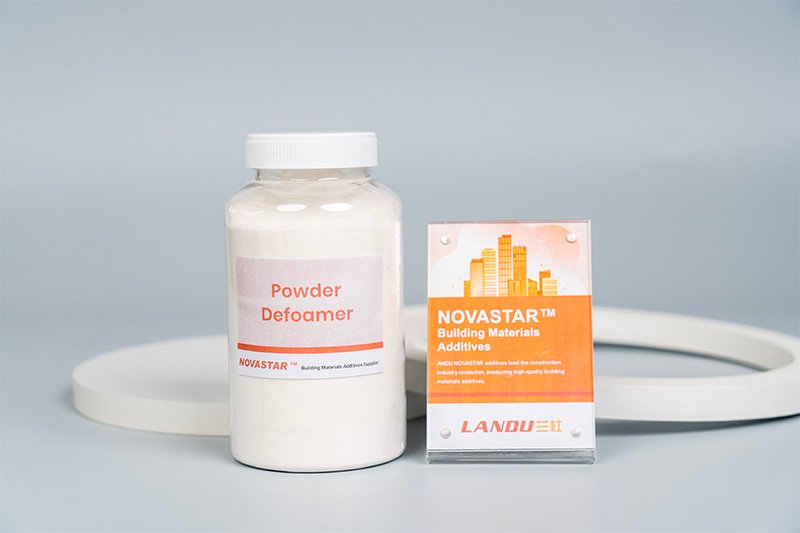
Powder DefoamerEliminates bubbles, improves surface finish, increases densityArchitectural concrete, water-resistant structures, thin sections

Common Functions of UHPC Additives

Challenges in UHPC Additives

Flow spread test | LANDU UHPC

Slump Loss

  • Flowability drops rapidly during mixing or transport
  • Difficult pumping and unstable placement behavior
  • Reduced construction efficiency on site

LANDU UHPC Additives Solution:
Improves flow retention and maintains stable rheology under low water conditions.

Comparison of fiber distribution in UHPC cross-section

Fiber Clumping

  • Uneven steel fiber distribution in dense UHPC systems
  • Surface defects and inconsistent mechanical performance
  • Poor dispersion during continuous mixing

LANDU Solution:
Supports better fiber dispersion and more uniform mix consistency.

Comparison of casting flow | LANDU

High Viscosity

  • Mix becomes sticky and difficult to pump
  • Increased equipment load during placement
  • Poor finishing and reduced workability

LANDU Solution:
Balances viscosity and workability for smoother UHPC processing.

Recommended Additive Systems for Different UHPC Additives

UHPC ApplicationCommon Performance RequirementsRecommended LANDU Additive SystemMain Function
Precast UHPC PanelsStable flowability, fast demolding, smooth surface finishHPMC + Polycarboxylate Superplasticizer (PCE) + DefoamerImproves workability, reduces air entrapment, supports early strength development
Architectural UHPCFine surface appearance, fiber dispersion, crack resistanceHPMC + RDP + Rheology ModifierEnhances cohesion, improves fiber distribution, reduces segregation
UHPC for Pumping ApplicationsLong flow retention, pump stability, reduced viscosity fluctuationHPMC + PCE + RetarderMaintains stable rheology during transport and continuous pumping
Thin UHPC SectionsHigh cohesion, anti-sag behavior, uniform particle distributionHPMC + Rheology Control AdditivesImproves mix stability and placement consistency in thin structures
High-Strength Structural UHPCDense matrix, ultra-low water demand, durabilityHPMC + PCE + Specialty Performance AdditivesSupports particle packing density and long-term mechanical performance


Why Choose LANDU for UHPC Additives

Beyond supplying additives, we help customers optimize formulations and improve real construction performance.

We Offer:

Try our UHPC Additives chemical products risk-free! 
LANDU Company

With LANDU, you get accurate products, reliable quality, and outstanding service. Simply send us a message, and we’ll take care of everything!
Partner with LANDU - Your Professional UHPC Additives Manufacturer

Wall Putty / Skim Coat

Expert Formulation Support

Our team helps you optimize your UHPC Additives for specific applications. We analyze your current product and suggest improvements. Furthermore, we provide custom blends to meet your unique requirements. As a result, you get a formula that outperforms competitors while meeting your cost targets.
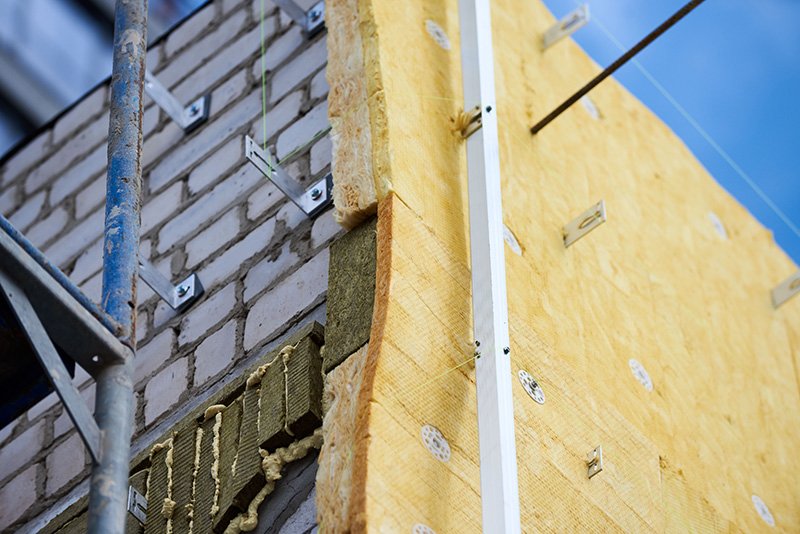
LANDU-The-Structure-of-an-EIFS-System

Quality and Innovation Commitment

LANDU holds ISO 9001 and EU REACH certification. Our products are exported to over 60 countries with extensive experience working with multinational corporations.
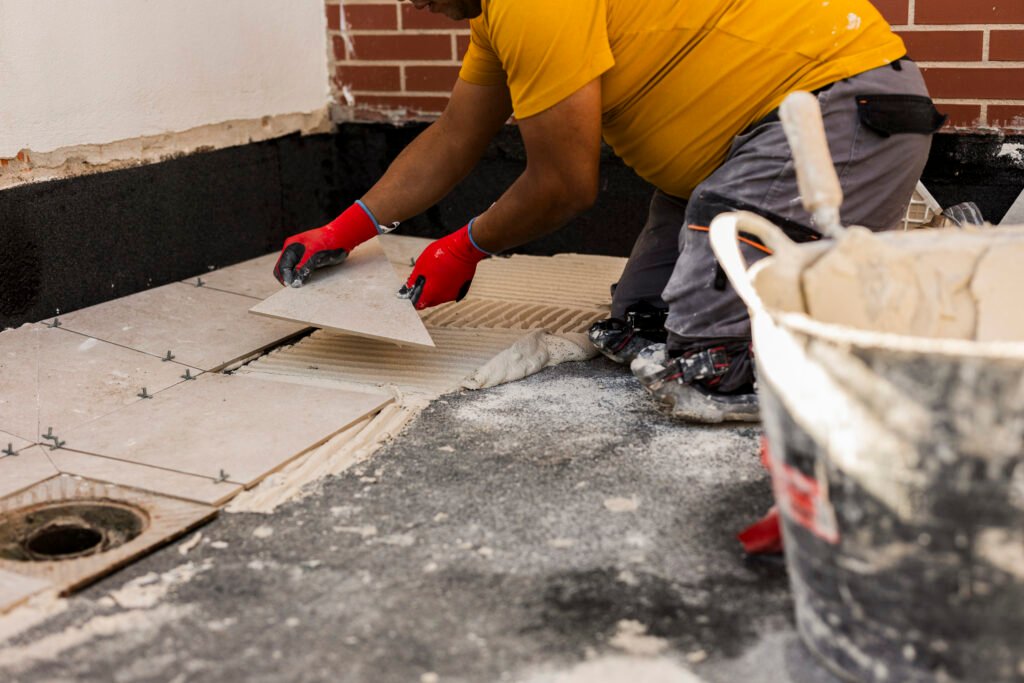
midsection, hispanic, man, laying, tile, floor, new house, adults only, renovation, bathroom, aluminum, apartment, adult, blue-collar worker, building contractor, bangkok, building - activity, architecture, repairman, indoor, installing, horizontal, ceramic, working, home improvement, construction worker, occupation, house, person, one person, color image, industry, male, diy, cement, tiled floor, repairing, hand, new, concrete, construction site, craftsperson, professional occupation, work tool, material, glue, trowel, residential building, human body part, decoration

Large Volume Order Capability

With three major factories and 75,000 tons of annual production capacity, we can quickly deliver large orders of Redispersible Polymer Powder.

FAQs - UHPC Additives

Everything you need to know about LANDU's UHPC Additives production and quality control

1. Why does UHPC lose flowability so quickly?

UHPC mixes operate with extremely low water content, making them highly sensitive to particle dispersion and additive compatibility. Poor rheology balance can cause rapid slump loss during transport, pumping, or continuous mixing, especially in mixes with high silica fume content.

2. Why is my UHPC mix becoming too sticky?

Excessive viscosity is often caused by ultra-fine particles, unstable water distribution, or improper additive dosage. A mix with high compressive strength may still become difficult to pump, cast, or finish if rheology is not properly controlled.

3. Can HPMC be used in UHPC formulations?

Yes. In controlled dosages, HPMC can help improve cohesion, reduce segregation, and stabilize workability in UHPC systems. The key is balancing viscosity and flowability without negatively affecting placement behavior.

4. What causes steel fiber clumping in UHPC?

Fiber balling usually occurs when the mix lacks sufficient dispersion stability or becomes too cohesive during mixing. Proper rheology control helps improve fiber distribution and maintain more uniform mechanical performance.

5. How can UHPC flow retention be improved during pumping?

Stable flow retention depends heavily on additive compatibility, particle packing balance, and water distribution within the mix. Many UHPC producers optimize rheology-control additives to reduce slump loss during long mixing or pumping cycles.

6. Why does UHPC contain trapped air bubbles?

Air entrapment is common in dense UHPC systems with high powder content and insufficient deaeration control. Trapped air can affect surface finish quality and reduce matrix density in architectural or precast applications.

7. What should be considered when selecting UHPC additives?

Key factors include water-to-binder ratio, fiber dosage, pumping conditions, early strength targets, and compatibility with silica fume or other ultra-fine materials. In many cases, additive balance is more important than simply increasing dosage.

8. How do LANDU additives help stabilize UHPC production?

LANDU additive systems are designed to improve flow stability, rheology control, and processing consistency in demanding UHPC applications, helping manufacturers achieve more reliable production performance across different mixing and placement conditions.