Waterproof Mortar Additives for Durable Cement-Based Waterproofing Systems

Improve water resistance, crack control, and application stability in cement-based waterproofing mortar systems.

Common Challenges in Waterproof Mortar Additives Formulations

Modern waterproof mortar formulations must balance far more than basic water resistance. Inconsistent additive systems often lead to:

  • Cracking after drying or curing
  • Poor adhesion on concrete and cement substrates
  • Low flexibility under temperature changes
  • Water seepage caused by weak waterproof layers
  • Unstable workability during on-site application
  • Pinholes, shrinkage, or surface powdering
  • Reduced durability in long-term outdoor exposure

For many manufacturers, the challenge is not a single raw material, but how cellulose ethers, polymer powders, and hydrophobic additives work together inside the formulation. LANDU helps optimize waterproof mortar additive systems for better crack control, application stability, and reliable long-term waterproofing performance in cementitious construction materials.

LANDU: Your Trusted Waterproof Mortar Additives Manufacturer

What Are Waterproof Mortar Additives?

Waterproof mortar additives are functional materials used to improve the performance, stability, and durability of cementitious waterproofing systems.

Typical functions include:

  • Improving water resistance and waterproof durability
  • Enhancing adhesion on concrete and cement substrates
  • Increasing flexibility and crack resistance
  • Stabilizing workability during application
  • Reducing shrinkage, pinholes, and segregation
  • Optimizing water retention and open time

Common additive systems include cellulose ethers, redispersible polymer powders, hydrophobic additives, defoamers, and setting modifiers. These materials work together to help waterproof mortars maintain stable on-site performance under different construction and climate conditions.
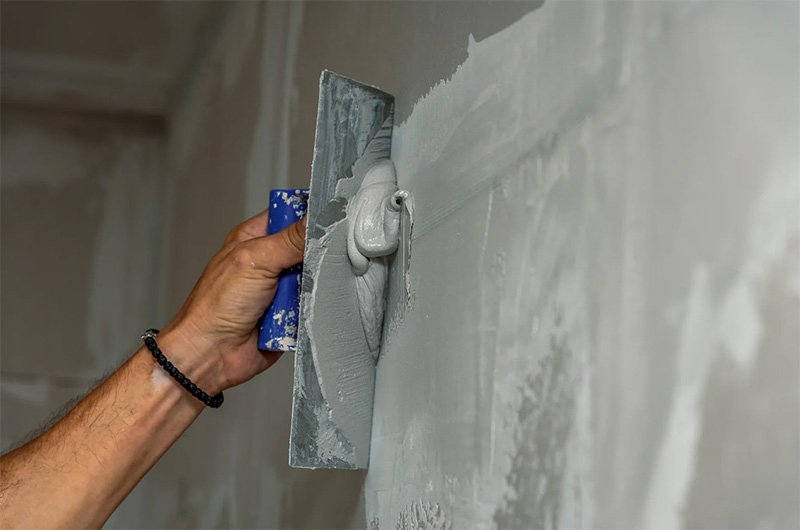
LANDU- Waterproof-Mortar
Request Free Sample

Get a free sample of any additive to test in your self-leveling compounds!

Self-leveling compounds Selection Guide

Additive TypeMain BenefitsBest For
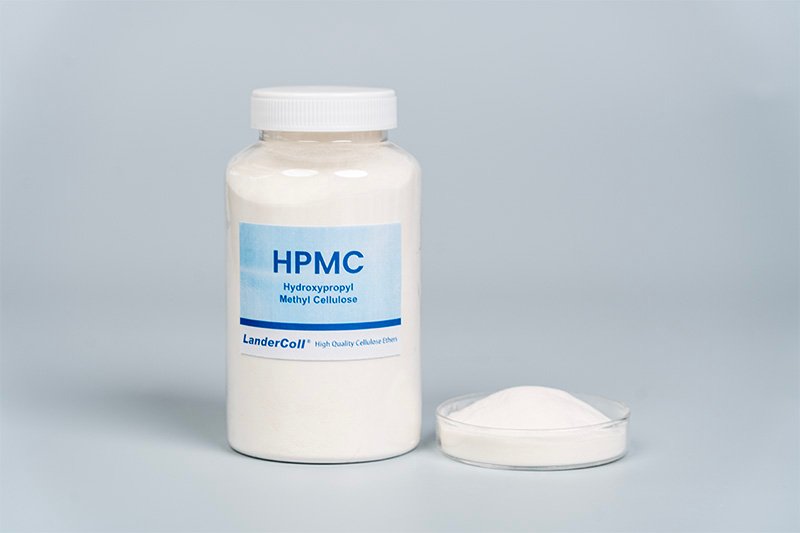
HPMC (Hydroxypropyl Methyl Cellulose)Water retention, workabilityGeneral waterproofing, preventing rapid drying
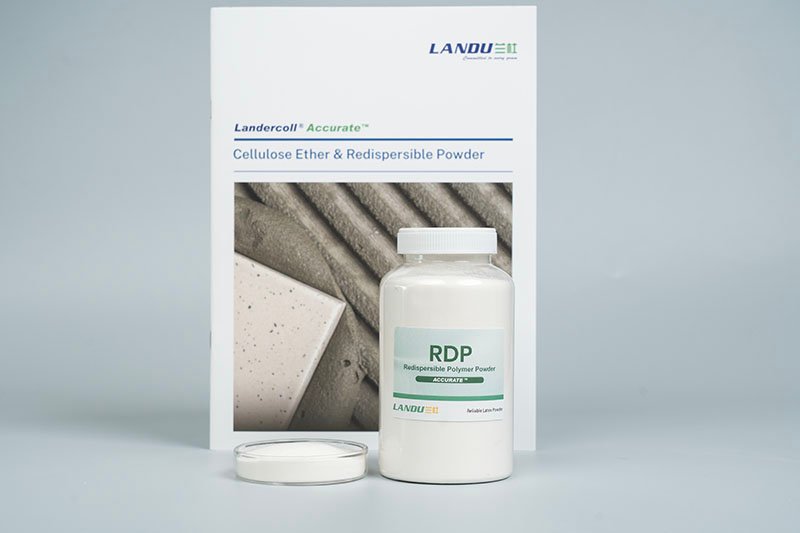
RDP (Redispersible Latex Powder)Flexibility, crack preventionAreas with temperature fluctuations
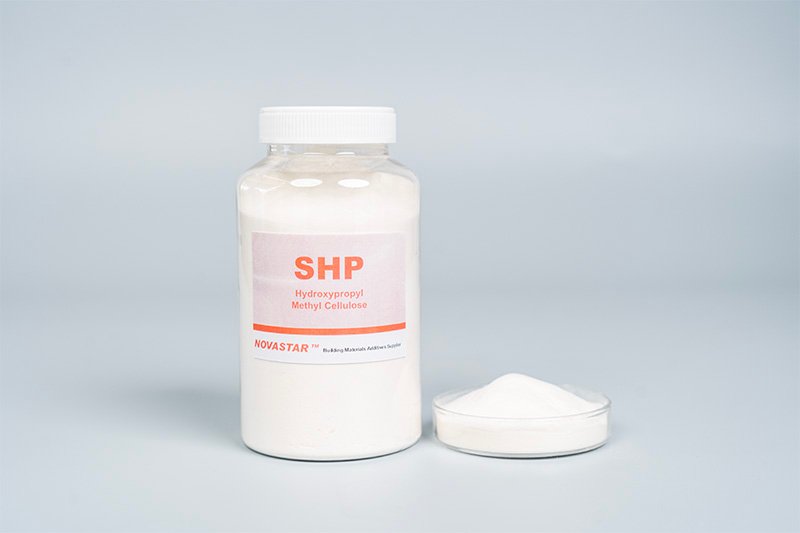
SHP (Silicone Hydrophobic Powder)Enhanced waterproofingHigh-moisture environments
Powder DefoamerEliminates air bubbles, increases densityAchieving smooth, dense mortar applications
HEMC (Hydroxyethyl Methyl Cellulose)Bonding strength, thermal stabilityChallenging environments with temperature changes

Recommended Additives for Waterproof Mortar Formulations

LANDU-HPMC-Hydroxypropyl-Methyl-Cellulose-chemical
  • Improves water retention and workability
  • Enhances anti-sag performance
  • Helps stabilize mortar consistency during application
Redispersible Polymer Powder | China RDP Powder | LANDU
  • Improves adhesion and flexibility
  • Reduces cracking after curing
  • Enhances bonding strength on difficult substrates
SHP-LANDU-Silicone-hydrophobic-powder
  • Reduces water absorption
  • Improves waterproof durability
  • Helps maintain long-term moisture resistance

Solving Common Waterproof Mortar Formulation Problems

Common ProblemPossible CauseRecommended Additive Solution
Cracking after curingInsufficient flexibility or poor water retentionRDP + cellulose ether
Weak adhesion on concreteLow polymer modificationFlexible RDP systems
Poor workability during applicationUnstable water retentionHPMC optimization
Water seepage after curingIncomplete waterproof structureHydrophobic additives
Pinholes and uneven surfacesExcess trapped airDefoamers
Powdering or weak surface strengthPoor formulation balanceOptimized additive system


Solving Common Waterproof Mortar Formulation Problems

LANDU cellulose ether and RDP systems help improve flexibility and crack resistance

Cracking After Curing

  • Shrinkage stress and moisture loss can cause waterproof mortars to crack after drying
  • Insufficient flexibility often reduces long-term waterproof durability
  • Poorly balanced polymer systems may lead to brittle cementitious layers

LANDU cellulose ether and RDP systems help improve flexibility and crack resistance;More stable curing performance supports durable waterproof protection

LANDU RDP systems help improve bonding strength and substrate compatibility

Weak Adhesion on Concrete Substrates

  • Dense or low-absorption substrates can reduce mortar bonding performance
  • Inadequate polymer modification may cause debonding or hollow areas
  • Poor adhesion often affects long-term waterproof reliability

LANDU RDP systems help improve bonding strength and substrate compatibilit;Better adhesion stability supports more reliable waterproof mortar application

LANDU cellulose ether solutions help stabilize mortar consistency during mixing and application

Inconsistent Workability During Application

  • Rapid water loss can make waterproof mortar difficult to spread evenly
  • Unstable consistency often affects application efficiency on-site
  • Poor water retention may lead to uneven surfaces and reduced workability

LANDU cellulose ether solutions help stabilize mortar consistency during mixing and application; Improved workability supports smoother troweling and better application control
Why Choose LANDU for Waterproof Mortar Additives

Beyond supplying additives, we help customers optimize formulations and improve real construction performance.

We Offer:

Try our Waterproof Mortar Additives chemical products risk-free! 
LANDU Company

With LANDU, you get accurate products, reliable quality, and outstanding service. Simply send us a message, and we’ll take care of everything!
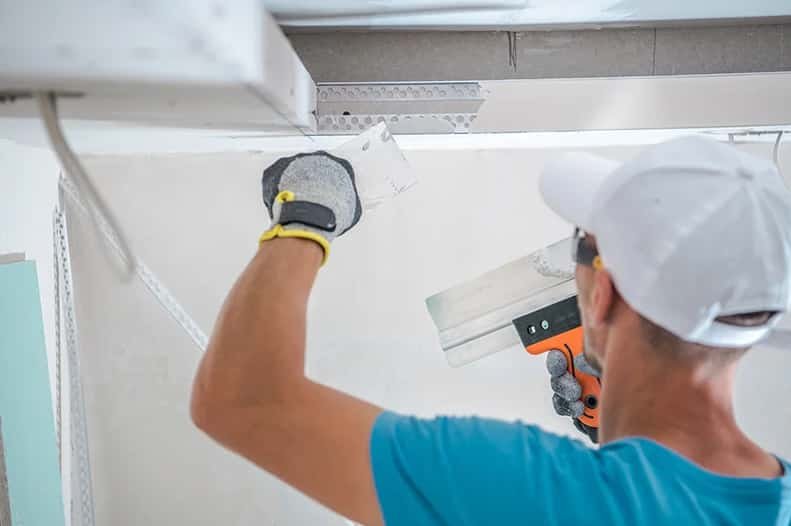
Partner with LANDU - Your Professional Waterproof Mortar Additives Manufacturer

Wall Putty / Skim Coat

Expert Formulation Support

Our team helps you optimize your Waterproof Mortar Additives formula for specific applications. We analyze your current product and suggest improvements. Furthermore, we provide custom blends to meet your unique requirements. As a result, you get a formula that outperforms competitors while meeting your cost targets.
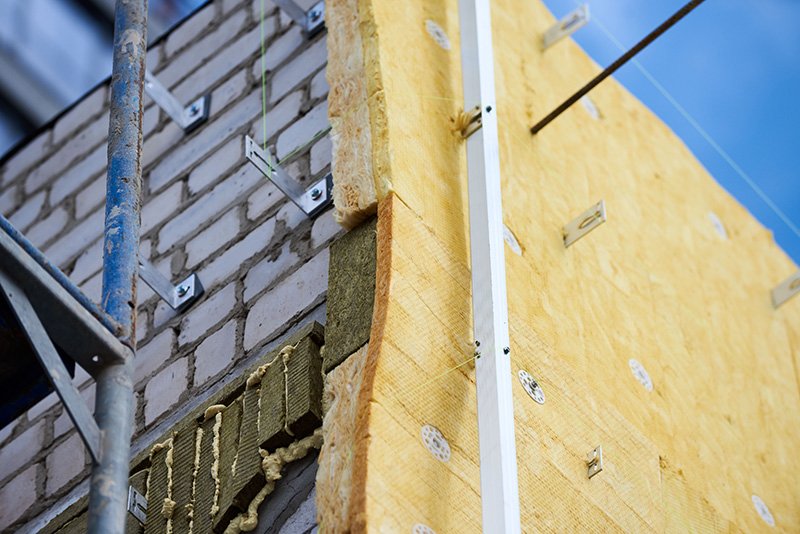
LANDU-The-Structure-of-an-EIFS-System

Quality and Innovation Commitment

LANDU holds ISO 9001 and EU REACH certification. Our products are exported to over 60 countries with extensive experience working with multinational corporations.
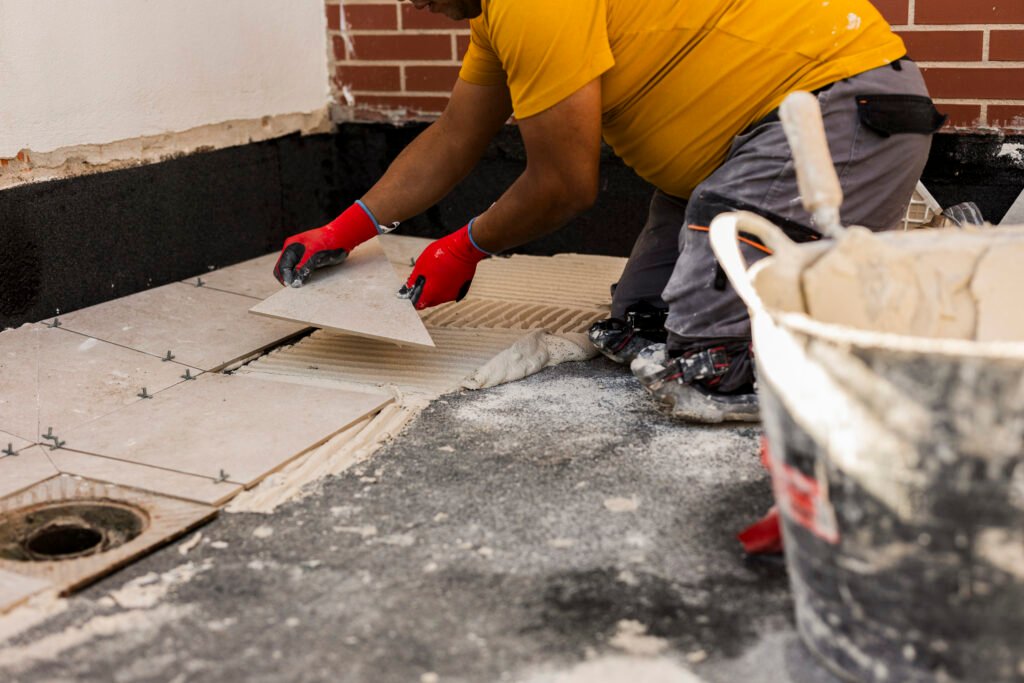
midsection, hispanic, man, laying, tile, floor, new house, adults only, renovation, bathroom, aluminum, apartment, adult, blue-collar worker, building contractor, bangkok, building - activity, architecture, repairman, indoor, installing, horizontal, ceramic, working, home improvement, construction worker, occupation, house, person, one person, color image, industry, male, diy, cement, tiled floor, repairing, hand, new, concrete, construction site, craftsperson, professional occupation, work tool, material, glue, trowel, residential building, human body part, decoration

Large Volume Order Capability

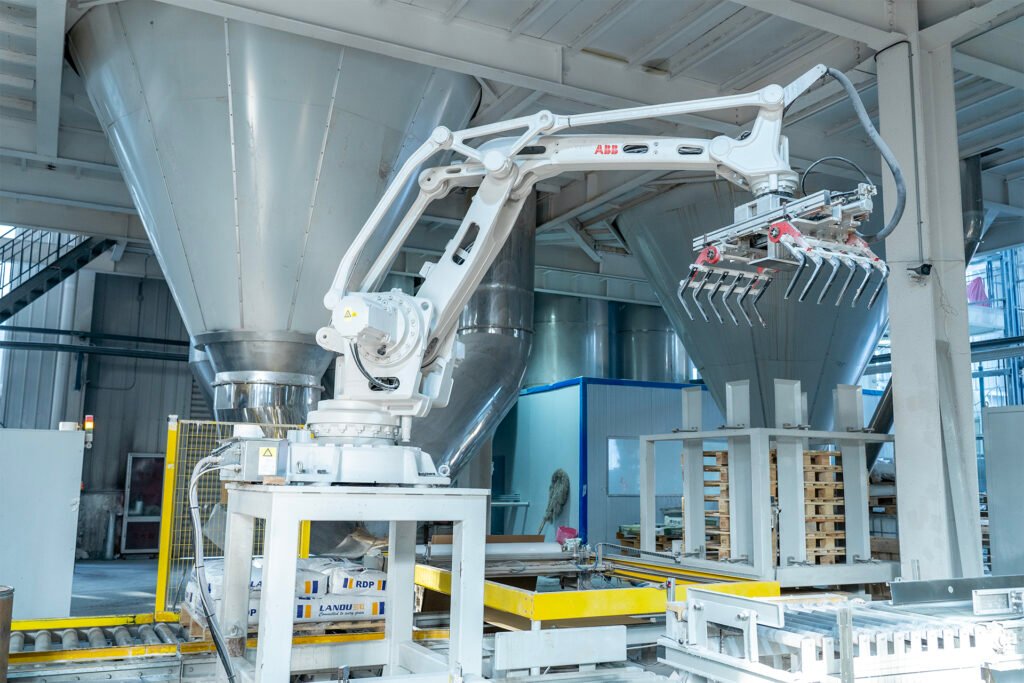
With three major factories and 75,000 tons of annual production capacity, we can quickly deliver large orders of Redispersible Polymer Powder.

Frequently Asked Questions About Waterproof Mortar Additives

Everything you need to know about LANDU's Waterproof Mortar Additives production and quality control

1. Why does waterproof mortar crack after drying?

Cracking after drying is often caused by insufficient flexibility, rapid moisture loss, or poor polymer balance inside the formulation. Optimized additive systems help reduce shrinkage stress and improve curing stability in cementitious waterproofing mortars.

2. How can adhesion be improved in waterproof mortar applications?

Adhesion performance can be improved through proper polymer modification, stable water retention, and balanced mortar flexibility. LANDU RDP systems help improve bonding strength and substrate compatibility on concrete and cement-based surfaces.

3. What causes poor workability in waterproof mortar?

Poor workability is usually related to unstable water retention, rapid water loss, or imbalanced additive compatibility. LANDU cellulose ether solutions help stabilize mortar consistency and improve application performance during mixing and on-site construction.

4. Which additives improve waterproof mortar flexibility?

Redispersible polymer powders are commonly used to improve flexibility and crack resistance in cementitious waterproofing mortars. Cellulose ethers also help maintain stable application properties and reduce curing-related stress.

5. Why does waterproof mortar lose waterproof performance over time?

Long-term waterproof failure may result from cracking, weak adhesion, insufficient hydrophobic performance, or unstable additive systems. Proper formulation optimization helps improve waterproof durability under different construction and climate conditions.

6. What is the difference between rigid and flexible waterproof mortar?

Rigid waterproof mortars mainly rely on cement density for water resistance, while flexible waterproof mortars use polymer modification to improve crack resistance, adhesion, and adaptability to substrate movement.

7. Can HPMC affect waterproof mortar strength?

Excessive cellulose ether dosage may affect strength development and curing behavior in waterproof mortar systems. Proper viscosity selection and balanced formulation design are important for stable overall performance.

8. How do hydrophobic additives work in cementitious waterproofing mortars?

Hydrophobic additives help reduce water absorption inside the mortar structure, improving moisture resistance and long-term waterproof durability in cement-based waterproofing systems.

9. What should manufacturers consider when selecting waterproof mortar additives?

Manufacturers typically evaluate water retention, flexibility, crack resistance, adhesion strength, and additive compatibility when optimizing waterproof mortar formulations. LANDU supports manufacturers with formulation-oriented cellulose ether and polymer additive solutions designed for reliable long-term construction performance.