Functional Additive Solutions for European Building Material Manufacturers
Construction applications cover a comprehensive range of wall, floor, and exterior facade systems—from substrate preparation to final decorative and protective finishes.
Our portfolio includes mainstream dry-mix mortars, gypsum-based materials, exterior insulation ETICS/EIFS, floor leveling compounds, and architectural coating solutions.
As a leading manufacturer based in China, LANDU tailors high-performance functional additives to suit European climatic conditions, local construction practices, and unified EN standards, helping material producers stabilize formula performance and improve on-site construction efficiency.
If you are working on a concrete floor that needs leveling, explore Self-leveling Compounds. For wall renovation and surface smoothing solutions, check Wall Putty & Skim Coat. External wall insulation projects can refer to our professional ETICS / EIFS system solutions.
For interior and exterior decorative and protective finishing on walls, ceilings, and rendered surfaces in residential and commercial buildings.
Typical scenario: For smoothing interior concrete and masonry walls to a fine, paint-ready finish before decoration.
Key specification: Layer thickness 1–3 mm per coat; suitable for manual and machine application.
Applicable standard: EN 998-1
Typical scenario: For joint filling, plastering, and interior finishing on gypsum board, drywall systems, and solid gypsum substrates.
Key specification: Working time 45–90 minutes; compatible with hand and mechanical tools.
Applicable standard: EN 13279
Typical scenario: For durable, weather-resistant rendering on exterior masonry, brick, and concrete block walls; also suitable for interior damp zones.
Key specification: Application thickness 8–20 mm; enhanced water resistance and vapour permeability.
Applicable standard: EN 998-1
Typical scenario: For interior and exterior decorative and protective finishing on walls, ceilings, and rendered surfaces in residential and commercial buildings.
Key specification: High coverage rate; available in multiple sheen levels and colour ranges.
Applicable standard: EN 13300
Bonding and levelling solutions for new floor installations and renovation projects.
Typical scenario: For creating smooth, level substrates prior to the installation of floor coverings such as tiles, vinyl, carpet, and wood on uneven concrete or screed subfloors.
Key specification: Application thickness 1–30 mm; walkable in 3–4 hours; pump-applicable for large areas.
Applicable standard: EN 13813
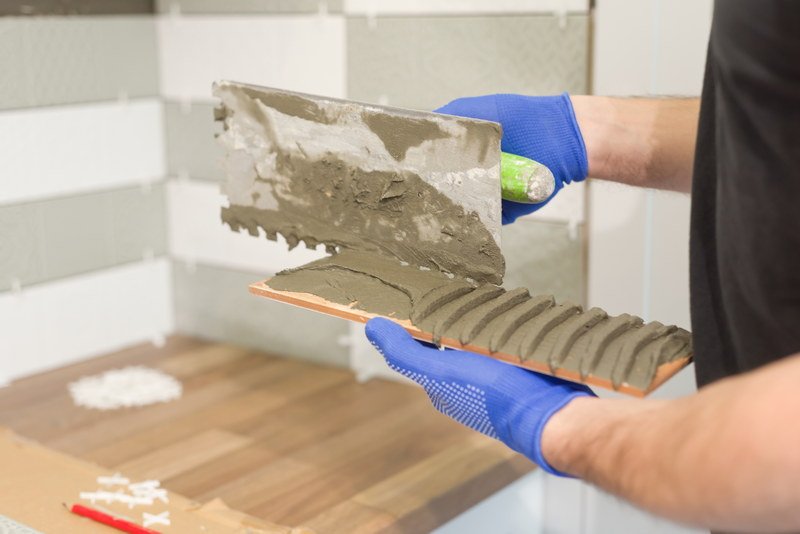
Typical scenario: For fixing ceramic, porcelain, and natural stone tiles on concrete floors, screeds, and existing tile surfaces in interior and exterior settings.
Key specification: Class C2TE S1 as standard; extended open time and deformability for demanding substrates.
Applicable standard: EN 12004
Thermal insulation and weather protection systems for new construction and energy-efficient retrofits.
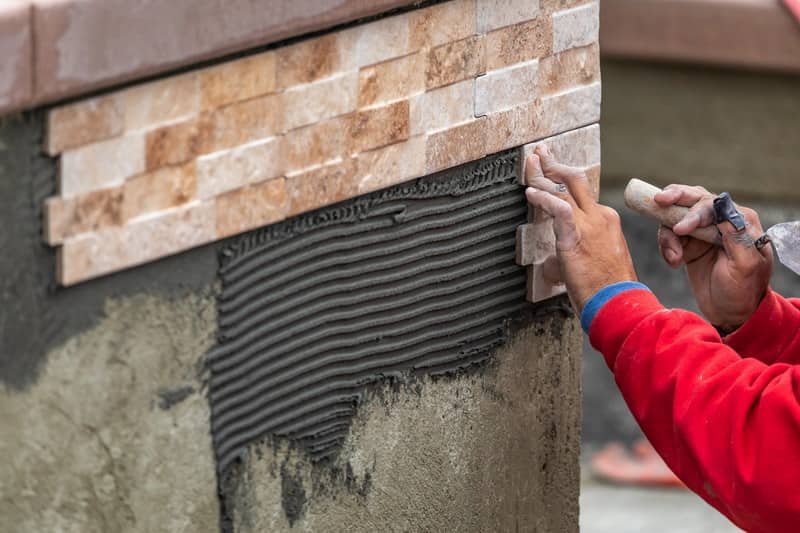
Typical scenario: For external thermal insulation composite systems used on new buildings and existing structures undergoing energy-performance upgrades. Covers base coat, adhesive mortar, and reinforcing compound layers applied over EPS or mineral wool insulation boards.
Key specification: Full system coverage from insulation board adhesion to reinforced base coat and finishing render; compatible with multiple insulation types and regional climate requirements.
Applicable standard: ETAG 004 / EAD 040083
all application scenarios at a glance
Our cellulose ethers and additives are formulated to support compliance with key European standards for construction materials. Below is an overview of common application-specific EN standards relevant to our products.
| Application | Key European Standard | How Our Products Support Compliance |
|---|---|---|
| Wall Putty / Skim Coat | EN 998-1 | Enhances workability, water retention and crack resistance to meet mortar performance requirements |
| Gypsum Applications | EN 13279 | Improves open time, sag resistance and consistency for gypsum-based plasters |
| Cement Render / Plaster | EN 998-1 | Boosts water retention and adhesion, supporting strength and durability criteria |
| Tile Adhesive | EN 12004 | Ensures extended open time, slip resistance and bond strength for C1/C2 classification |
| Self-leveling Compounds | EN 13813 | Controls setting time, flowability and surface finish for floor screeds |
| ETICS / EIFS | ETAG 004 / EAD 040083 | Delivers stable workability and weather resistance for external insulation systems |
| Paint and Coatings | EN 13300 | Improves rheology, water retention and film formation for decorative coatings |