LANDU Technical Guide | Dry Mix Mortar Additives Series
Selecting the right Redispersible Polymer Powder (RDP) can significantly impact the performance of tile adhesives, self-leveling compounds, repair mortars, EIFS systems, and other dry-mix construction materials.
While many RDP products may appear similar in packaging and technical specifications, differences in polymer content, redispersibility, manufacturing quality, and batch consistency can lead to major variations in mortar performance.
For manufacturers and procurement teams, choosing the wrong RDP supplier can result in failed performance tests, increased formulation costs, customer complaints, and costly product requalification.
This guide explains how to evaluate RDP quality, identify supplier risks, and make more informed purchasing decisions.
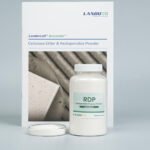
Redispersible Polymer Powder is produced by spray-drying a polymer emulsion, typically based on Vinyl Acetate Ethylene (VAE) technology.
When water is added during mortar mixing, the powder redisperses into polymer particles. As hydration and drying occur, these particles form a flexible polymer film throughout the cementitious matrix.
This polymer film contributes to:
In applications such as tile adhesives classified under EN 12004, polymer performance directly affects tensile adhesion strength, water immersion resistance, and freeze-thaw durability.
A low-quality RDP may initially reduce raw material costs but often increases total formulation costs through higher dosage requirements and inconsistent performance.
One of the most common cost-reduction methods is replacing polymer with inexpensive mineral fillers.
Although the powder may look identical, reduced polymer content often results in:
Ash content testing is frequently used as a quality indicator because excessive ash may suggest excessive filler loading.
The primary function of RDP is to redisperse when mixed with water.
Insufficient protective colloids or poor spray-drying control can cause incomplete redispersion, leading to:
A product that does not redisperse effectively cannot deliver its intended performance benefits.
Two batches of the same product should produce nearly identical performance results.
Poor process control can cause variation in:
Such inconsistencies create formulation challenges and increase quality control risks for mortar manufacturers.
Manufacturers do not always need advanced analytical equipment to perform an initial evaluation. The following tests can provide valuable insights.
A quality RDP should appear as:
Lumps, discoloration, or excessive dust may indicate storage or production issues.
Mix approximately 20 g of RDP into 100 g of water at room temperature. Observe:
A high-quality product should form a stable and uniform milky dispersion with minimal sediment. Heavy sedimentation may indicate excessive filler content or poor redispersibility.
Pour the prepared dispersion onto a clean glass plate and allow it to dry naturally. After drying, evaluate:
A properly formulated VAE-based RDP should form a continuous and flexible polymer film. Cracking, brittleness, or powdering may indicate insufficient polymer performance.
Loss-on-ignition testing provides a more objective measurement of inorganic residue.
While acceptable values vary by product design, unusually high ash content may indicate excessive filler addition. Ash content should always be evaluated together with other technical parameters and supplier specifications.
Different construction applications require different performance standards.
| Application | Typical Standard |
|---|---|
| Tile Adhesives | EN 12004 |
| Rendering Mortars | EN 998 |
| EIFS / ETICS Systems | ETAG 004 |
| Construction Chemicals | REACH Compliance |
Meeting these standards requires consistent polymer quality and stable formulation performance. For tile adhesive manufacturers, maintaining adhesion strength after water immersion and aging cycles is often one of the most critical performance requirements.
Before selecting an RDP supplier, procurement teams should verify the following factors.
Manufacturing Capability
Quality Management
Regulatory Compliance
Technical Support
Supply Reliability
A reliable supplier should be able to provide clear answers to all of these questions.
Many buyers compare products based only on price, appearance, or basic technical data. However, two RDP grades with similar specifications may perform very differently in actual mortar formulations.
Factors that influence real-world performance include:
For this reason, laboratory validation is recommended before changing suppliers or introducing alternative grades into production.
ACCURATE™ 5011N is an example of a VAE-based redispersible polymer powder designed for dry-mix mortar applications.
Typical applications include:
Key performance benefits may include:
Like all construction additives, final performance depends on the complete formulation and application conditions.
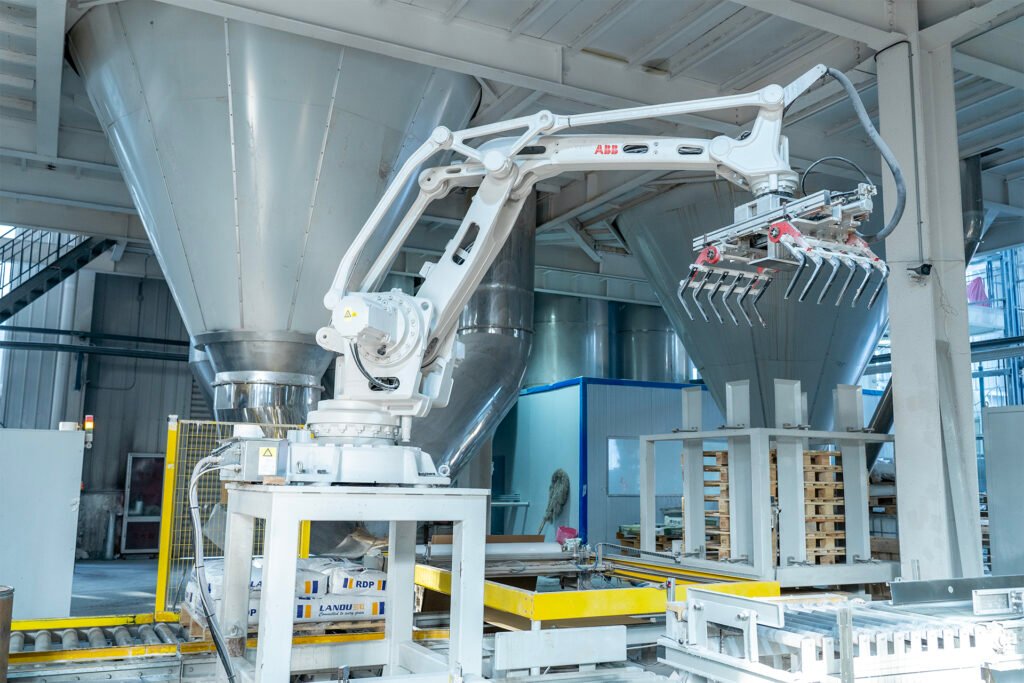
LANDU is a manufacturer specializing in cellulose ethers and redispersible polymer powders for construction applications.
The company's technical team supports customers in:
Through continuous investment in production technology, quality management, and application research, LANDU helps dry-mix mortar manufacturers improve formulation consistency and product performance.
Choosing RDP based solely on price often creates higher long-term costs. Before making a purchasing decision:
High-quality redispersible polymer powder contributes directly to mortar performance, production consistency, and customer satisfaction. A careful evaluation process helps reduce risk and supports long-term product reliability.
Simple evaluation methods include visual inspection, redispersion testing, film formation testing, and ash content analysis. These tests help assess product consistency and polymer performance.
Acceptable ash content varies by formulation and product design. Buyers should compare results against the supplier's official technical specifications rather than relying on a single industry benchmark.
Poor polymer content or inadequate redispersibility can reduce adhesion, flexibility, water resistance, and crack resistance, leading to lower overall mortar performance.
A professional supplier should provide a Technical Data Sheet (TDS), Certificate of Analysis (COA), Safety Data Sheet (SDS), and relevant compliance documentation such as REACH certification when applicable.
Evaluate manufacturing capability, quality management systems, technical support resources, regulatory compliance, and long-term supply stability before making a purchasing decision.
If you are evaluating or switching RDP suppliers, LANDU provides:
👉 Request technical support or sample evaluation from LANDU team