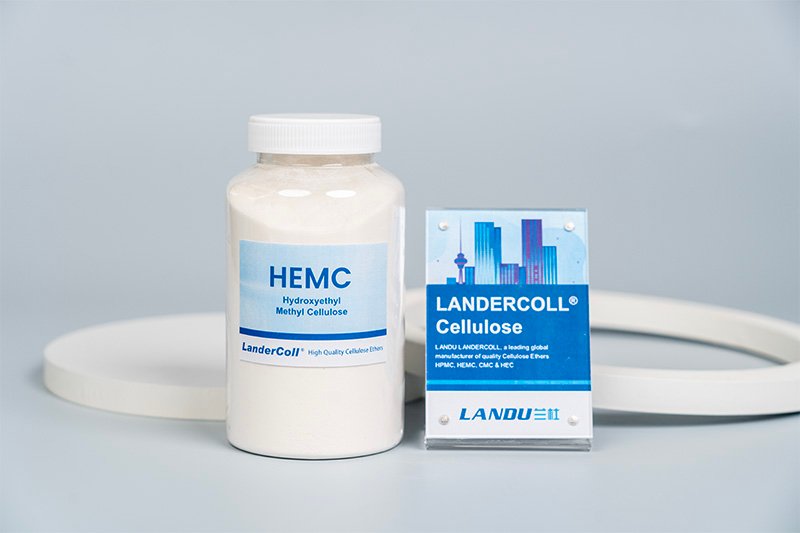
3 Key HEMC Applications in the German Construction Market
1. Gypsum-based plaster and gypsum mortar
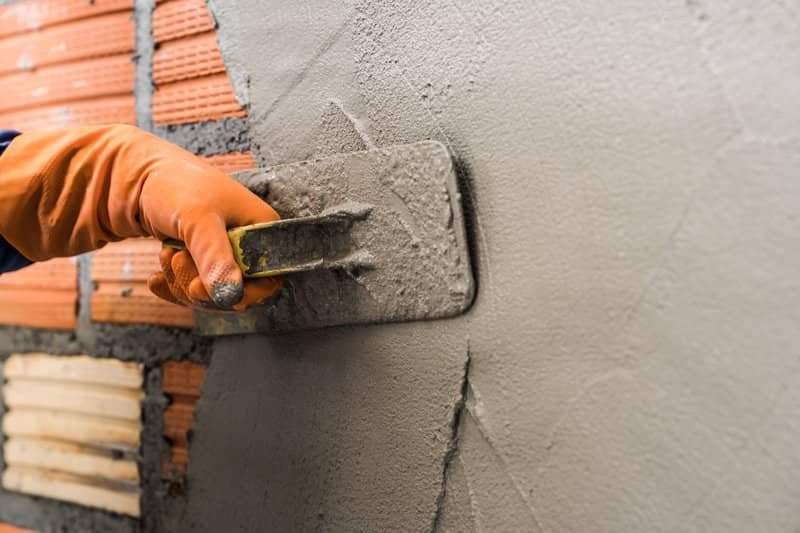
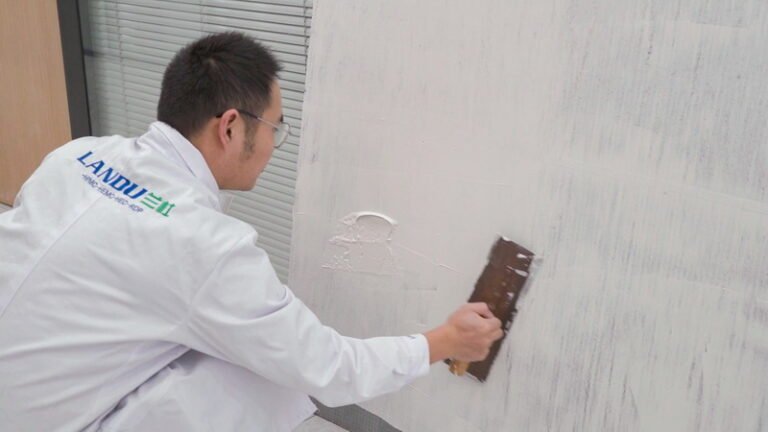
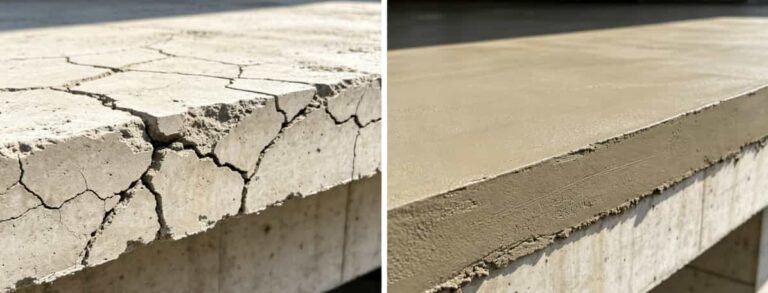
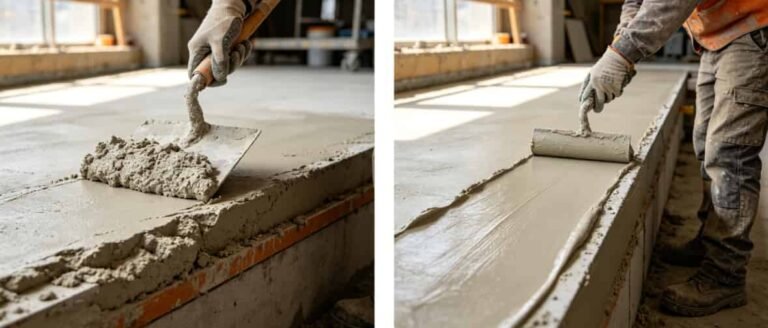
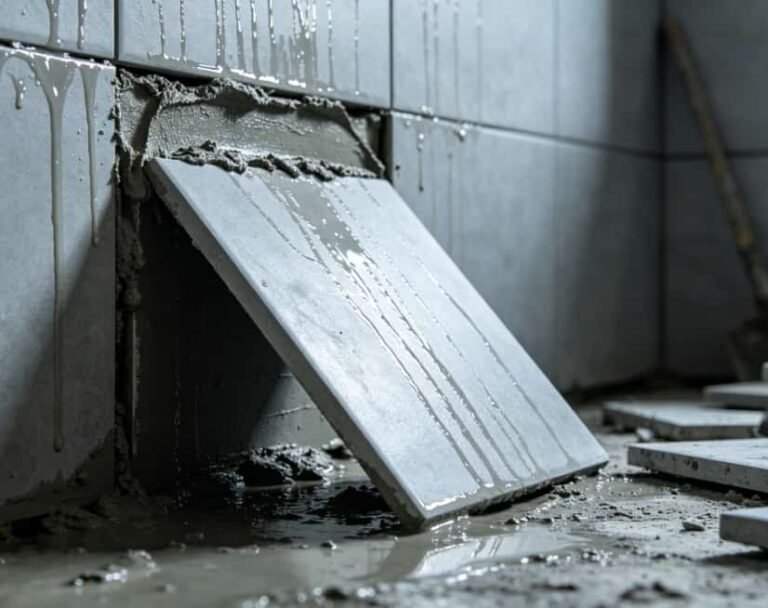
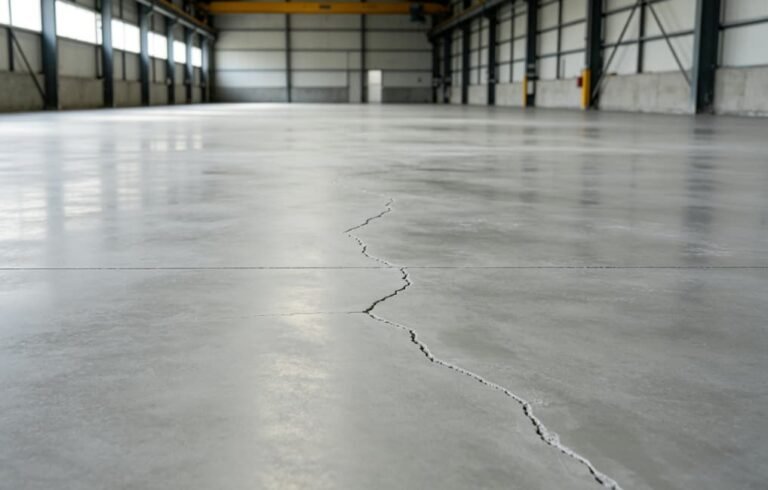
This is the largest consumption field for HEMC in Germany. The material controls natural drying speed to avoid surface cracking, while maintaining workability for machine application. Poor HEMC selection leads to hollowing or edge delamination — both unacceptable in German acceptance inspections.
2. External wall insulation and old building renovation
German weather is not extreme, but wind and repeated moisture cycles expose weak formulations within two years. Correct HEMC selection stabilizes the mortar matrix over multiple seasons. High-viscosity HEMC improves anti-sagging performance where it matters most.
3. Customized dry mortar for commercial buildings
Standard commercial projects demand consistent finished product quality across large batches. HEMC helps unify water retention and workability, reducing on-site adjustments and rework.
Need an expert?
Provide 7*24 hour service
Our technical parameters match the production standards of mid-to-large German manufacturers. We achieve this by optimizing the degree of substitution and solubility profiles to account for seasonal variations and local mineral binder characteristics.
HEMC Grades for German Projects – Technical Matching
Not every HEMC grade works for every application. We keep the selection focused.
Our construction-grade HEMC for the German market covers viscosity ranges from 20,000 mPa·s to 100,000 mPa·s. Fineness is controlled, and particle distribution is uniform — not by accident, but because we run routine production checks.
Key performance indicators:
- Water retention: consistently high under standard mixing conditions (full test data available upon request)
- Viscosity range: 20k–100k mPa·s for construction applications
- Fineness: controlled, with uniform particle distribution
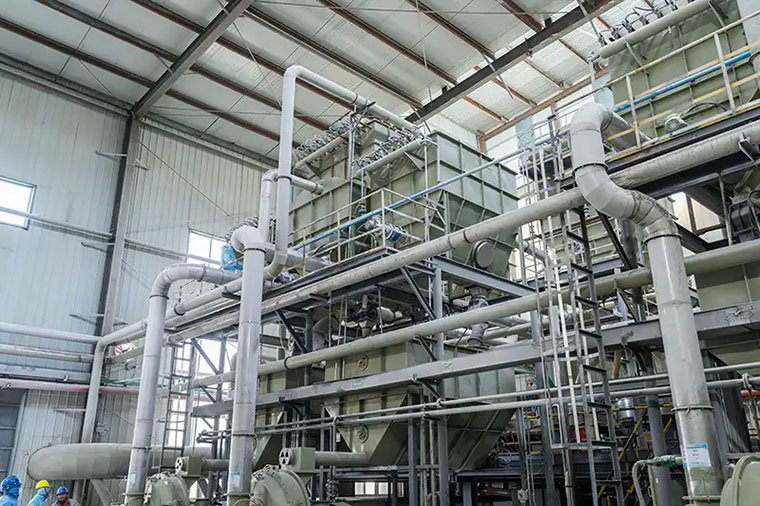
We operate fully enclosed automated production workshops with an independent quality inspection lab. Every batch undergoes fixed routine testing before delivery:
- Viscosity detection
- Moisture content analysis
- Dissolution performance inspection
For German buyers, the relevant question is not “can you make HEMC”. It is “do you control batch variation”. Our production records are kept per order. Real-time workshop monitoring and finished product sampling keep batch differences within a reasonable, traceable range.
For complete specifications — including gel temperature, substitution degree, and full TDS — request the German-market package directly.
Need an expert?
Provide 7*24 hour service
Production & In-House Quality Control
We are a direct manufacturer, not a trader.
The HEMC production line is self-operated: raw material sourcing, reaction synthesis, drying, and crushing all happen in our own factory.
Batch traceability is built into the process.
Each order has complete production records. This is not marketing language. It is how we answer “what went wrong” questions, which rarely come, because the records show consistency.
German importers and formulators do not need heroic promises. They need long-term stability. We supply that by controlling what we actually can control: our own production floor and lab.
EU Compliance & Full Documentation
All HEMC supplied to Europe complies with REACH regulation and basic EU building material safety requirements.
We provide traceable documents for every shipment:
- COA batch analysis report
- Raw material safety data sheet (MSDS)
- Factory quality management qualification files
These are not “available upon request” in a vague sense. They are standard attachments for German customers. Complete certification materials help your team finish industrial inspection and customs declaration efficiently — no delays, no second-guessing.
Need an expert?
Provide 7*24 hour service
Why LANDU for German Cooperation?
Long-term European export service
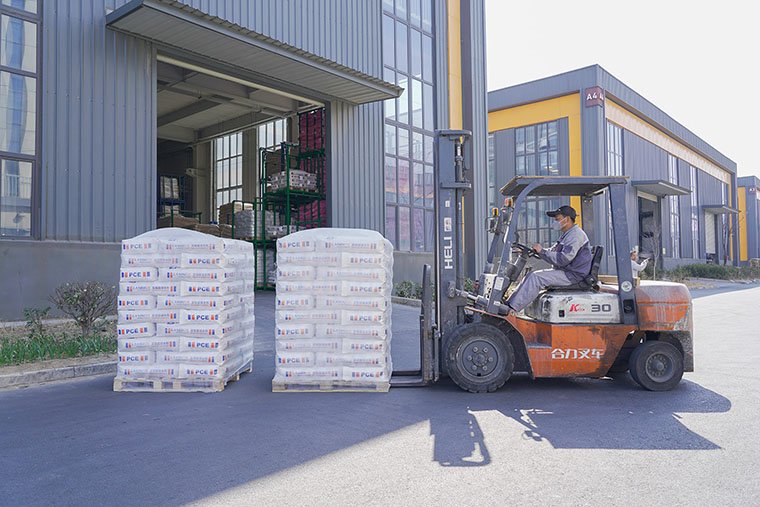
Our team understands German market packaging standards (palletizing, moisture barrier bags, labeling requirements), transportation lead times, and formula iteration cycles.
Low-risk entry
We support free laboratory sample testing, small-batch trial orders, and large-scale bulk container delivery. The technical team provides formula adjustment suggestions based on actual construction environments — not generic advice, but specific to your local raw materials.
What we do not do
We do not oversell. We do not promise “perfect for everything”. We tell you which grade works, which does not, and why.
Why LANDU for German Cooperation?
LANDU: Your Stable HEMC Supplier for the German Market
We are not a spot supplier or a last-resort factory. LANDU offers consistent, high-quality HEMC tailored to your production needs—whether you are a gypsum processor, dry mortar producer, or regional building material distributor.
As Germany’s green building and high-quality construction trends drive demand for functional additives, we focus on enhancing the stability and precision of our cellulose ether products. Our goal is simple: to provide cost-effective, fully certified HEMC raw materials that meet the highest standards.
Already sourcing HEMC through European distributors? We’re not asking you to switch right away. Try a sample batch, compare the data, and then decide if a direct factory relationship makes sense for your margins and supply security.
Frequently Asked Questions (FAQ)
Top 5 FAQs: Sourcing HEMC(Hydroxyethyl Methyl Cellulose) from China in 2026