Grouting Mortar Additives for Cement-Based Grout Systems | LANDU

Improve grout flow stability, reduce shrinkage cracking, and optimize cementitious grout performance with compatible additive systems.

Common Performance Challenges in Grouting Mortars

Cement-based grouting mortars are expected to flow smoothly, fill completely, and remain stable after curing.
In practice, many grout systems still suffer from bleeding, shrinkage cracks, pinholes, poor pumpability, or inconsistent flow retention during application.

These problems are rarely caused by cement alone.
In most formulations, grout performance depends heavily on additive balance — especially water retention control, rheology stability, air management, and polymer modification.

LANDU supplies cellulose ethers, redispersible polymer powders, starch ethers, and specialty additives for cementitious grouting mortar formulations used in construction, repair, anchoring, and industrial installation systems.

LANDU: Your Trusted Grouting Mortar Additives Manufacturer

Some grout systems initially show good flowability but quickly become difficult to pump or place on site.

Additive TypeMain BenefitsPopular Products
Polycarboxylate Superplasticizer (PCE)High water reduction, improved workability, reduced shrinkageNOVASTAR 530P, 540P
Powder DefoamerControls foam, improves workability, enhances bondingNOVASTAR P805
HPMCWater retention, consistency, prevents premature dryingLANDERCOLL K40, K75, K40HT
HEMCThickening, binding, stability improvementLANDERCOLL EM40, EM80
Redispersible Polymer Powder (RDP)Flexibility, adhesion, durability, crack resistanceACCURATE 4012N, 5011N
 

Common Functions of Grouting Mortar Additives

Challenges in Grouting Mortars

Rapid Flow Loss During Application | LANDU

Rapid Flow Loss During Application

Some grout systems initially show good flowability but quickly become difficult to pump or place on site.

This usually relates to:

  • unstable water retention
  • poor rheology balance
  • excessive water demand
  • incompatible additive combinations

LANDU cellulose ether systems help stabilize moisture distribution and improve flow consistency during mixing, pumping, and placement.

Shrinkage Cracks After Curing | LANDU

Shrinkage Cracks After Curing

Shrinkage stress often appears after hydration begins, particularly in repair grouts and non-shrink mortar systems exposed to rapid drying conditions.

LANDU polymer-modified additive systems help:

  • improve flexibility
  • reduce brittle cracking risks
  • improve internal cohesion
  • support more stable curing behavior
Pinholes and Air Entrapment | LANDU

Pinholes and Air Entrapment

Uncontrolled entrained air can reduce compressive strength and create visible surface defects.

In pumpable or high-fluidity grout systems, air management becomes especially important.

LANDU powder defoamers help reduce:

  • trapped air bubbles
  • pinholes
  • density inconsistency
  • unstable surface finishing

Recommended Additive Systems for Different Grouting Applications

Gypsum ApplicationMain Performance FocusTypical Additive Combination
Gypsum PlasterWater retention, open time, smooth applicationCellulose ether + retarder
Joint CompoundSmooth finishing, crack resistance, workability consistencyCellulose ether + starch ether + retarder
Gypsum Skim CoatSurface smoothness and anti-sag behaviorCellulose ether + starch ether
Gypsum Self-LevelingFlowability and setting stabilityRetarder + polymer additive
Machine Spray GypsumPumpability and application stabilityCellulose ether + rheology modification system
Tile Joint Grouts | LANDU

Tile Joint Grouts

Tile grout formulations require balanced water retention, anti-cracking performance, and smooth application behavior.

Typical additive focus:

  • HPMC / HEMC for workability and open time
  • RDP for flexibility and adhesion
  • Defoamer for cleaner surface appearance

LANDU additive combinations help improve joint compactness while reducing shrinkage and uneven curing.

Non-Shrink Grouting Mortars | LANDU

Non-Shrink Grouting Mortars

Non-shrink grouts are widely used in structural support, equipment installation, and precision filling applications.

Key formulation concerns include:

  • volume stability
  • controlled hydration
  • crack resistance
  • compressive strength development

LANDU polymer and rheology systems help stabilize grout structure during curing while supporting more consistent placement performance.

Pumpable Cementitious Grouts | LANDU

Pumpable Cementitious Grouts

Pumpable grout systems require stable viscosity profiles and controlled air content.

Poor additive compatibility may cause:

  • pipeline blockage
  • flow instability
  • segregation during pumping
  • inconsistent discharge behavior

LANDU cellulose ether and defoamer systems are designed to improve pumping consistency while maintaining workable flow retention.
Why Choose LANDU for Grouting Mortar Additives

Beyond supplying additives, we help customers optimize formulations and improve real construction performance.

We Offer:

Try our Grouting Mortar Additives chemical products risk-free! 
LANDU Company

With LANDU, you get accurate products, reliable quality, and outstanding service. Simply send us a message, and we’ll take care of everything!
Partner with LANDU - Your Professional Grouting Mortar Additives Manufacturer

Wall Putty / Skim Coat

Expert Formulation Support

Our team helps you optimize your Grouting Mortar Additives for specific applications. We analyze your current product and suggest improvements. Furthermore, we provide custom blends to meet your unique requirements. As a result, you get a formula that outperforms competitors while meeting your cost targets.
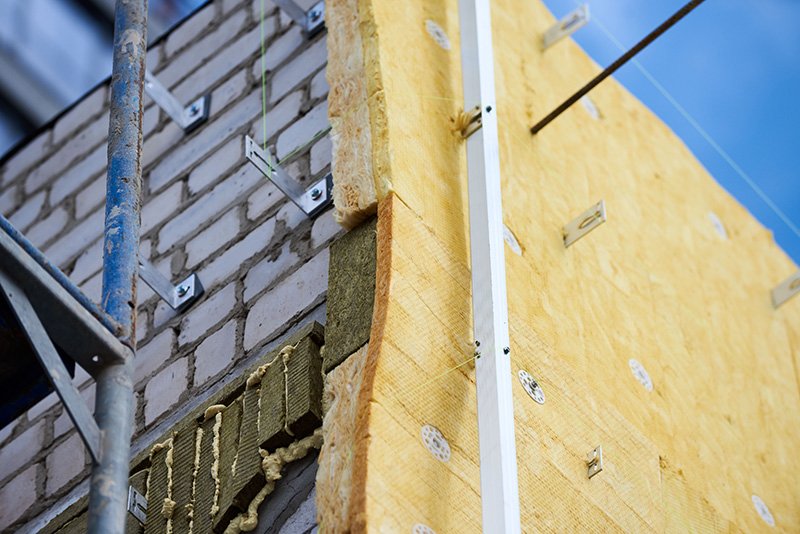
LANDU-The-Structure-of-an-EIFS-System

Quality and Innovation Commitment

LANDU holds ISO 9001 and EU REACH certification. Our products are exported to over 60 countries with extensive experience working with multinational corporations.
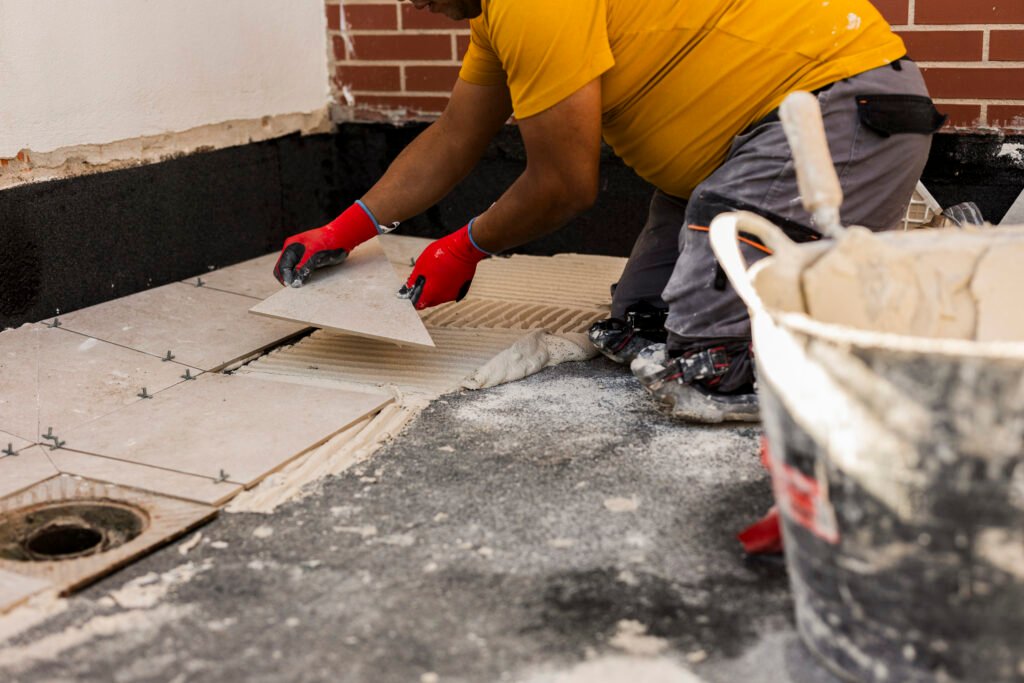
midsection, hispanic, man, laying, tile, floor, new house, adults only, renovation, bathroom, aluminum, apartment, adult, blue-collar worker, building contractor, bangkok, building - activity, architecture, repairman, indoor, installing, horizontal, ceramic, working, home improvement, construction worker, occupation, house, person, one person, color image, industry, male, diy, cement, tiled floor, repairing, hand, new, concrete, construction site, craftsperson, professional occupation, work tool, material, glue, trowel, residential building, human body part, decoration

Large Volume Order Capability

With three major factories and 75,000 tons of annual production capacity, we can quickly deliver large orders of Redispersible Polymer Powder.

FAQs - Grouting Mortar Additives

Everything you need to know about LANDU's Grouting Mortar Additives production and quality control

1. Why does cement grout crack after curing?

Shrinkage stress, rapid moisture loss, and poor internal flexibility are common causes of grout cracking. In cementitious grout systems, balanced water retention and polymer modification help reduce cracking risks during hydration and curing.

2. What causes bleeding in high-flow grouting mortars?

Bleeding usually occurs when the grout system cannot properly stabilize water and fine particles. Poor rheology balance, low water retention, or excessive free water may lead to segregation and surface laitance.

3. How can grout flowability be improved without increasing water?

Flowability is typically improved through rheology optimization rather than simply adding more water. Proper cellulose ether selection, particle grading, and air control all influence grout flow behavior.

4. What does HPMC do in cement-based grout systems?

HPMC helps improve water retention, flow consistency, suspension stability, and workable time in cementitious grouting mortars. It also helps reduce bleeding and premature moisture loss during curing.

5. Why does grout lose flowability too quickly during pumping?

Rapid flow loss may result from unstable additive interaction, excessive water absorption, or poor viscosity balance inside the formulation. Pumpable grout systems usually require controlled rheology and stable air management.

6. Are defoamers necessary in grouting mortar formulations?

In many high-fluidity grout systems, yes. Excessive entrained air may reduce density, compressive strength, and surface quality. Powder defoamers help improve internal compactness and pumping stability.

7. What additives are commonly used in non-shrink grout?

Non-shrink grout formulations often include cellulose ethers, polymer powders, defoamers, expansion systems, and rheology modifiers to balance flowability, curing stability, and crack resistance.

8. How do additives affect grout pumpability?

Pumpability depends on viscosity stability, lubrication behavior, and air control during transport. Compatible additive systems help reduce pipeline blockage and maintain smoother grout placement.

9. How can manufacturers improve grout consistency between batches?

Consistent raw materials, controlled additive quality, and stable formulation design are critical for reducing batch variation in dry mix grout production. Many dry mix manufacturers work with LANDU additive systems to maintain stable rheology and curing consistency across production batches.

10. Why is additive compatibility important in gypsum applications?

Gypsum application performance depends on the interaction between cellulose ether, retarders, starch ether, polymers, and other formulation components. LANDU focuses on compatibility between additives inside the formulation system rather than isolated raw material performance alone.