Custom HEC solutions for latex paints, decorative coatings & industrial finishes
High-purity cellulose ether grade with excellent water retention & rheology control
Consistent quality ensured by automated manufacturing & strict QC systems
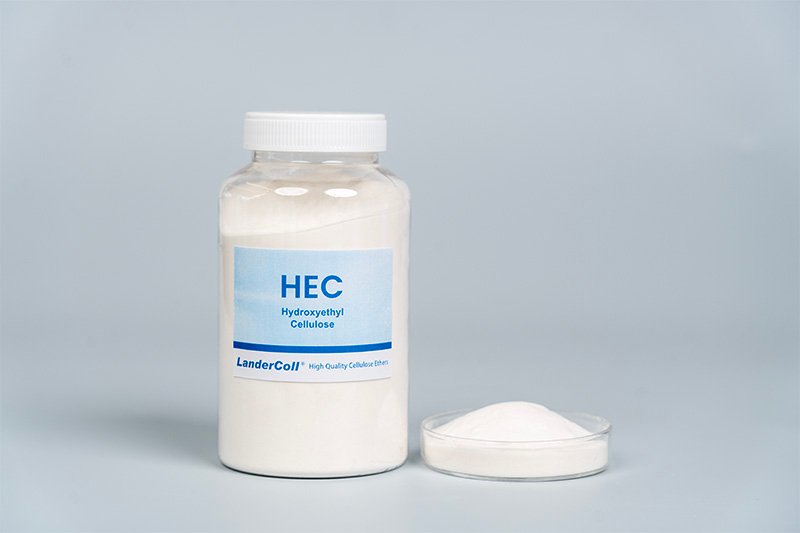
Hydroxyethyl Cellulose (HEC) is a highly substituted, nonionic, water-soluble polymer and a semi-synthetic high molecular surfactant. It offers multiple benefits, including thickening, water retention, film formation, suspension, dispersion, emulsification, and serving as a protective colloid.
Excellent Thickening & Water Retention
Suspension & Dispersion
Improved Color Acceptance
Excellent Rheological Property
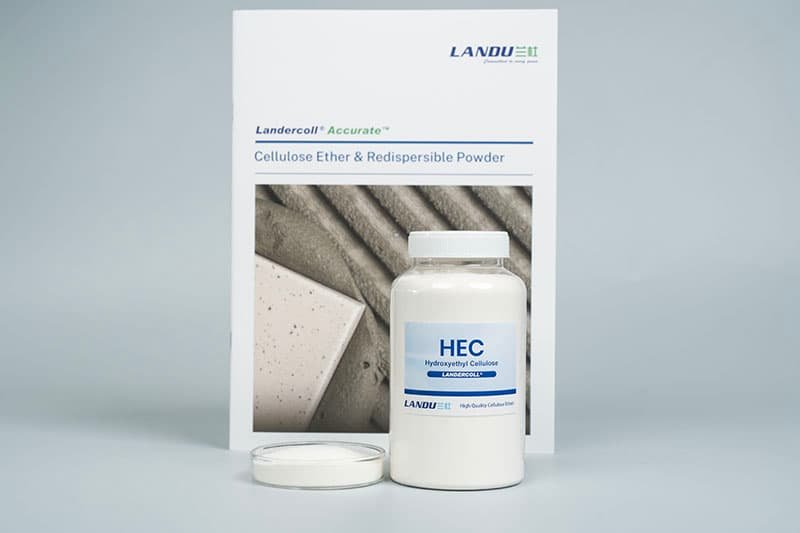
HEC is a surface-crosslinked powder, which results in delayed solubility. In cold water with a neutral PH or PH below 7, it disperses evenly into fine particle, then slowly hydrating into a transparent solution with varying viscosities. The dissolution process can be accelerated by raising the water temperature or adding a small amount of alkaline substances (e.g, AMP95) to adjust the PH to 7.0-8.5.
As a leading manufacturer of HEC for Coatings in China, our HEC for Coatings solutions are trusted by customers in over 60 countries worldwide.
Hydroxyethyl Cellulose (HEC) is a non-ionic, water-soluble cellulose ether widely used as a rheology modifier in water-based coating systems.
It is commonly applied in:
HEC is not only a thickener—it is a flow-structure regulator for multi-phase coating systems.
Benefits:
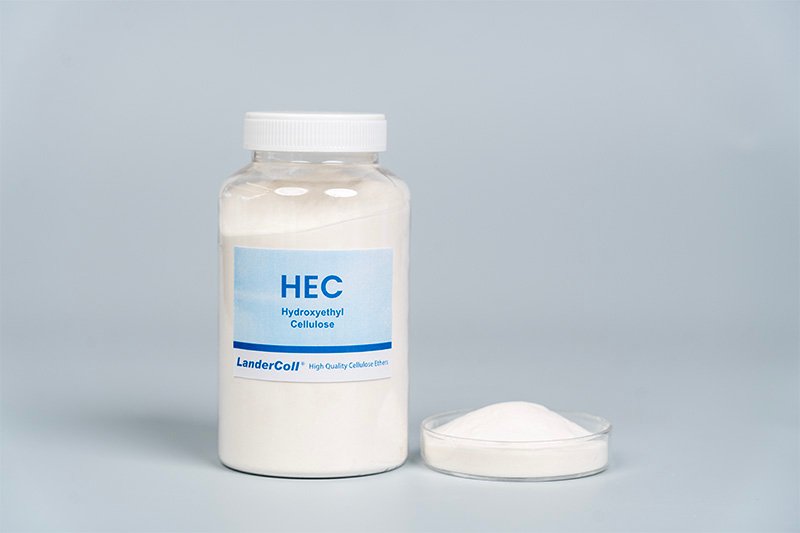

| Parameter | Value |
|---|---|
| Appearance | White or milky white, free flowing powder |
| Bulk Density (g/L) | 300-550 |
| Softening Point (℃) | 135-155 |
| Decomposition Temperature (℃) | 240-280 |
| MS | 2.0-2.5 |
| Surface Tension (N/M) | 0.06-0.065 |
| Refractive Index (20℃) | 1.336 |
| Specific Gravity (20℃) | 1.003 |
| Freezing Point (℃) | 0 |
| Grade | Viscosity (Brookfield 2%) | Viscosity (Brookfield 1%) | Performance |
|---|---|---|---|
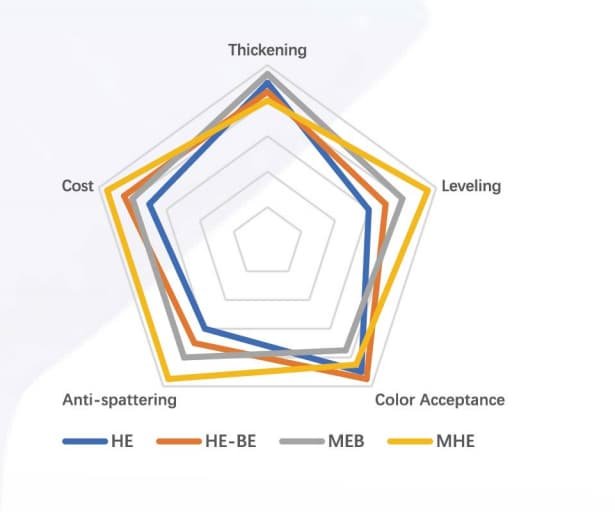
| HE15M | — | 800-1,500 | Excellent thickening effect with high cost efficiency |
| HE30M | — | 1,500-2,500 | |
| HE60M | — | 2,500-3,500 | |
| HE100M | — | 3,500-5,000 | |
| HE150M | — | 4,500-6,000 | |
| HE200M | — | 6,000-8,000 | |
| HEC LR | 7-15 | — | Dispersant for emulsion polymerization; Dispersant for color paste/colorant |
| HEC ER | 80-150 | — | |
| HEC GR | 250-400 | — |
| Grade | Viscosity (Brookfield 2%) | Viscosity (Brookfield 1%) | Performance |
|---|---|---|---|
| HE2MBE | — | 1,500-2,500 | Excellent leveling performance and excellent dispersion of color paste/colorant |
| HE5MBE | — | 4,500-6,500 | |
| HE15MBE | — | 800-1,500 | High degree of substitution; Excellent biological stability |
| HE30MBE | — | 1,500-2,500 | |
| HE60MBE | — | 2,500-3,500 | |
| HE80MBE | — | 3,000-4,000 | |
| HE100MBE | — | 3,500-5,000 |
| Grade | Viscosity (Brookfield 2%) | Viscosity (Brookfield 1%) | Performance |
|---|---|---|---|
| MEB4M | 3,000-5,000 | — | Excellent dispersibility; Excellent suspension stability |
| MEB15M | — | 800-1,500 | |
| MEB30M | — | 1,500-2,500 | |
| MEB60M | — | 2,500-3,500 | Enhanced overall performance; Excellent scrubbing resistance |
| MEB80M | — | 3,000-4,000 | |
| MEB100M | — | 3,500-5,000 | |
| MEB6000 | — | 5,000-7,000 | Excellent thickening performance |
| MEB7000 | — | 6,000-8,000 | |
| MEB8000 | — | 7,000-9,000 | |
| MEB10000 | — | 9,000-12,000 |
| Grade | Viscosity (Brookfield 2%) | Viscosity (Brookfield 1%) | Performance |
|---|---|---|---|
| MHE300 | — | 200-500 | Excellent leveling, anti-spattering and anti-sag |
| MHE500 | — | 350-750 | |
| MHE900 | — | 600-1,200 | |
| MHE2000 | — | 1,500-2,500 | |
| MHE4PX | 4,000 | — | Suitable for coatings and water-based paste putty, offering enhanced workability and anti-sag performance |
| MHE10PX | 10,000 | — | |
| MHE20PX | 21,000 | 800-1,500 | |
| MHE30PX | — | 1,500-2,500 | |
| MHE60PX / MHE80PX | — | 2,500-4,000 | |
| MHE100PX | — | 3,500-5,000 |

Often caused by weak polymer network structure.
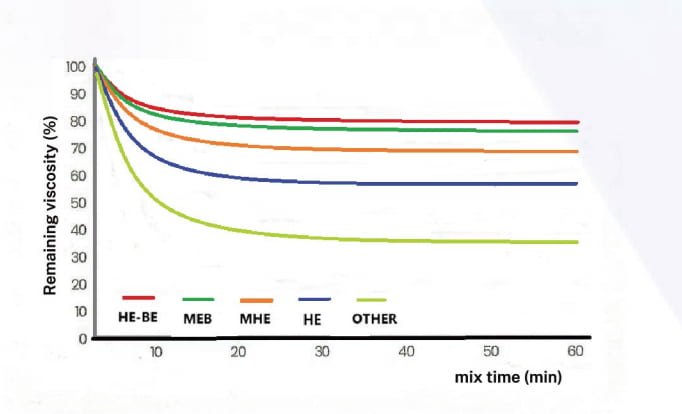
HEC improves long-term rheology stability.

Caused by insufficient suspension force in the liquid phase.
HEC increases structural viscosity and reduces sedimentation.

Often linked to incorrect rheology balance.
Proper HEC grade selection improves flow uniformity.

Caused by unbalanced shear response.
HEC optimizes low-shear and high-shear balance.
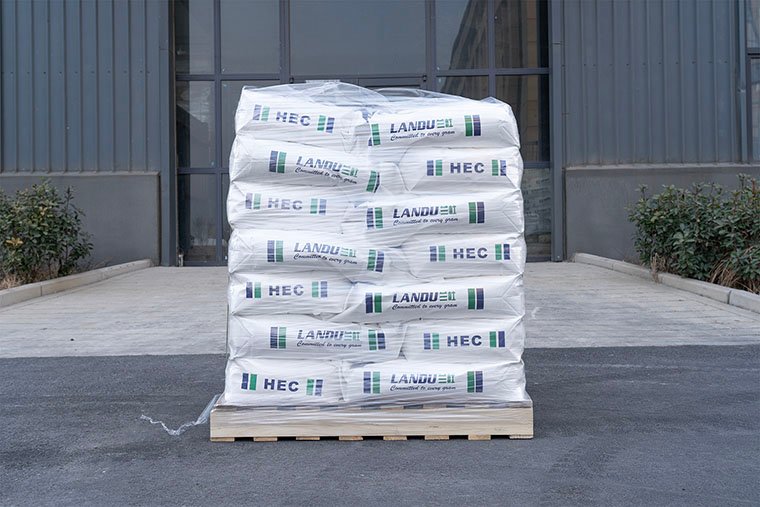
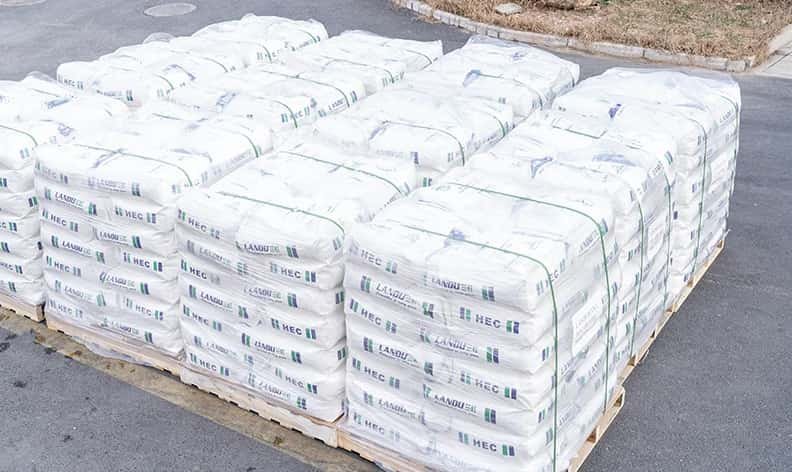
With three factories and an advanced HEC for Coatings, we guarantee consistent quality for large orders. We have distributors in many countries including Poland, Greece, and Switzerland.
If you’re not satisfied with the sample, our HEC team will refine the product to your exact specification – completely free of charge!
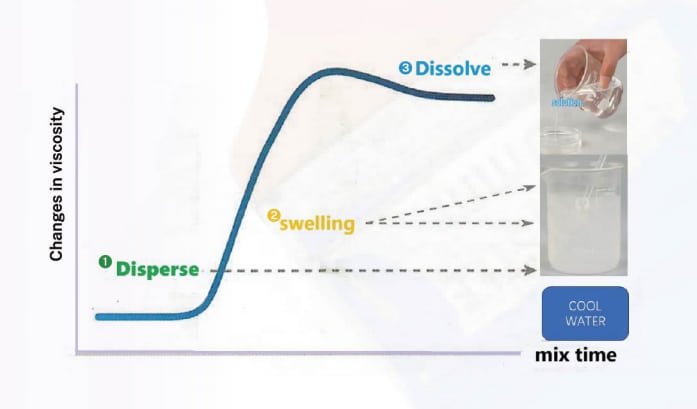
The hydration time of HEC decreases as thetemperature of the water increases. Raisingthe water temperature can facilitate therapid hydration of HEC products, resultingin the formation of a transparent colloidalsolution.
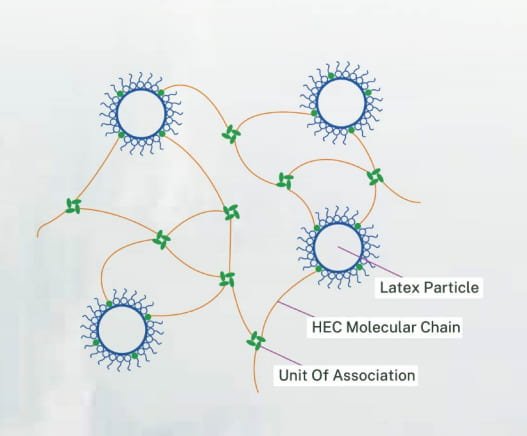
The Associative type is a hydrophobically modifiedassociative HEC. It is a polymer colloidal solutionwith a dual thickening effect. Like ordinary HECproducts, it achieves the thickening of thewater-based latex system through conventionalhydrogen bonding and molecular entanglement. Atthe same time, it also associates with the latexparticles in the coating to produce a dual thickeningeffect, which can provide good construction perfor-mance and excellent anti-spattering.
In practical coating formulations, HEC performance is consistently evaluated in real production environments rather than laboratory conditions alone.

Formulators report that HEC provides stable viscosity during storage and reduces pigment settling in long-term warehouse conditions.
It also improves roller application smoothness, especially in mid-viscosity emulsion paints.

In exterior systems exposed to temperature fluctuations, HEC helps maintain consistent rheology and prevents sagging on vertical substrates during application.
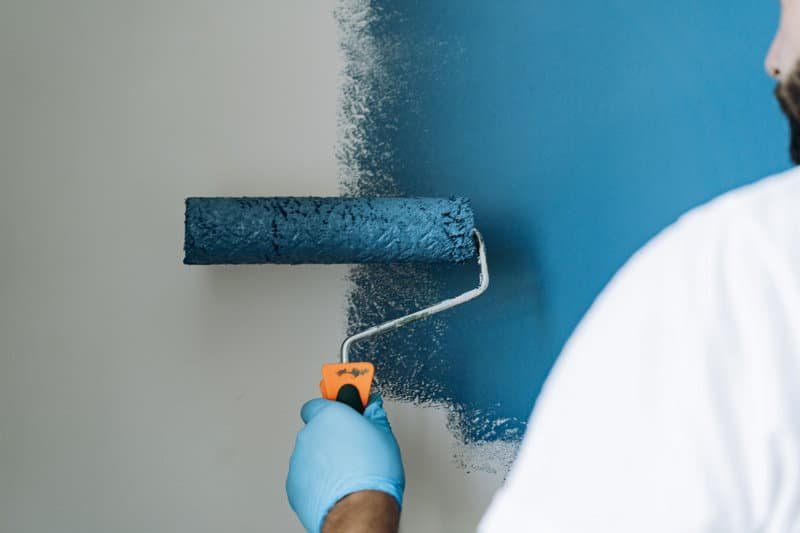
In high pigment volume concentration systems, HEC contributes to structural stability of the pigment network, reducing separation and improving hiding consistency.
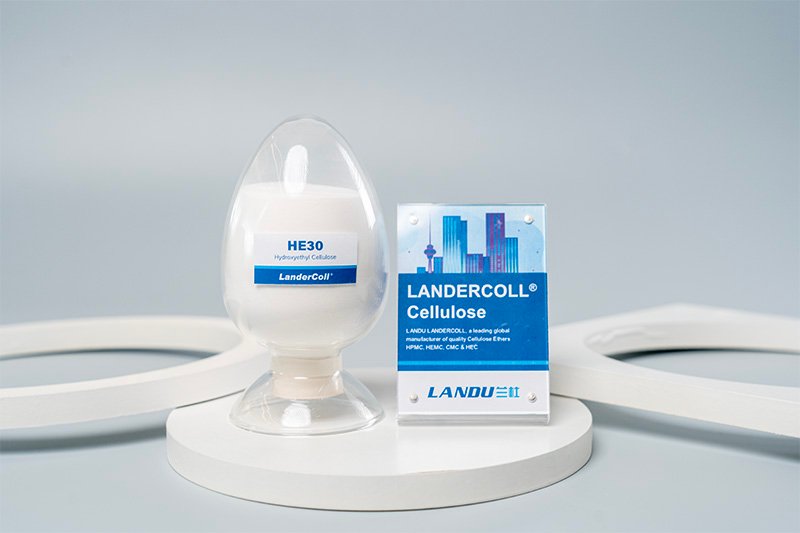
With LANDU, you get accurate products, reliable quality, and outstanding service. Simply send us a message, and we’ll take care of everything!
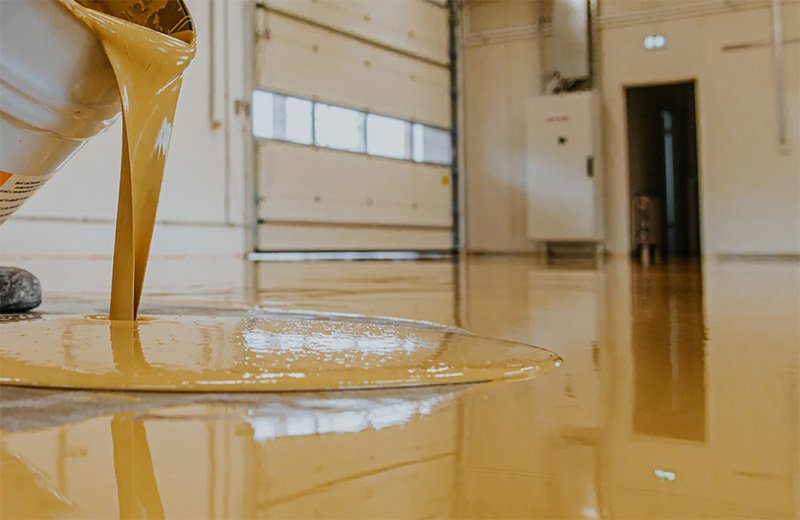
Our HEC powder ensures smooth, even spreading while preventing segregation and bleeding. It enhances film flexibility to accommodate substrate movement, and improves overall durability against foot traffic and impact.