Gypsum Applications | Additives for Gypsum Plaster, Joint Compound | LANDU

Additive systems for gypsum plaster, joint compound, skim coat, and other gypsum-based formulations.

Common Challenges in Gypsum Application Formulations

Gypsum-based materials may perform consistently in laboratory testing but still develop application instability during large-scale production and on-site construction.

Typical Formulation Problems:

  • Rapid workability loss during application
  • Unstable setting time across different batches
  • Insufficient water retention in dry or hot conditions
  • Difficult troweling and reduced surface smoothness
  • Surface cracking after drying
  • Inconsistent performance caused by gypsum raw material variation

Why These Problems Occur

In many cases, these issues are not caused by a single raw material defect, but by compatibility imbalance between cellulose ether, retarders, starch ether, and polymer additives. Even small viscosity deviations or retarder incompatibility can affect application behavior and final surface quality.

LANDU develops additive systems based on real formulation and processing conditions, helping manufacturers achieve more stable gypsum application performance across different production environments.

LANDU: Your Trusted Gypsum Application Manufacturer

Gypsum-based mortars require consistent workability, controlled setting and crack-resistant performanceto achieve durable, high-quality surfaces. LANDU additives are formulated to enhance rheology, adhesion,and surface finish.

What Are Gypsum Application Additives?

Gypsum application additives are formulation components used to improve processing stability, application performance, and final surface quality in gypsum-based materials.

Different gypsum systems require different additive combinations depending on working time, construction method, surface finish, and production conditions.

Typical Additives Used in Gypsum Formulations

Additive TypeMain Function
Cellulose Ether (HPMC / HEMC)Water retention and rheology control
RetarderSetting time adjustment
Starch EtherAnti-sag performance and workability
Redispersible Polymer Powder (RDP)Adhesion and crack resistance
DefoamerReduce air entrainment and surface pinholes

Common Functions of Gypsum Additives

Gypsum Application Selection Guide

CE, RDP and other additives products support the rheology and workability of the fullrange of flooring formulations improving ease of on-site application and ensuring excep-tionally smooth, defect-free surfaces.
Product Series Product Name Grade/Type Typical Application Performance
Landercoll® Cellulose Ether HPMC K40 Machine Spray Plaster Good water retention;
Good overall performance;
Good workability;
Wide range of applications
MHEC EM40
HPMC K100 Hand Apply Plaster
Gypsum Putty
MHEC EM100
HPMC K150
MHEC EM150
Landercoll® Cellulose Ether (G Series) HPMC K40G Machine Spray Plaster High water retention;
extended open time;
prolonged working time;
excellent workability
MHEC EM40G
HPMC K100G Hand Apply Plaster
Gypsum Putty
MHEC EM100G
HPMC K150G
MHEC EM150G
Accurate™ Redispersible Polymer Powder RDP 5011N / 7118E Type: Rigid
RDP 4025N / 7620E Type: Semi-flexible
RDP 5045N / 9055E Type: Flexible
Novastar™ Other Additives Gypsum Retarder P100 / P200 / P300 / P400
Starch Ether HPS

Key Additives for Self-Leveling Compounds

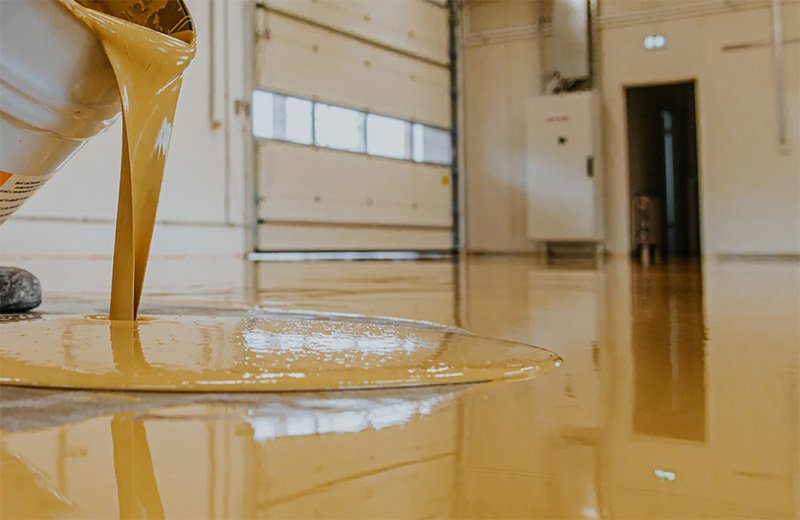
HPMC, PCE superplasticizers and redispersible polymer powders are widely used in cement-based self-leveling systems to improve application stability and overall flooring performance.
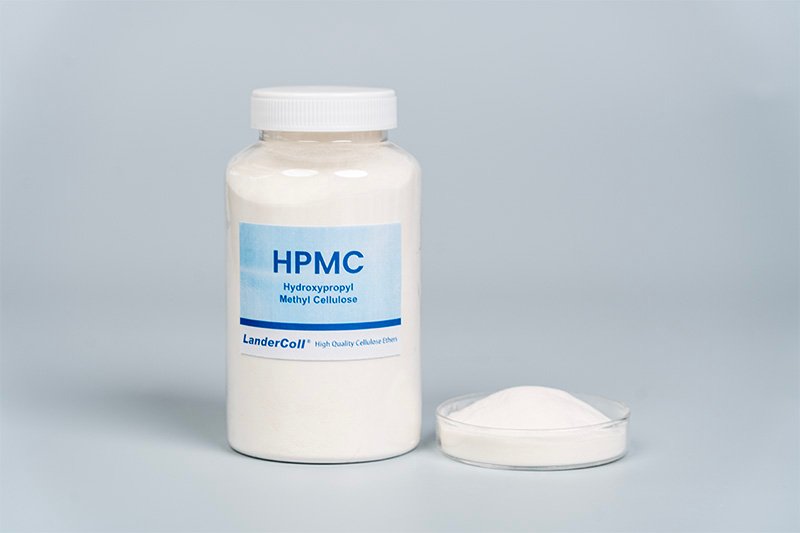
LANDU-HPMC-Hydroxypropyl-Methyl-Cellulose-chemical

HPMC (Hydroxypropyl Methyl Cellulose) and MHEC (Hydroxyethyl Methyl Cellulose) are water-keeping helpers. They:

  • Keep water in the mix longer
  • Make gypsum paste smoother and easier to spread
  • Stop the gypsum from drying too quickly
  • Help gypsum stick better to walls

For example, adding just 0.2% HPMC to your gypsum mix can extend working time from 30 minutes to 60 minutes. This gives you plenty of time to get a smooth finish.
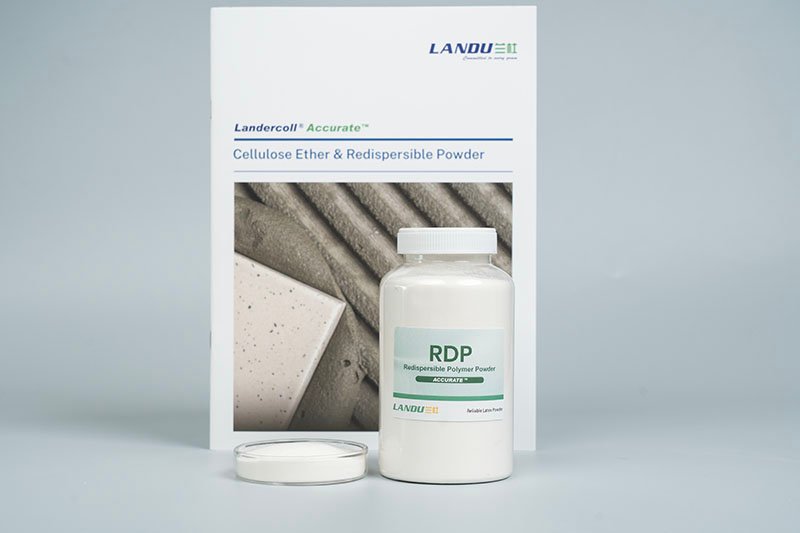
Redispersible Polymer Powder | China RDP Powder | LANDU

RDP is like adding tiny rubber bands to your gypsum. These additives:

  • Make gypsum more flexible so it doesn’t crack
  • Improve bonding strength by up to 40%
  • Create a smoother finish
  • Help gypsum resist impacts better

Many people find that RDP makes their gypsum board much less likely to crack when nailed or screwed.
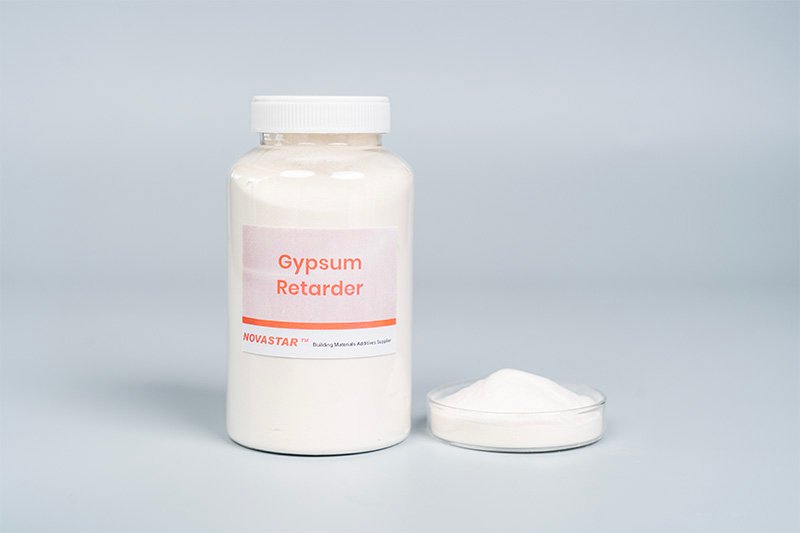
LANDU-Gypsum-retarder

A gypsum retarder is like a “slow down” button for setting time. These additives:

  • Give you more time to work with the gypsum
  • Help with larger projects where you need extra working time
  • Allow better smoothing and finishing
  • Reduce waste from premature hardening

With a good gypsum retarder, you can mix larger batches without worrying about the material hardening before you can use it all.

Solving Common Problems in Self-Leveling Compounds

Gypsum ApplicationMain Performance FocusTypical Additive Combination
Gypsum PlasterWater retention, open time, smooth applicationCellulose ether + retarder
Joint CompoundSmooth finishing, crack resistance, workability consistencyCellulose ether + starch ether + retarder
Gypsum Skim CoatSurface smoothness and anti-sag behaviorCellulose ether + starch ether
Gypsum Self-LevelingFlowability and setting stabilityRetarder + polymer additive
Machine Spray GypsumPumpability and application stabilityCellulose ether + rheology modification system
Water Retention & Workability Stability | LANDU

Stable Workability During Application

Gypsum formulations with unbalanced water retention often become difficult to apply within a short working time.

LANDU cellulose ether and retarder systems help maintain more stable workability and smoother application consistency under different construction conditions.

Surface Finish & Crack Reduction | LANDU

Improved Surface Finish Stability

Surface cracking and uneven finishing are frequently linked to incompatibility between rheology control and setting adjustment inside the formulation.

LANDU formulation-oriented additive combinations help improve surface consistency and reduce visible finishing defects after drying.

Machine Spray / Batch Consistency | LANDU

More Consistent Machine Application

Modern gypsum applications require stable pumpability and reduced batch fluctuation during machine spraying.

LANDU supports gypsum manufacturers with additive systems designed for more stable processing and application performance.
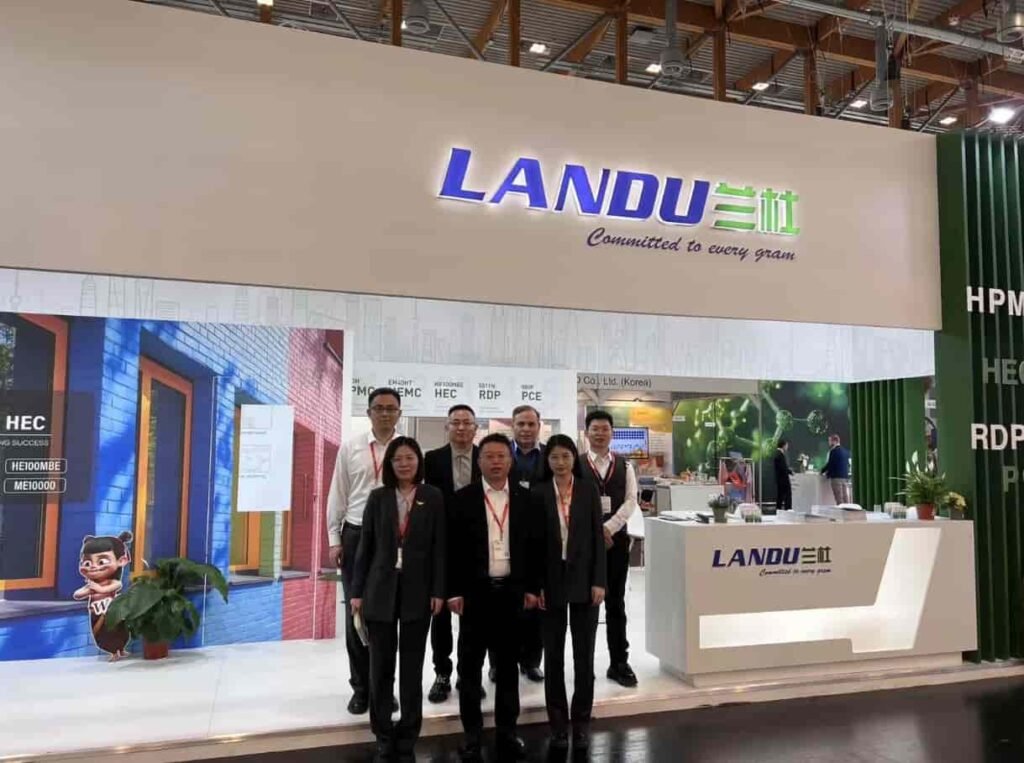
Why Choose LANDU for Gypsum Application Additives

Beyond supplying additives, we help customers optimize formulations and improve real construction performance.

We Offer:

Try our Gypsum Application chemical products risk-free! 
LANDU Company

With LANDU, you get accurate products, reliable quality, and outstanding service. Simply send us a message, and we’ll take care of everything!
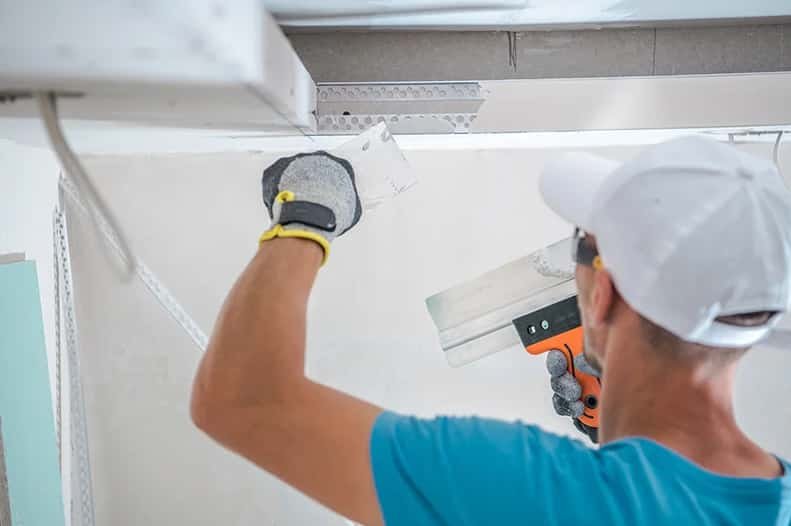
Partner with LANDU - Your Professional Gypsum Application Additives Manufacturer

Wall Putty / Skim Coat

Expert Formulation Support

Our team helps you optimize your Gypsum formula for specific applications. We analyze your current product and suggest improvements. Furthermore, we provide custom blends to meet your unique requirements. As a result, you get a formula that outperforms competitors while meeting your cost targets.

LANDU-The-Structure-of-an-EIFS-System

Quality and Innovation Commitment

LANDU holds ISO 9001 and EU REACH certification. Our products are exported to over 60 countries with extensive experience working with multinational corporations.
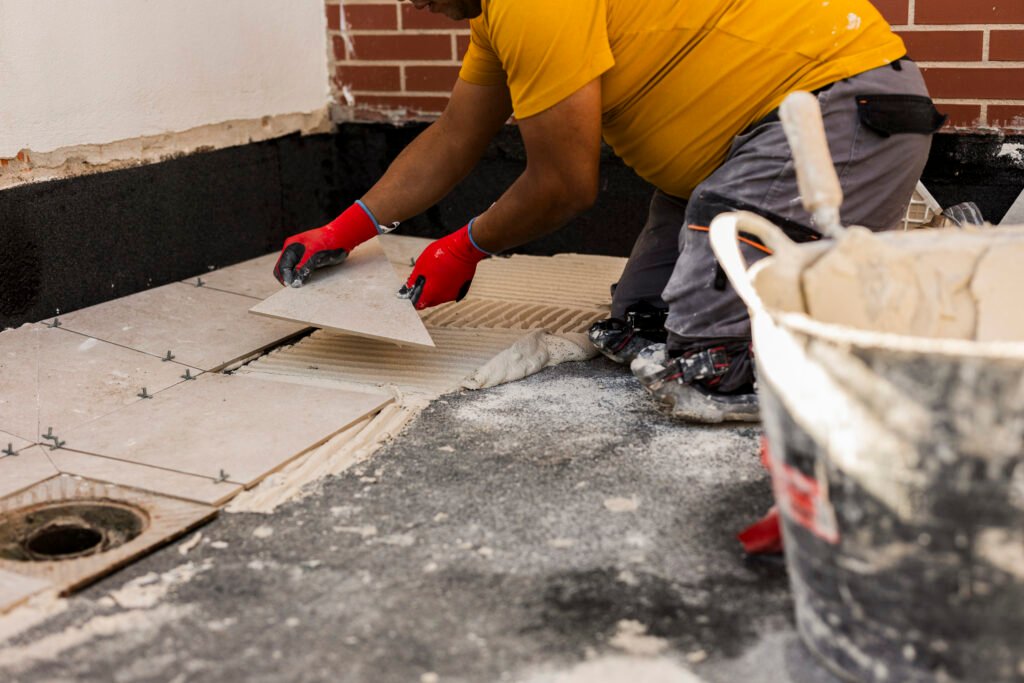
midsection, hispanic, man, laying, tile, floor, new house, adults only, renovation, bathroom, aluminum, apartment, adult, blue-collar worker, building contractor, bangkok, building - activity, architecture, repairman, indoor, installing, horizontal, ceramic, working, home improvement, construction worker, occupation, house, person, one person, color image, industry, male, diy, cement, tiled floor, repairing, hand, new, concrete, construction site, craftsperson, professional occupation, work tool, material, glue, trowel, residential building, human body part, decoration

Large Volume Order Capability

With three major factories and 75,000 tons of annual production capacity, we can quickly deliver large orders of Redispersible Polymer Powder.

FAQs - Gypsum Applications Additives

Everything you need to know about LANDU's self-leveling compounds Additives production and quality control

1. What additives are commonly used in gypsum plaster formulations?

Gypsum plaster formulations commonly use cellulose ether, retarders, starch ether, and polymer additives to improve water retention, workability, and setting stability. LANDU supports gypsum manufacturers with additive systems designed for different plaster application and processing requirements.

2. Why does gypsum plaster lose workability too quickly?

Rapid workability loss is often caused by insufficient water retention, retarder incompatibility, or fluctuating gypsum raw material quality. LANDU technical teams help optimize additive compatibility to maintain more stable application performance under different construction conditions.

3. How can surface cracking in gypsum skim coat be reduced?

Surface cracking is usually related to poor water balance, fast drying, or formulation instability. Proper coordination between cellulose ether, retarders, and polymer additives helps improve drying consistency and reduce surface defects in gypsum skim coat systems.

4. What is the function of cellulose ether in gypsum applications?

Cellulose ether mainly controls water retention, rheology, open time, and application consistency in gypsum-based materials. In many gypsum formulations, cellulose ether selection directly affects troweling behavior and final surface smoothness.

5. Why is setting time unstable in gypsum formulations?

Setting instability is often linked to gypsum source variation, retarder mismatch, or formulation imbalance. Even small dosage adjustments may influence construction performance and batch consistency during production.

6. Which additives improve machine spray gypsum performance?

Machine spray gypsum applications require balanced pumpability, spraying consistency, and stable rheology control. LANDU develops formulation-oriented additive combinations to support smoother machine application and reduced processing fluctuation.

7. How do polymer additives improve gypsum-based materials?

Polymer additives help improve adhesion, flexibility, crack resistance, and overall surface durability. They are commonly used in gypsum formulations requiring better bonding performance or improved resistance to drying stress.

8. What should be considered when selecting additives for joint compound formulations?

Joint compound formulations usually require balanced smoothness, anti-cracking performance, storage stability, and easy finishing behavior. LANDU works with manufacturers to optimize additive compatibility based on actual formulation and processing conditions.

9. Can gypsum additives help improve production consistency?

Yes. Stable additive systems help reduce formulation fluctuation caused by gypsum variability, environmental conditions, and processing differences during large-scale production. Consistent additive compatibility is especially important for maintaining batch-to-batch stability.

10. Why is additive compatibility important in gypsum applications?

Gypsum application performance depends on the interaction between cellulose ether, retarders, starch ether, polymers, and other formulation components. LANDU focuses on compatibility between additives inside the formulation system rather than isolated raw material performance alone.