Skip to content
Sales@landu-china.com
(+86) 180 4322 4403
Facebook
X-twitter
Youtube
Whatsapp
Products
LANDERCOLL Cellulose Ether
Hydroxypropyl Methyl Cellulose (HPMC)
Hydroxyethyl Methyl Cellulose (HEMC)
Hydroxyethyl Cellulose (HEC)
Sodium Carboxymethyl Cellulose (CMC)
ACCURATE Redispersible Polymer Powder (RDP)
NOVASTAR Specialty Additives
Polycarboxylate Superplasticizer(PCE)
Silicone Hydrophobic Powder (SHP)
Gypsum Retarder
Powder Defoamer
Hydroxypropyl Starch Ether (HPS)
Polypropylene Fiber
Applications
Construction Applications
Tile Adhesive Additives
HPMC for Tile Adhesive
MHEC for Tile Adhesive
RDP for Tile Adhesive
Skim Coat/Wall Putty
HPMC for Wall Putty/Skim Coat
MHEC for Wall Putty/Skim Coat
RDP for Wall Putty
Cement Render/Plaster
HPMC for Cement Render
HEMC for Cement Render
RDP for Cement Render
EIFS System
HPMC for EIFS /ETICS Systems
MHEC for EIFS /ETICS Systems
RDP for EIFS /ETICS Systems
Repair Mortar
HPMC for Repair Mortar
MHEC for Repair Mortar
RDP for Repair Mortar
PCE for Repair Mortar
Self-Leveling Compound
HPMC for Self Leveling Compounds
Gypsum Plaster
Gypsum Applications
Grouting Mortar Additives
UHPC Additives for Concrete
Waterproof Mortar Additives
HPMC for Waterproof Mortar
HEMC for Waterproof Mortar
RDP for Waterproof Mortar
PCE Powder for Waterproof Mortar
HEC for Coatings
Emulsion Paint
Textured Paint
Emulsion Polymerization
Personal and Home Care Detergent
Personal Care Detergent
Cellulose Ethers for Personal Care
Cellulose Ethers for Skincare
Home Care Detergents
Cellulose Ether for Cleaning Detergents
Disinfectant Hand Sanitizer
Toilet cleaner
Pharmaceutical Intermediates
Industrial Applications
Oil Drilling
Ceramic
Papermaking
Battery
Textile Printing
Paint Removers
Service
Pre-Sales Services
After-Sales Service
Engineered Material Services
Contract Manufacturing Services
Company
Quality Control and Assurance
Innovation Center
LANDU History
CTO Message
CEO Message
Sustainability
Putting People First: A Culture of Care
Workplace Safety and Employee Growth
Community Involvement and Participation
Enterprise Ethics and Transparency
Sustainable Future: Our Environmental Promise
Solving World Issues with Green Innovation
Sustainable Choices: Low-Impact Products
Green By Design: Eco-friendly Customer Solutions
Thriving Together: Advancing Society and the Economy
Education Partnerships: Sharing Knowledge
Employment Opportunities and Wider Economic Benefits
Partnerships for Progress: The Power of Sponsorship
News and Events
Contact Us
Products
LANDERCOLL Cellulose Ether
Hydroxypropyl Methyl Cellulose (HPMC)
Hydroxyethyl Methyl Cellulose (HEMC)
Hydroxyethyl Cellulose (HEC)
Sodium Carboxymethyl Cellulose (CMC)
ACCURATE Redispersible Polymer Powder (RDP)
NOVASTAR Specialty Additives
Polycarboxylate Superplasticizer(PCE)
Silicone Hydrophobic Powder (SHP)
Gypsum Retarder
Powder Defoamer
Hydroxypropyl Starch Ether (HPS)
Polypropylene Fiber
Applications
Construction Applications
Tile Adhesive Additives
HPMC for Tile Adhesive
MHEC for Tile Adhesive
RDP for Tile Adhesive
Skim Coat/Wall Putty
HPMC for Wall Putty/Skim Coat
MHEC for Wall Putty/Skim Coat
RDP for Wall Putty
Cement Render/Plaster
HPMC for Cement Render
HEMC for Cement Render
RDP for Cement Render
EIFS System
HPMC for EIFS /ETICS Systems
MHEC for EIFS /ETICS Systems
RDP for EIFS /ETICS Systems
Repair Mortar
HPMC for Repair Mortar
MHEC for Repair Mortar
RDP for Repair Mortar
PCE for Repair Mortar
Self-Leveling Compound
HPMC for Self Leveling Compounds
Gypsum Plaster
Gypsum Applications
Grouting Mortar Additives
UHPC Additives for Concrete
Waterproof Mortar Additives
HPMC for Waterproof Mortar
HEMC for Waterproof Mortar
RDP for Waterproof Mortar
PCE Powder for Waterproof Mortar
HEC for Coatings
Emulsion Paint
Textured Paint
Emulsion Polymerization
Personal and Home Care Detergent
Personal Care Detergent
Cellulose Ethers for Personal Care
Cellulose Ethers for Skincare
Home Care Detergents
Cellulose Ether for Cleaning Detergents
Disinfectant Hand Sanitizer
Toilet cleaner
Pharmaceutical Intermediates
Industrial Applications
Oil Drilling
Ceramic
Papermaking
Battery
Textile Printing
Paint Removers
Service
Pre-Sales Services
After-Sales Service
Engineered Material Services
Contract Manufacturing Services
Company
Quality Control and Assurance
Innovation Center
LANDU History
CTO Message
CEO Message
Sustainability
Putting People First: A Culture of Care
Workplace Safety and Employee Growth
Community Involvement and Participation
Enterprise Ethics and Transparency
Sustainable Future: Our Environmental Promise
Solving World Issues with Green Innovation
Sustainable Choices: Low-Impact Products
Green By Design: Eco-friendly Customer Solutions
Thriving Together: Advancing Society and the Economy
Education Partnerships: Sharing Knowledge
Employment Opportunities and Wider Economic Benefits
Partnerships for Progress: The Power of Sponsorship
News and Events
Contact Us
News & Events
Page: News and Events
Blog
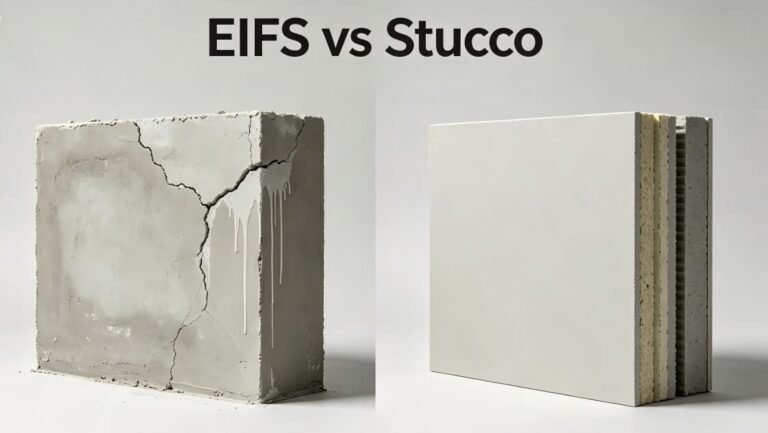
EIFS vs Stucco: Insulation, Crack Resistance & Wall Performance
Read More »
Blog
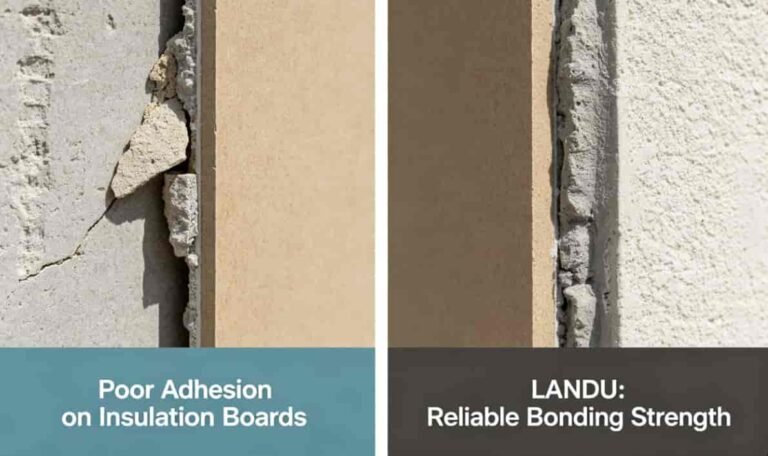
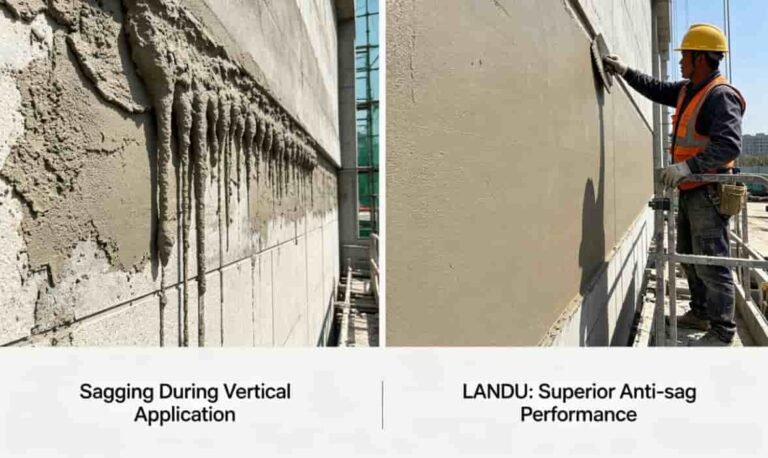
5 Common EIFS Adhesive Problems Seen on Site
Read More »
Blog
EIFS Adhesive Formulation Guide for Stable Bonding and Workability
Read More »
Blog
What Is EIFS System?
Read More »
Blog
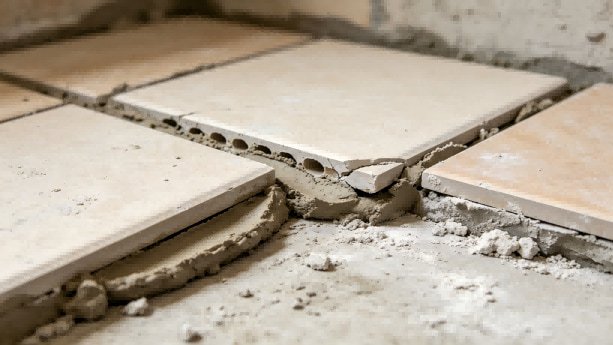
Common Tile Adhesive Problems on Site Explained
Read More »
Blog
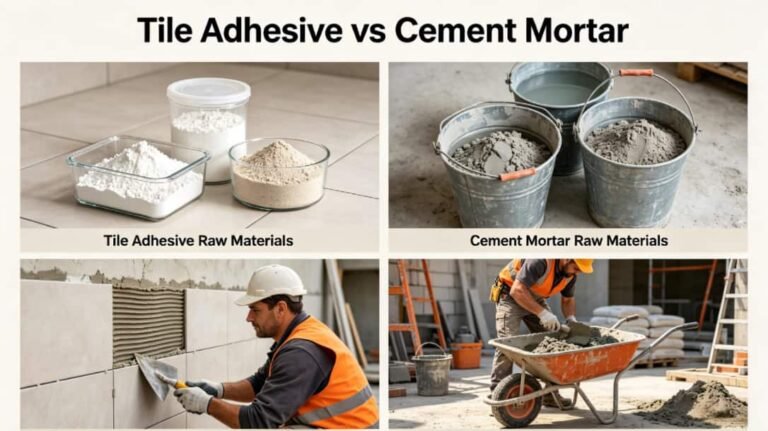
Tile Adhesive vs Cement Mortar | Key Differences Explained
Read More »
Blog
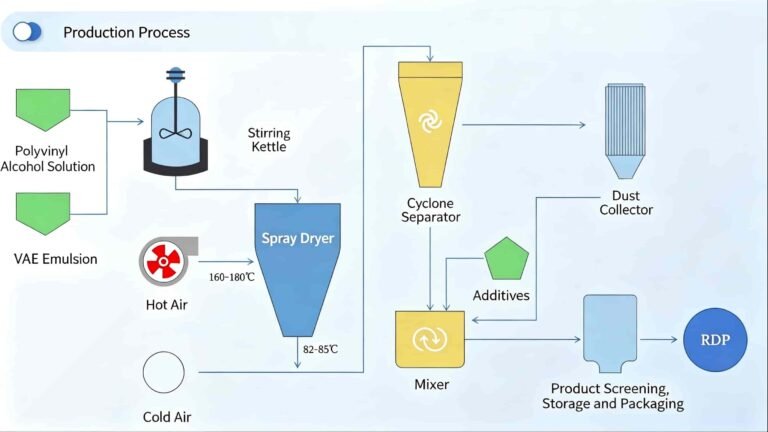
How Redispersible Polymer Powder Is Manufactured
Read More »
Blog
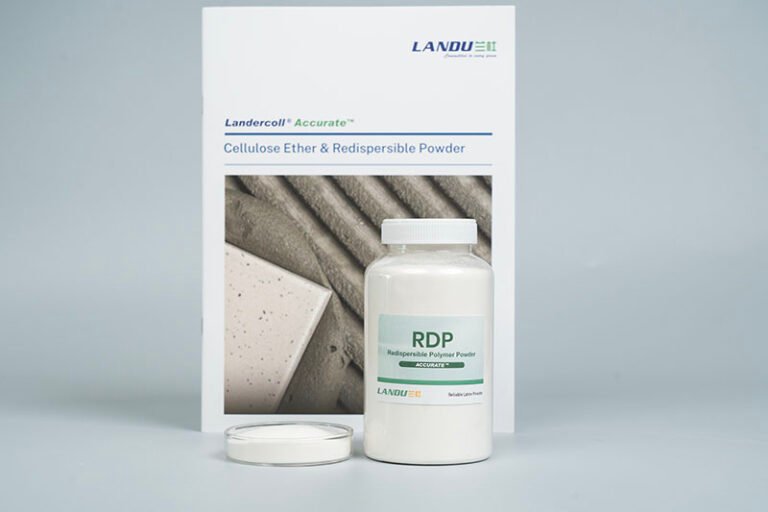
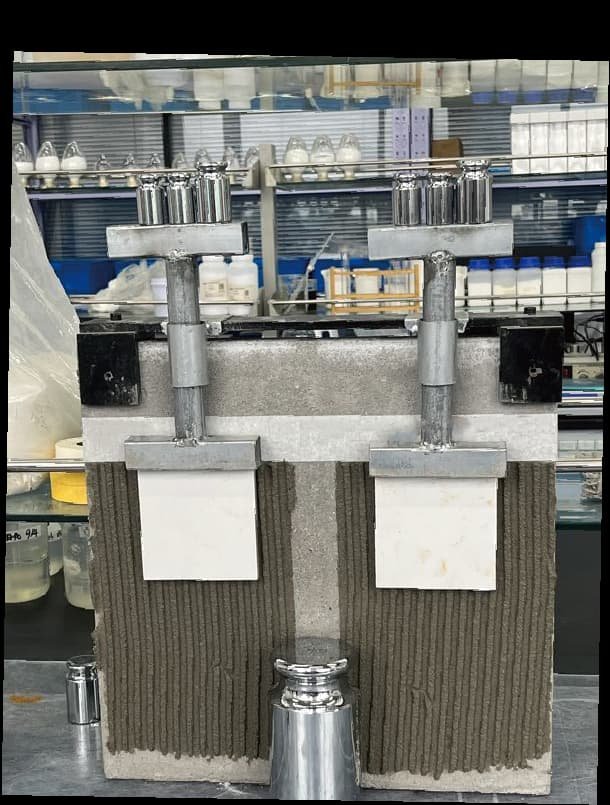
How Redispersible Polymer Powder Improves Mortar Performance
Read More »
Blog
Tile Adhesive Composition: Materials, Additives & Formulation
Read More »
« Previous
Page
1
Page
2
Page
3
Page
4
Page
5
Next »