Tile Adhesive Additives | HPMC, HEMC & RDP Solutions

Reliable Manufacturing. Customizable Solutions. Consistent Quality.

Common Challenges in Tile Adhesive Formulations

Modern tile adhesive formulations require more than cement and fillers. Manufacturers must balance water retention, anti-slip performance, open time and adhesion strength to meet the demands of ceramic tiles, porcelain tiles and large-format installations. Cellulose ethers such as HPMC and HEMC, together with redispersible polymer powder (RDP), are essential additives for improving tile adhesive performance and application stability.

Benefits of Tile Adhesive Additives:

01

Excellent open time and sag resistance

02

High wet strength values

03

Increased cohesive force

04

Increased plastic behaviour and flexibility

LANDU: Your Trusted Tile Adhesive Additives Manufacturer

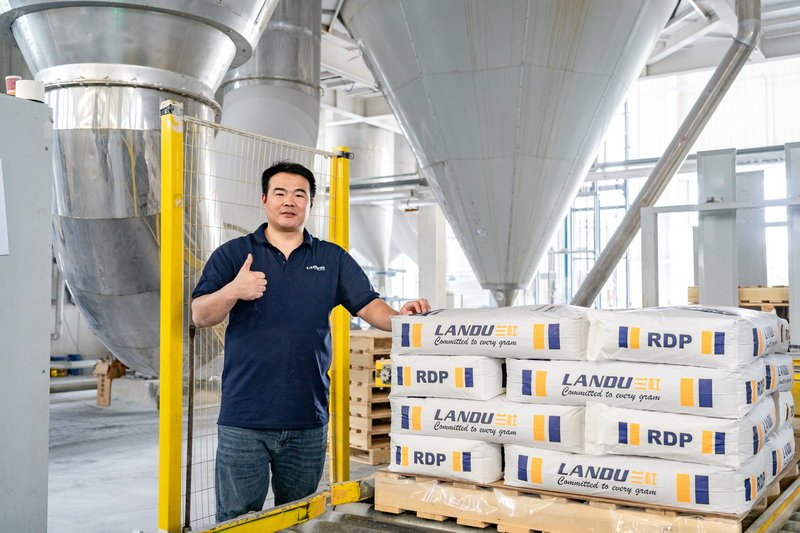
LANDU specializes in high-performance additives for tile adhesive and dry mix mortar. Our HPMC, HEMC, HPS  and RDP products help manufacturers improve workability, extend open time and boost bonding strength, even for challenging large-format tile installations.

Additive TypeMain BenefitsBest For
HPMCWater retention, anti-sag, workabilityGeneral-purpose tile adhesive formulas
HEMCEnhanced bonding, flexibility, reduced shrinkagePremium tile adhesive formulas
RDPFlexibility, adhesion strength, thermal resistanceHigh-performance tile adhesive formulas
HPSQuick thickening, improved workability, anti-slipFast-setting tile adhesive formulas
Tile Adhesive Additives | LANDU
Request Free Sample

Get a free sample of any additive to test in your tile adhesive formula!

Landercoll® Cellulose Ether Selection Guide

Specially modified Landercollcelluloseetherenhancestheanti-slip performance of tile adhe-sives, preventing tile slippage.
Field Of ApplicationProduct and grade – HPMCProduct and grade – HEMCViscosity (Brookfield RV 2%)Performance
C0

K200


K150


K100

EM200


EM150


EM100

65,000-80,000


55,000-65,000


45,000-60,000

Good water retention;


Good general performance;


Good workability;


Wide range of applications

C1

K100H


K100HT


K75H


K40H

EM100H


EM100HT


EM80H


EM40H

45,000-60,000


45,000-60,000


35,000-45,000


20,000-24,000

High water retention;


Enhanced open time;


Good slip resistance

C2

K40HT


K20HT


K10HT

EM40HT


EM20HT


EM10HT

20,000-24,000


10,000-18,000


4,000-8,000

High water retention;


Excellent open time;


Excellent slip resistance

Accurate™ Redispersible Polymer Powder

TypeRigidSemi-flexibleFlexible
Grade4012N/5011N/7118E4025N/7620E/9028E5045N/9055E
Tips:

C0, C1, and C2 represent distinct application scenarios (typically corresponding to various construction material systems, such as tile adhesives, putties, and plastering mortars); their performance characteristics vary depending on viscosity and specific grade.

HPMC (Hydroxypropyl Methylcellulose) and HEMC (Hydroxyethyl Methylcellulose) are two leading types of cellulose ethers, each offering specific advantages within different formulation systems.

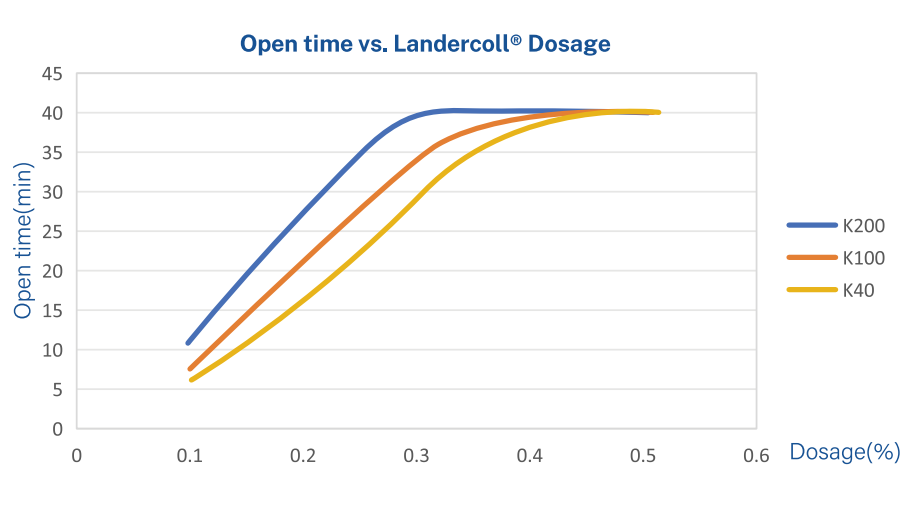
Open Time:

Landercoll® extends the open time of tile adhesives and enhances water retention in two key ways:

  1. Reduces Moisture Evaporation: Minimizes water loss due to evaporation, especially in high-temperature conditions, preventing surface skinning and maintaining workability for longer.
  2. Prevents Excessive Absorption: Inhibits water absorption by the substrate and tiles, retaining more free water for cement hydration. When combined with Accurate™, this improves adhesion strength.

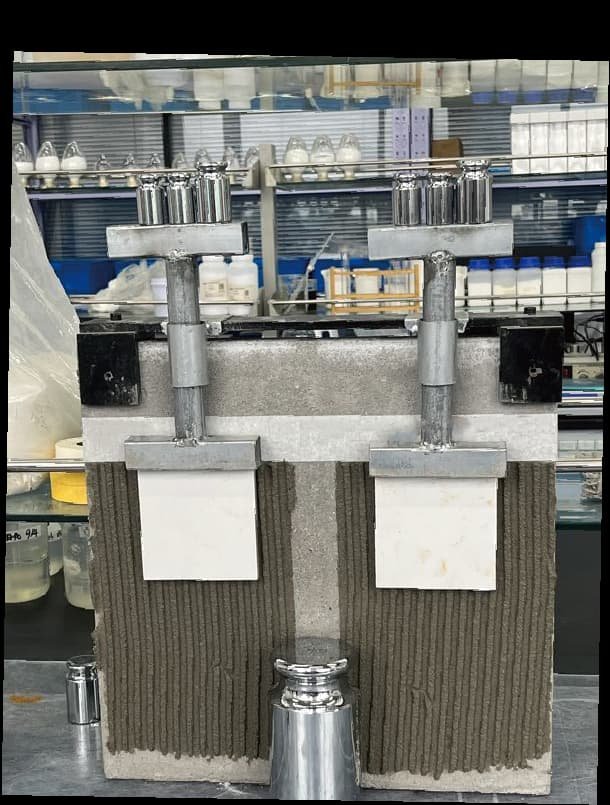
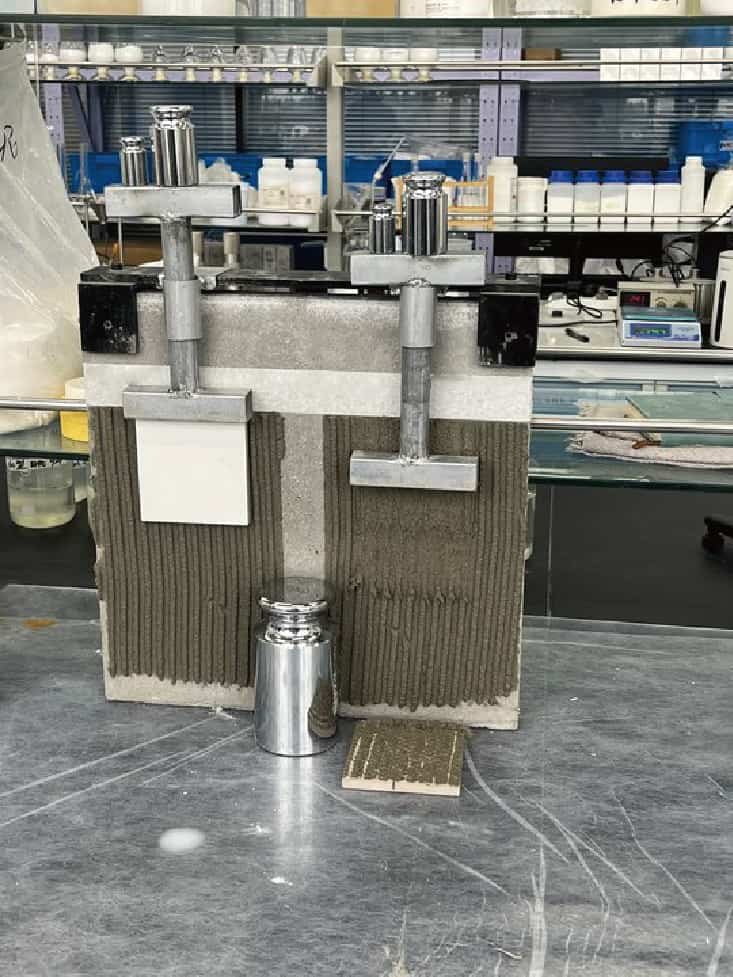
Slip Resistance:

When installing large-format tiles, marble, or low-absorption vitrified tiles on vertical surfaces, displacement can occur due to gravity. Specially modified Landercoll® cellulose ether enhances the anti-slip performance of tile adhesives, preventing tile slippage.

Typical Applications

  • Flexible adhesives suitable for outdoor applications
  • Wall and floor ceramic tiling
  • Porous and non-porous tiles
  • Mineral and non-mineral substrates
Application of Tile Adhesive Additives

Basic Additives for Four Types of Tile Adhesive Formulations

The right additives in yourtile adhesive formula make all these properties possible. Therefore, selecting the proper ingredients is crucial for manufacturing reliable products.
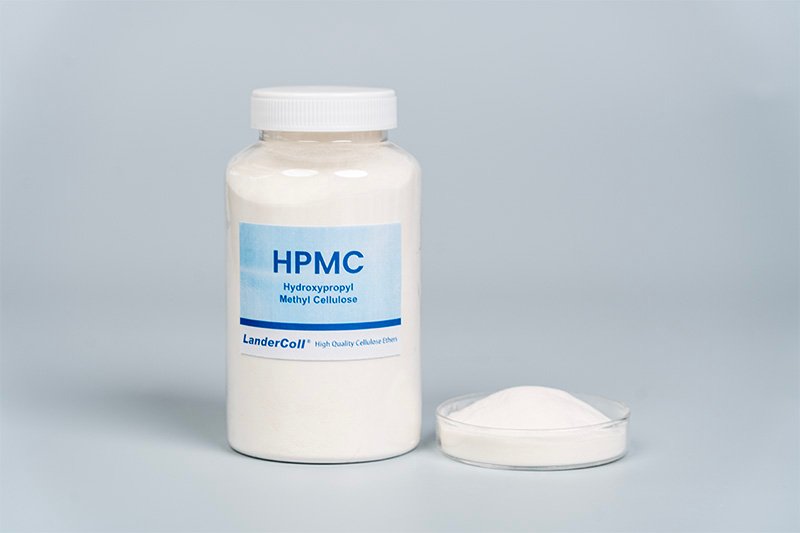
LANDU-HPMC-Hydroxypropyl-Methyl-Cellulose-chemical

The Water Retention Expert

LANDERCOLL HPMC improves your tile adhesive formula by keeping water in the mix longer. This additive creates the perfect environment for cement hydration. As a result, your adhesive develops maximum strength. Also, HPMC extends open time, giving installers more flexibility during application.

How HPMC enhances your tile adhesive formula:

Adding just 0.2-0.3% HPMC to your tile adhesive formula can increase water retention by up to 98%, dramatically improving bond strength.” – LANDU Research Center
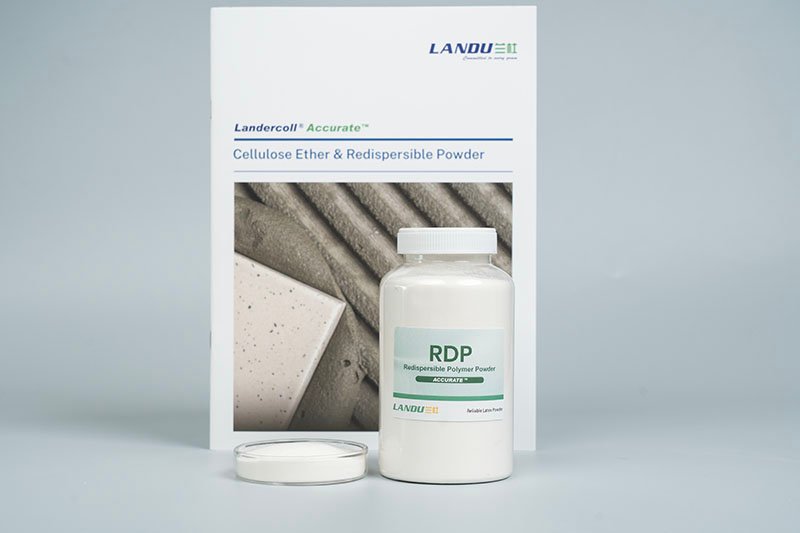
China RDP Powder | LANDU

The Flexibility Provider

LANDERCOLL HEMC takes your tile adhesive formula to the next level. This premium additive combines excellent water retention with enhanced bonding strength. Furthermore, it creates a smoother, more workable mixture that spreads easily. Most importantly, HEMC reduces cracking and improves long-term durability.

Benefits of HEMC in your tile adhesive formula:

Adding 3-5% RDP to your tile adhesive formula can increase tensile adhesion strength by up to 300% compared to standard cement-based adhesives. This makes it perfect for large-format tiles and outdoor applications.
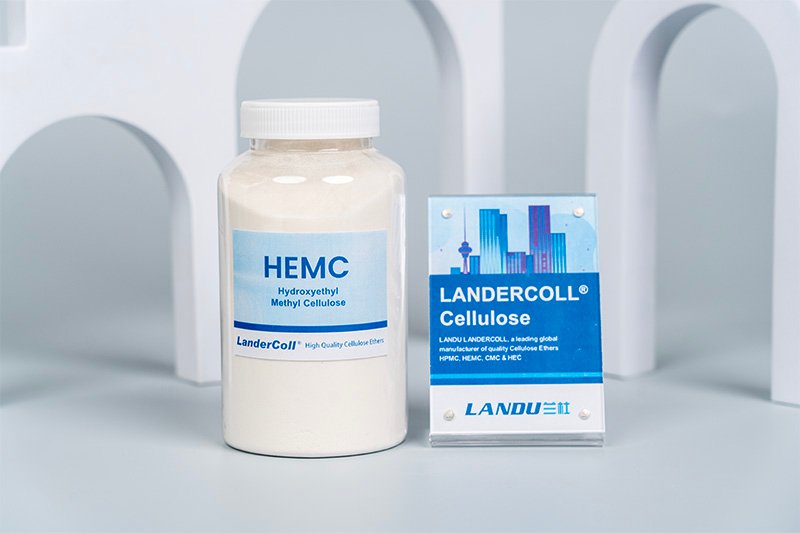
LANDU-HEMC-Hydroxyethyl-Methyl-Cellulose

HEMC (Hydroxyethyl Methyl Cellulose)

Best for: Projects needing movement tolerance

LANDERCOLL HEMC takes your tile adhesive formula to the next level. This premium additive combines excellent water retention with enhanced bonding strength. Furthermore, it creates a smoother, more workable mixture that spreads easily. Most importantly, HEMC reduces cracking and improves long-term durability.

Benefits of HEMC in your tile adhesive formula:
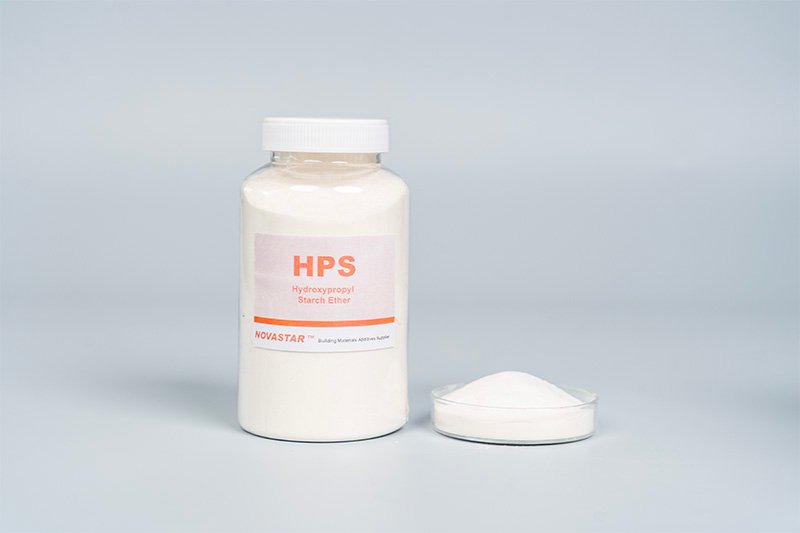
HPS-LANDU-Hydroxypropyl-Starch-Ether

HPS (Hydroxypropyl Starch Ether)

The Workability Improver

NOVASTAR HPS makes your tile adhesive formula more user-friendly. This rapid thickener creates the perfect consistency instantly. Therefore, installers can apply your product more easily. Also, HPS prevents sagging on vertical surfaces while maintaining excellent water retention. As a result, tiles stay in place during installation.

How HPS transforms your tile adhesive formula:

Test Our Additives in Your Tile Adhesive Formula

We offer free samples of all additives for your tile adhesive formula. You can test HPMC, HEMC, RDP, and HPS in your laboratory without any cost. Moreover, we cover all shipping expenses worldwide. If our sample doesn’t meet your needs, we’ll adjust the formula at no charge.
Your free sample package includes:

tile mortar vs tile adhesive
LANDU Large Order Handling
HPMC for Tile Adhesive-Landercoll

FREE Sample Policy for LANDU VAE RDP

Try our RDP chemical products risk-free! We offer:

If you’re not satisfied with the sample, our R&D team will refine the product to your exact specification – completely free of charge!
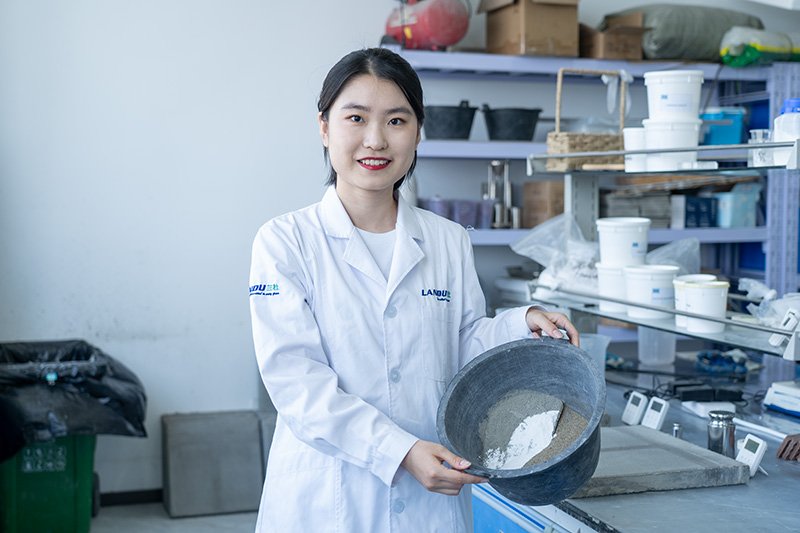
Get Customized Redispersible Polymer Powder Solutions

Not sure which Tile Adhesive Additives are right for you? Want pricing information? Our professionals will analyze your specific needs and guide you to the best solution.

We Offer:

Try our Tile Adhesive Additives chemical products risk-free! We offer:
LANDU-product-test-laboratories

With LANDU, you get accurate products, reliable quality, and outstanding service. Simply send us a message, and we’ll take care of everything!
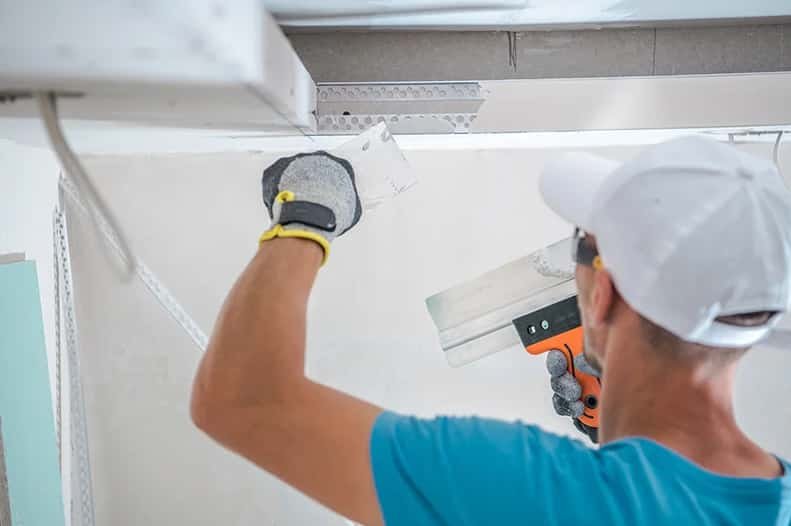
Partner with LANDU - Your Professional Tile Adhesive Additives Manufacturer

Wall Putty / Skim Coat

Expert Formulation Support

Our team helps you optimize your tile adhesive formula for specific applications. We analyze your current product and suggest improvements. Furthermore, we provide custom blends to meet your unique requirements. As a result, you get a formula that outperforms competitors while meeting your cost targets.
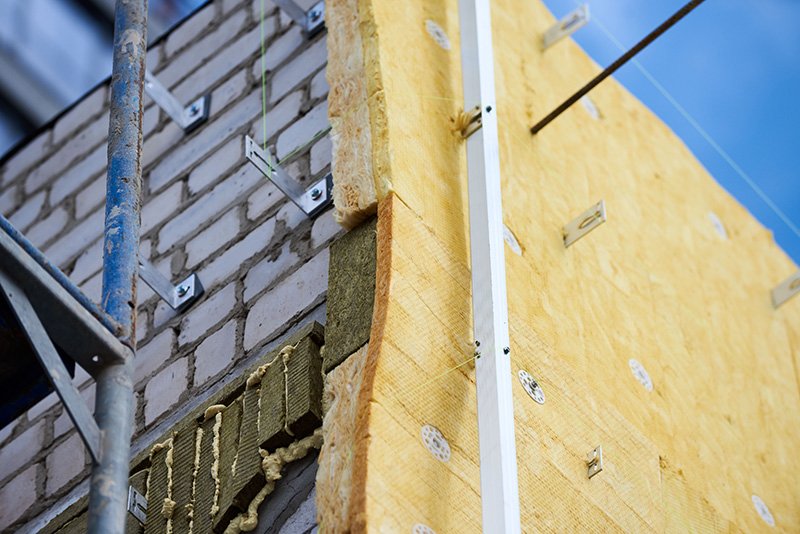
LANDU-The-Structure-of-an-EIFS-System

Quality and Innovation Commitment

LANDU holds ISO 9001 and EU REACH certification. Our products are exported to over 60 countries with extensive experience working with multinational corporations.
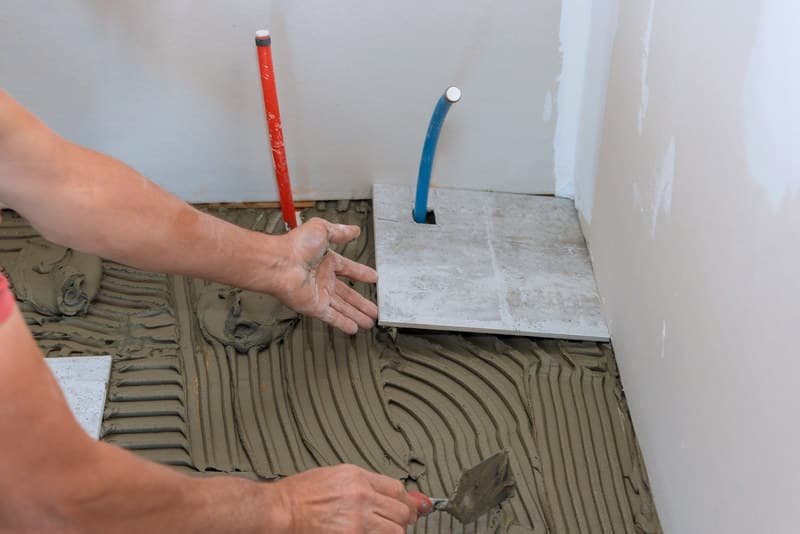
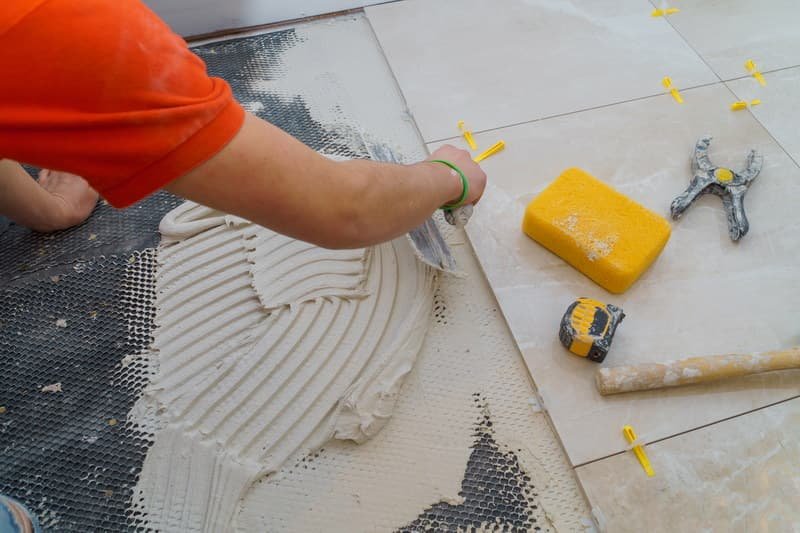
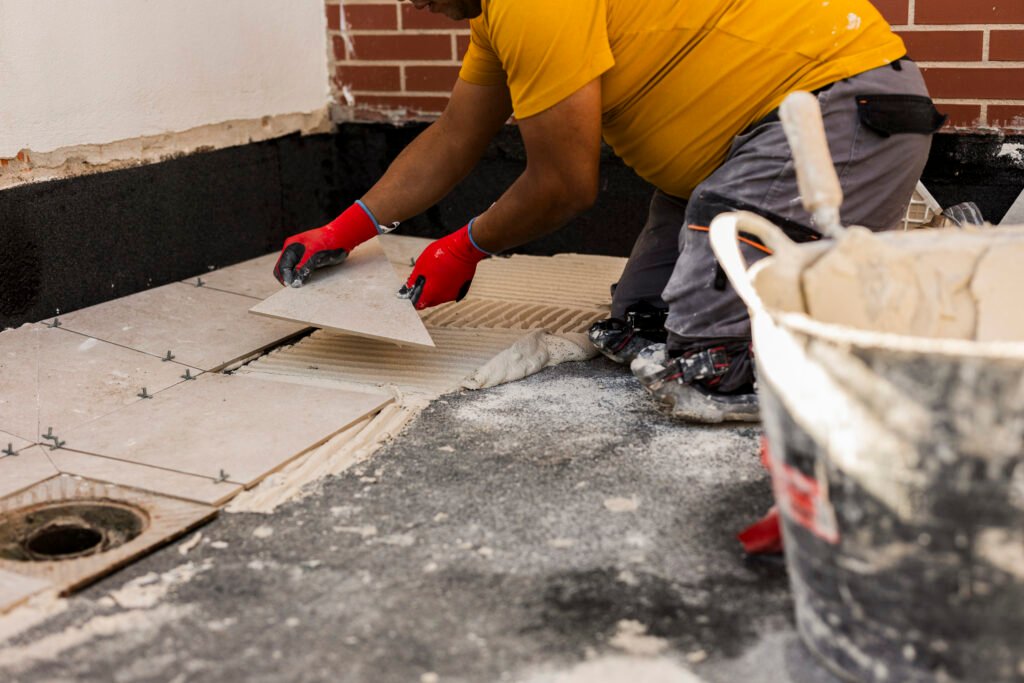
midsection, hispanic, man, laying, tile, floor, new house, adults only, renovation, bathroom, aluminum, apartment, adult, blue-collar worker, building contractor, bangkok, building - activity, architecture, repairman, indoor, installing, horizontal, ceramic, working, home improvement, construction worker, occupation, house, person, one person, color image, industry, male, diy, cement, tiled floor, repairing, hand, new, concrete, construction site, craftsperson, professional occupation, work tool, material, glue, trowel, residential building, human body part, decoration

Large Volume Order Capability

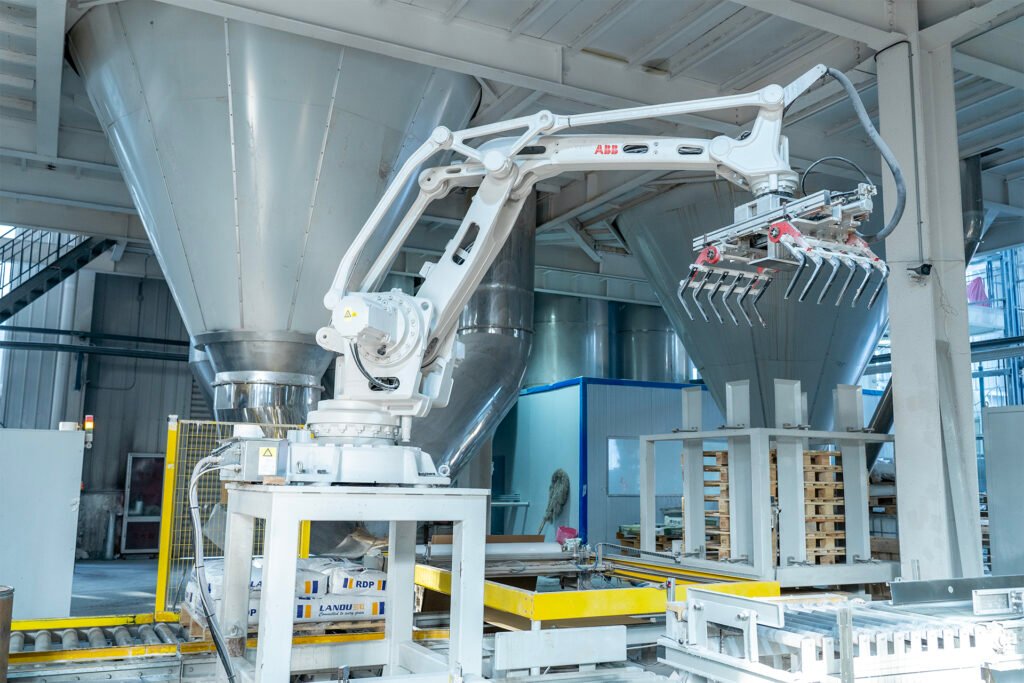
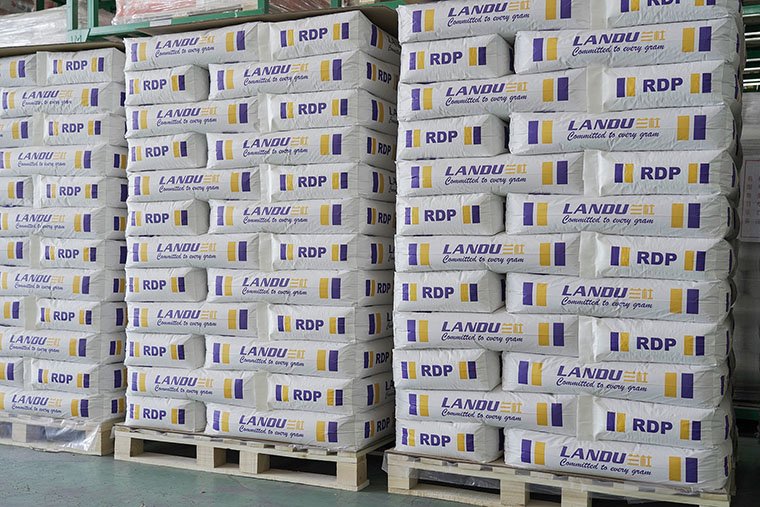
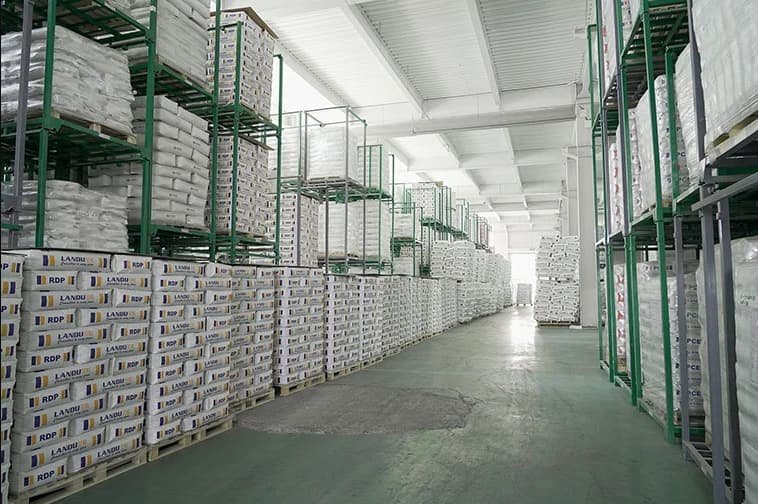
With three major factories and 75,000 tons of annual production capacity, we can quickly deliver large orders of Redispersible Polymer Powder.

FAQs - Tile Adhesive Additives

Everything you need to know about LANDU's RDP production and quality control

What is the difference between C1 and C2 tile adhesive formulas?

C1 and C2 are classification standards for tile adhesive formulas. C1 adhesives provide standard adhesion strength (≥0.5 N/mm²). Meanwhile, C2 adhesives offer improved adhesion (≥1.0 N/mm²). Adding LANDU RDP to your formula helps achieve C2 classification. This results in stronger bonds, especially for large or heavy tiles.

What additives are commonly used in tile adhesive formulations?

Tile adhesive formulations typically use cellulose ethers such as Landercoll® HPMC and HEMC, redispersible polymer powder (RDP), and modified starch ether (HPS). These additives improve water retention, workability, open time, anti-slip performance and bonding strength in cement-based tile adhesives.

What is the role of HPMC in tile adhesive?

Landercoll® HPMC (Hydroxypropyl Methyl Cellulose) improves water retention and workability in tile adhesive. It helps prevent rapid moisture loss, extends open time and enhances application smoothness during tile installation.

HPMC vs HEMC for tile adhesive: what’s the difference?

Both HPMC and HEMC are cellulose ethers used in tile adhesive formulations. HEMC generally provides better temperature stability and smoother workability, while HPMC is widely used for reliable water retention and cost-effective performance.

Why is RDP important in tile adhesive?

Redispersible polymer powder (RDP) improves flexibility, adhesion strength and crack resistance in tile adhesive systems. It is especially important for large-format tiles, exterior applications and substrates exposed to movement or temperature changes.

How can I improve open time in tile adhesive?

Open time can be improved by optimizing cellulose ether selection, especially using high-quality HPMC or HEMC with stable water retention properties. Proper additive balance also helps maintain workability during installation.

Which additives help prevent tile slipping on walls?

Modified starch ether (HPS) and cellulose ether additives help improve anti-slip performance in wall tile adhesives. These additives increase sag resistance and improve application stability for vertical installations.

What additives are recommended for large-format tile adhesive?

Large-format tile adhesive formulations usually require a combination of HEMC or high-performance HPMC together with RDP. These additives improve adhesion, extend open time and reduce tile sagging during installation.

How do additives improve bonding strength in tile adhesive?

Cellulose ethers improve cement hydration and workability, while RDP forms flexible polymer films that enhance adhesion between tiles and substrates. Together, they help achieve stronger and more durable bonding performance.

Why does tile adhesive lose bonding strength?

Poor water retention, insufficient polymer content or improper formulation balance can reduce bonding strength in tile adhesive. Environmental conditions and low-quality raw materials may also affect final adhesion performance.

How do I choose the right additive for tile adhesive production?

The right additive depends on tile type, substrate, climate conditions and required performance standards such as C1 or C2 classification. Manufacturers often combine HPMC, HEMC, HPS and RDP to optimize workability, adhesion and durability.