
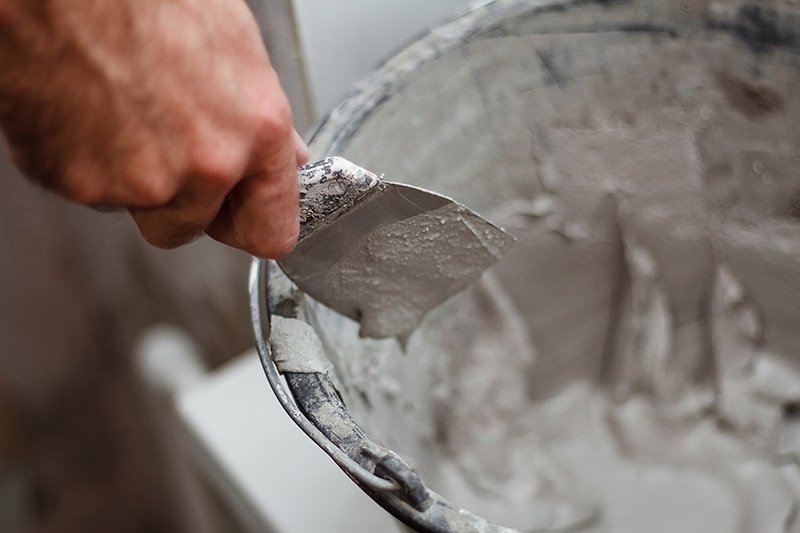
Gypsum plaster is an eco-friendly building material mainly used for indoor wall surfaces. It can be applied by hand or sprayedby machine. Gypsum plaster contains mostly gypsum mixed with small amounts of cement quicklime, calcium powder, finesand, and special additives.
| Additive Type | Main Benefits | LANDU Product Line |
|---|---|---|
| HPMC (Hydroxypropyl Methyl Cellulose) | Water retention, improved workability, prevents cracking | LANDERCOLL |
| HEMC (Hydroxyethyl Methyl Cellulose) | Thermal stability, superior water retention, better spreading | LANDERCOLL |
| RDP (Redispersible Polymer Powder) | Enhanced adhesion, flexibility, crack resistance | ACCURATE |
| Gypsum Retarder | Extends working time, improves finish quality | NOVASTAR |
Are you trying to make your gypsum plaster work better? LANDU offers special additives that make gypsum plaster stronger, easier to work with, and longer-lasting. We make high-quality building chemicals that help your gypsum plaster stick better and look great when finished. Keep reading to learn about the top 4 additives that will improve your construction projects.
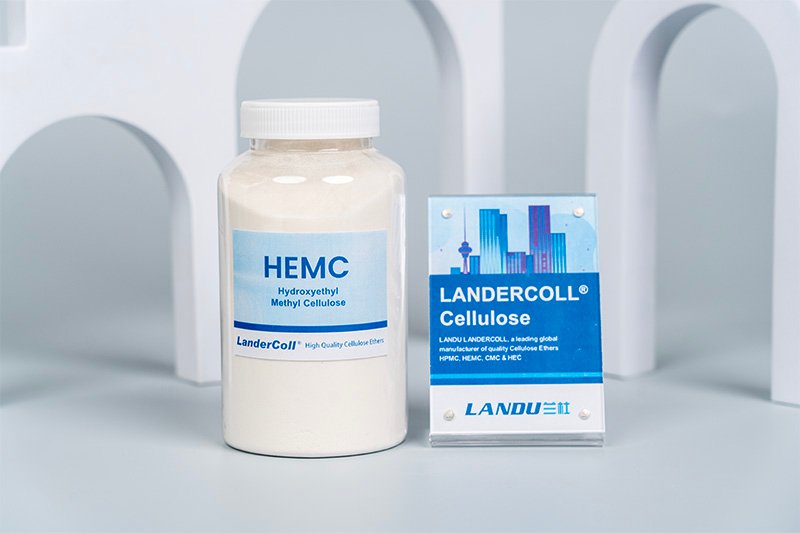
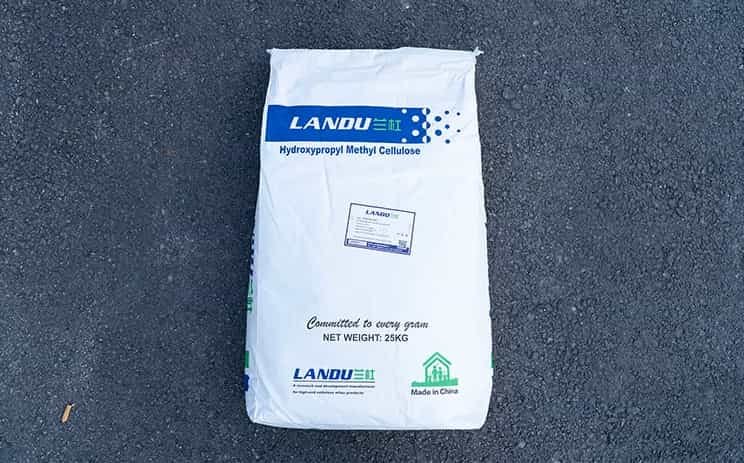
| Product Series | Product Name | Grade/Type | Specification Details |
|---|---|---|---|
| Landeroll® Cellulose Ether | HPMC / HEMC | K40 / EM40 | Machine Spray Plaster; Good water retention, workability |
| HPMC / HEMC | K100 / EM100 | Hand Apply Plaster; Good water retention, workability | |
| HPMC / HEMC | K150 / EM150 | Gypsum Putty; Good water retention, workability | |
| HPMC / HEMC | K40G / EM40G | Machine Spray Plaster; High water retention, long open time | |
| HPMC / HEMC | K100G / EM100G | Hand Apply Plaster; High water retention, long open time | |
| HPMC / HEMC | K150G / EM150G | Gypsum Putty; High water retention, long open time | |
| Accurate™ Redispersible Polymer Powder | RDP | 5011N / 7118E | Type: Rigid |
| RDP | 4025N / 7620E | Type: Semi-flexible | |
| RDP | 5045N / 9055E | Type: Flexible | |
| Novastar™ Gypsum Retarder | Gypsum Retarder | P100 / P200 / P300 / P400 | Application: Gypsum system |
LANDU makes high-performance chemical additives specially designed for gypsum plaster. Our binders, water-retaining agents, and gypsum retarders make the plaster easier to work with. They also help it stick better to concrete, brick, and drywall surfaces.
"Properly formulated gypsum plaster with quality additives can significantly reduce project completion time while improving overall wall finish quality."
LANDU creates mary diferen adltive trands These indudecelulose ethers (HPMC and HEMC, redipersble poymer Powder RDP) sypsumretarders and wate resstant slcone powders.
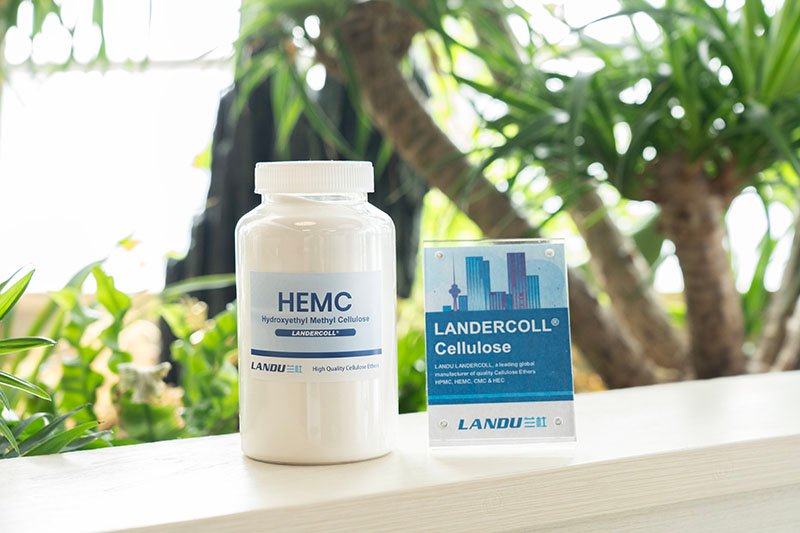
LANDERCOLL is our main brand for cellulose ethers. HPMC (Hydroxypropyl Methyl Cellulose) and HEMC (Hydroxyethyl Methyl Cellulose) keep water in the gypsum plaster longer. This prevents quick drying and ensures complete hydration. As a result, your plaster won't crack or become hollow. These additives also make gypsum plaster more fluid and easier to spread, which improves construction speed and quality.
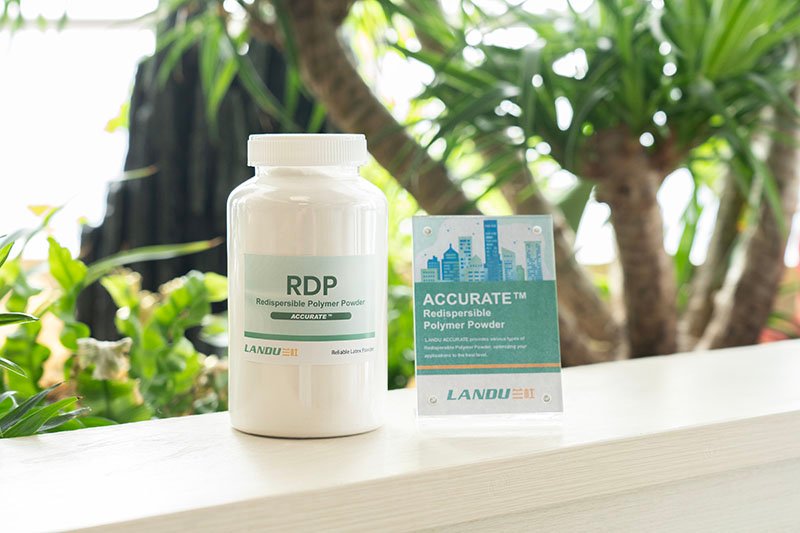
LANDU ACCURATE focuses on redispersible polymer powder (RDP). We offer different types of RDP including All-purpose, Leveling, and Water-resistant varieties. As a binding agent, RDP creates strong bonds between gypsum plaster particles and the wall surface. This makes the plaster stick better. RDP also adds flexibility to gypsum plaster, helping it adjust to small movements in the base layer without cracking.

LANDU NOVASTAR represents our commitment to innovation. This brand includes 7 main chemical additives for construction uses like gypsum plaster. NOVASTAR gypsum retarders are especially important because they slow down the setting time of gypsum plaster. This gives workers more time to apply the plaster over large areas, which improves efficiency and reduces defects.
Let's look closely at the 4 key additives that will make your gypsum plaster perform better.
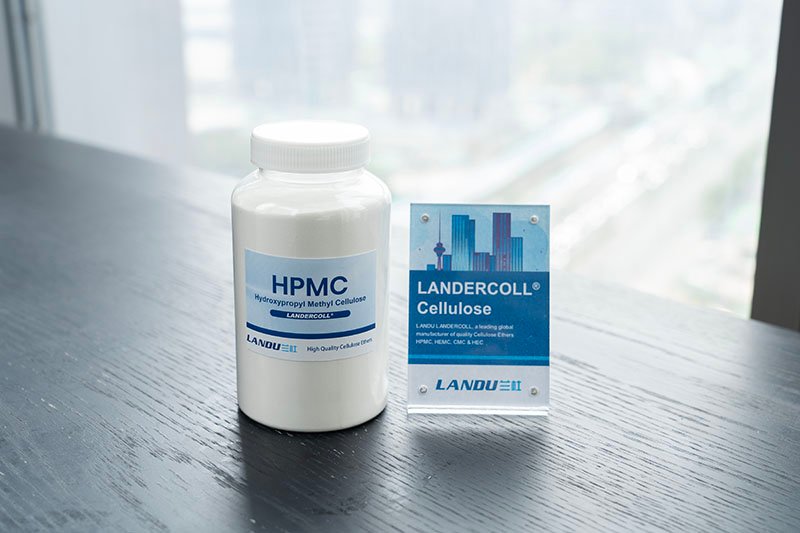
LANDU LANDERCOLL HPMC makes gypsum plaster easier to work with. It controls thickness for smooth application while keeping moisture from evaporating too quickly. HPMC forms a film that helps plaster stick to walls and prevents cracking. These features ensure even hydration, longer working time, and durable finishes. Our expertise in HPMC technology is well-respected in the building industry.
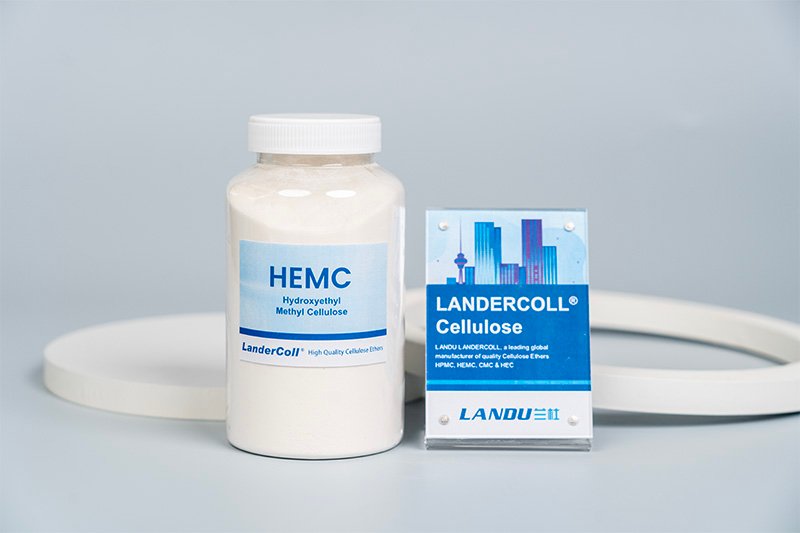
LANDU LANDERCOLL HEMC works well in hot conditions and holds water excellently in gypsum plaster. It maintains consistent workability even at high temperatures. HEMC makes plaster spread more easily with less effort. The additive improves surface leveling while preventing sagging and keeping the plaster together over time.
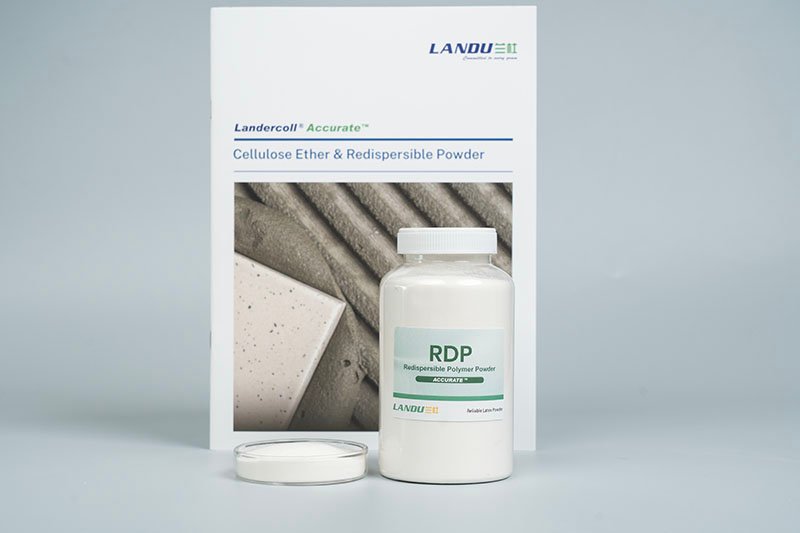
LANDU ACCURATE Redispersible Polymer Powder (RDP) is a powerful binder for gypsum plaster. It creates a flexible network that bridges small cracks and distributes stress. RDP greatly increases impact resistance, reduces shrinkage cracks, and improves adhesion to difficult surfaces. The result is tougher, more flexible plaster with better structural integrity.
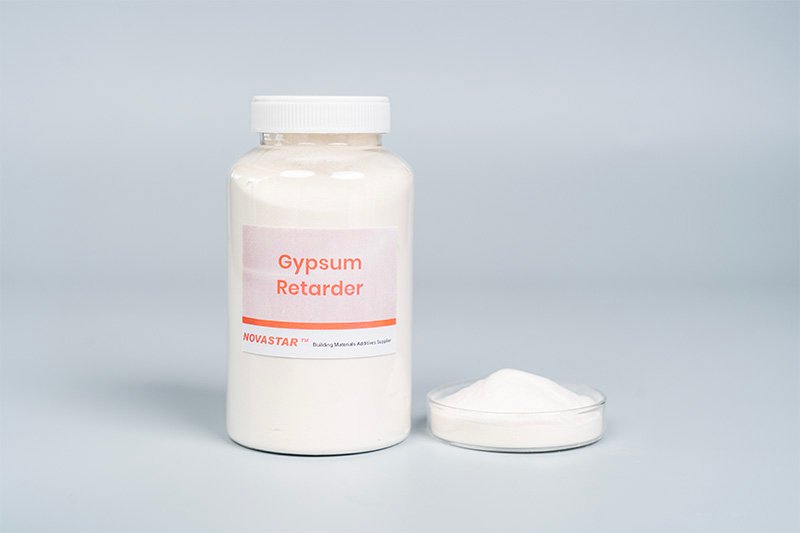
LANDU NOVASTAR Gypsum Retarder is a premium additive with amino groups. It extends the working time of gypsum plaster by controlling hydration. This ensures smooth application even in large areas. Gypsum retarders maintain consistent thickness while preventing premature setting. The result is crack-free surfaces with better finish quality. This additive preserves strength development and improves workability in varying temperatures.
| Additive | Typical Dosage | Effect on Plaster |
|---|---|---|
| HPMC/HEMC | 0.05% - 0.3% | Water retention, workability |
| RDP | 1% - 5% | Adhesion, flexibility |
| Gypsum Retarder | 0.01% - 0.1% | Setting time control |
Note: Exact dosages may vary based on specific project requirements and environmental conditions.

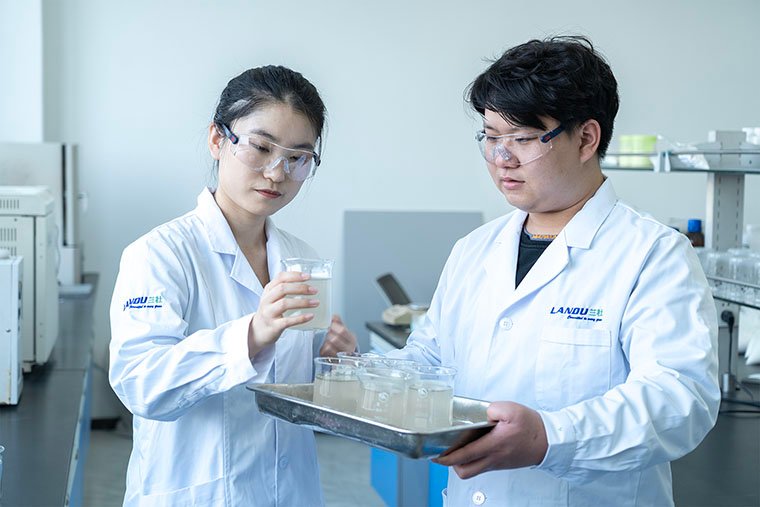


We've shown you our key additives for gypsum plaster. For more detailed information or custom formulation help, our technical experts are ready to assist you anytime. LANDU is certified by ISO 9001 and EU REACH, ensuring reliable product quality and professional service.
Try our premium products before ordering! We're happy to provide free samples shipped worldwide at no cost because we're confident in our quality. Along with your free 200-600g sample, you'll receive:

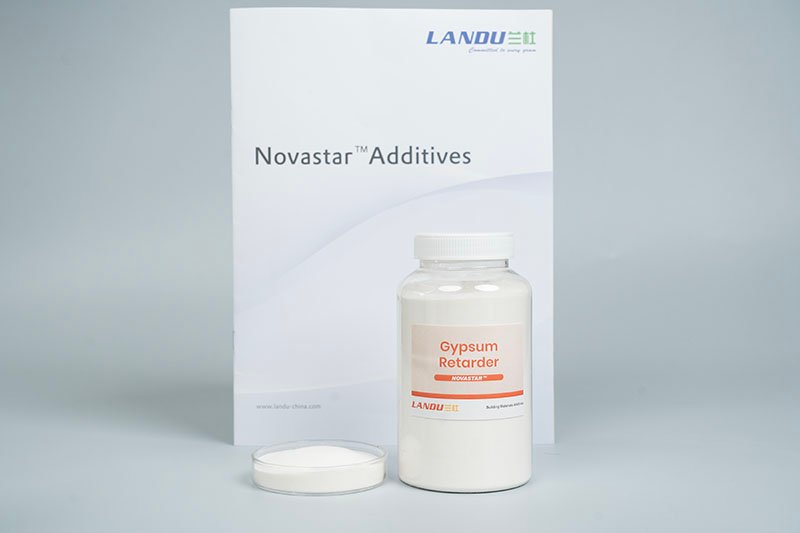
Our additives can help you create stronger, more workable, and longer-lasting gypsum plaster.