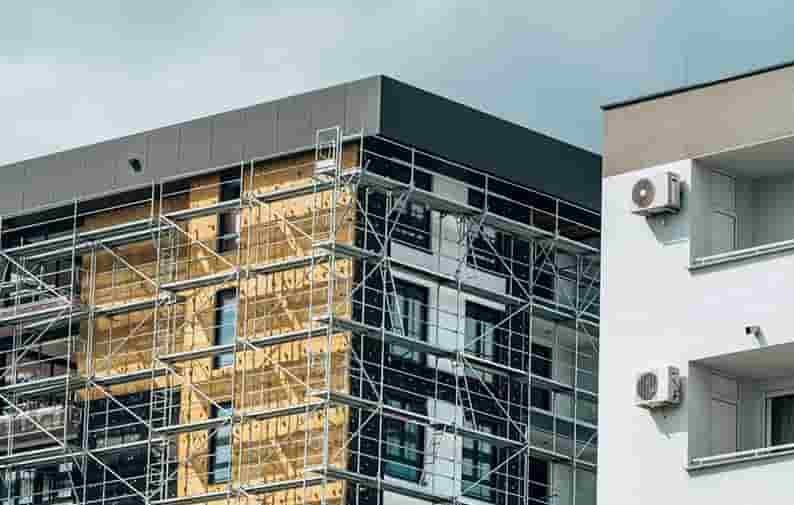
Exterior wall systems are no longer expected to provide only decorative finishing. In modern construction, facade systems also need to improve thermal insulation, moisture protection, weather resistance, and long-term building performance.
This shift is especially visible across Europe, where stricter energy regulations and rising heating costs continue to increase demand for better insulated buildings. As a result, exterior insulation systems have become a standard part of many residential, commercial, and renovation projects.
Among these systems, EIFS has become one of the most widely used solutions for modern energy-efficient facades.
But what exactly is an EIFS system, and why has it become so common in exterior wall construction?
EIFS stands for Exterior Insulation and Finish System. It is a multi-layer exterior wall system designed to improve thermal insulation while also providing weather protection and decorative finishing.
Unlike traditional cement rendering, EIFS is not simply a surface coating applied to a wall. It functions as an integrated facade system where insulation materials, reinforcement layers, and finish coatings work together to improve overall building performance.
In many European markets, EIFS is also referred to as:
Although terminology may vary by region, the purpose remains the same: improving energy efficiency and facade performance through continuous exterior insulation.
Related reading:
• EIFS System Additives
• Cellulose Ether for EIFS Mortars
For many years, exterior wall finishes were mainly expected to protect the building surface and improve appearance. Today, building envelopes are expected to do much more.
Modern construction projects must now address several challenges at the same time:
Traditional cement rendering systems can still provide surface protection, but they offer limited thermal insulation on their own. To meet current building standards, many projects now require more advanced exterior wall systems.
This is where EIFS systems fit particularly well.
Because the insulation layer is installed outside the structural wall, EIFS helps reduce thermal bridging and improves the overall thermal performance of the building envelope.
For both new construction and facade renovation projects, this approach offers a more efficient way to improve insulation without significantly increasing wall thickness inside the building.
Although specific system designs vary depending on local regulations and project requirements, most EIFS systems contain several core layers.
The insulation board forms the thermal core of the system. Common insulation materials include:
EPS is widely used because it provides a practical balance between insulation performance, lightweight structure, and cost efficiency. Mineral wool systems are also common in projects where higher fire resistance is required.
The insulation boards are attached to the wall substrate using adhesive mortars and, in some systems, additional mechanical fasteners.
The adhesive mortar is responsible for bonding the insulation board securely to the wall surface.
This layer has a direct influence on installation quality and long-term system durability. In practical construction environments, EIFS adhesive mortars must maintain:
Balancing these properties is not simply a matter of adding more cement. Mortar formulation design plays an important role in overall system performance.
After the insulation boards are installed, a reinforced base coat is applied together with fiberglass mesh.
This reinforcement layer helps distribute stress across the facade surface and improves impact resistance. Proper mesh embedding is important in reducing cracking risk, especially on large facade areas exposed to temperature fluctuation and structural movement.
The finish coat provides the final appearance of the facade while also contributing to weather protection.
EIFS finish systems are available in a wide range of textures, colors, and surface styles, allowing architects greater flexibility compared with many traditional rendering systems.
EIFS systems are becoming more common not because they are a new trend, but because they solve several practical problems in modern building design.
Continuous exterior insulation helps reduce heat transfer through the building envelope. This improves indoor thermal stability and can contribute to lower heating and cooling energy consumption.
Compared with traditional thick cement-based rendering systems, EIFS generally creates a lighter facade assembly. This can be especially important in high-rise projects and renovation work.
EIFS systems support a wide range of decorative finishes and facade textures without significantly increasing system complexity.
Many older buildings across Europe require facade upgrades to improve insulation performance. EIFS systems allow exterior insulation to be added without major structural reconstruction, making them widely used in energy retrofit projects.
In many EIFS projects, installation problems are not caused by the insulation board itself, but by poor mortar performance.
If adhesive mortars lack sufficient bonding strength or workability, contractors may encounter issues such as:
These problems become more noticeable on large facade surfaces or under changing weather conditions.
Because EIFS systems experience long-term temperature variation and environmental exposure, mortar flexibility and adhesion stability are especially important.
This is one reason why additive technology has become increasingly important in modern dry mix mortar production.
Modern EIFS mortars rely on carefully balanced additive systems to improve both installation performance and long-term durability.
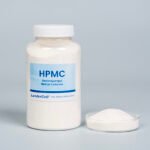
Cellulose ethers such as HPMC and HEMC are commonly used in EIFS adhesive and base coat mortars.
These additives help improve:
Good water retention is particularly important in cement-based mortars because it supports proper cement hydration and improves application stability under different site conditions.
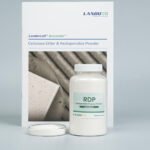
Redispersible polymer powder improves several key properties in EIFS systems, including:
Polymer modification becomes increasingly important in exterior insulation systems because facade materials are continuously exposed to thermal movement, moisture variation, and environmental stress.
For dry mix mortar manufacturers, balancing cellulose ether and polymer performance is often essential for achieving stable EIFS mortar formulations. For manufacturers developing EIFS adhesive and base coat mortars, additive consistency is often just as important as laboratory performance. LANDU supplies cellulose ethers and redispersible polymer powders used in exterior insulation mortar formulations where workability, bonding stability, and application reliability are critical.
Although EIFS and traditional cement rendering are both used on exterior walls, their functions are quite different.
| Feature | EIFS System | Traditional Cement Render |
|---|---|---|
| Thermal Insulation | Integrated exterior insulation | Limited insulation |
| System Weight | Relatively lightweight | Heavier |
| Flexibility | Higher | Lower |
| Crack Resistance | Better stress distribution | More prone to cracking |
| Energy Efficiency | High | Moderate |
| Facade Design Options | Wide range of finishes | More limited |
Traditional cement render mainly acts as a protective exterior coating, while EIFS functions as a complete insulated facade system.
Like any facade technology, EIFS performance depends heavily on material quality, mortar formulation, and installation practices.
Some common issues seen in EIFS projects include:
Poor adhesive performance can reduce long-term facade stability.
Thermal movement and insufficient flexibility may increase cracking risk over time.
Improper EIFS mortar rheology control can affect installation efficiency and surface consistency.
Poor detailing or low-quality finish systems may increase moisture infiltration risk.
Low-quality mortar formulations can create application difficulties for contractors, especially under varying weather conditions.
Because of these challenges, additive selection and formulation stability remain important factors in reliable EIFS system performance.
In practical EIFS applications, long-term facade performance depends on more than insulation boards alone.
Adhesion stability, crack resistance, workability, and weather durability are all heavily influenced by mortar formulation quality. Even well-designed facade systems can encounter installation or durability problems if the adhesive and base coat mortars are not properly balanced for real construction conditions.
For dry mix mortar manufacturers, this is why additive selection has become increasingly important in modern EIFS production.
Cellulose ethers help improve application control and water retention additives, while redispersible polymer powder contribute to flexibility, bonding strength, and long-term durability under environmental stress.
As exterior insulation standards continue to evolve, stable mortar formulation design will remain one of the key factors behind reliable EIFS system performance.
EIFS stands for Exterior Insulation and Finish System, a multi-layer exterior wall system designed to improve insulation and facade performance.
EIFS systems help improve thermal insulation, reduce energy consumption, and support modern energy-efficiency requirements in building construction.
Common insulation materials include EPS, XPS, and mineral wool.
Mortar quality affects bonding strength, crack resistance, workability, and long-term facade durability.
Cellulose ether improves water retention, workability, open time, and anti-sagging performance in cement-based EIFS mortars.
RDP improves adhesion, flexibility, crack resistance, and durability in EIFS adhesive and base coat mortars.
Yes. EIFS systems are widely used in facade renovation and energy retrofit projects because they improve insulation performance without major structural reconstruction.