Across European construction markets, tile installation systems are shifting from traditional cement-sand mortar to EN 12004-compliant tile adhesive systems. This shift is driven by demands for large-format tiles, thermal insulation systems (ETICS/EIFS), moisture resistance, and freeze-thaw durability.
1. Traditional Mortar vs Tile Adhesive
1.1 Traditional Tile Mortar (Cement-Sand System)
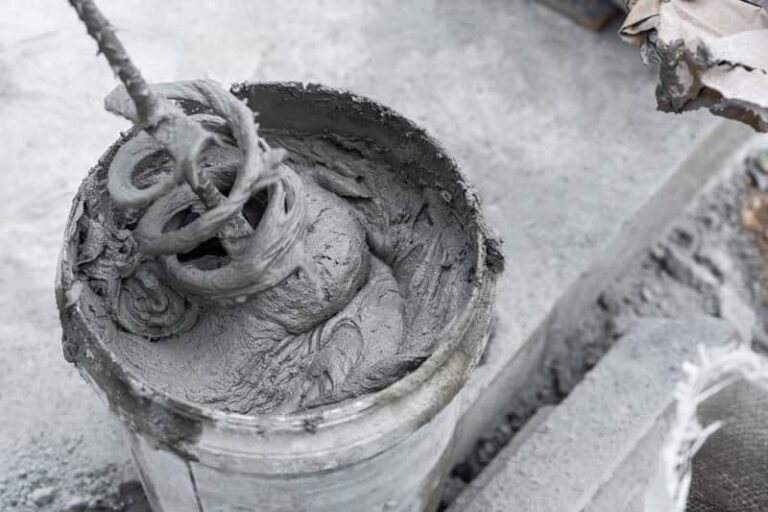
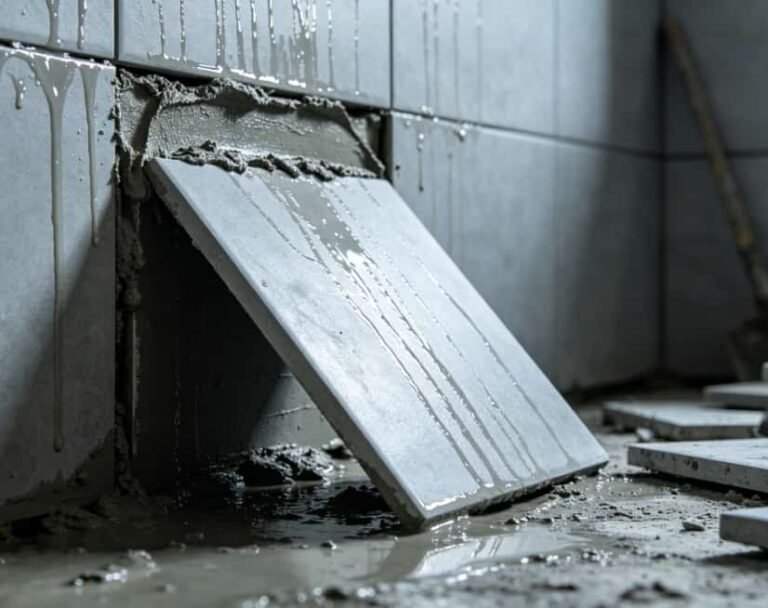
Tile mortar is a site-mixed material composed of cement, sand, and water. It is often used in thick-bed leveling applications. Its performance depends heavily on mixing ratio, water control, and installer experience.
1.2 Modern Tile Adhesive (EN 12004 Dry-Mix System)
2. Engineering Performance Comparison
Performance | Tile Mortar | Tile Adhesive |
System type | Site-mixed | Factory-controlled dry mix |
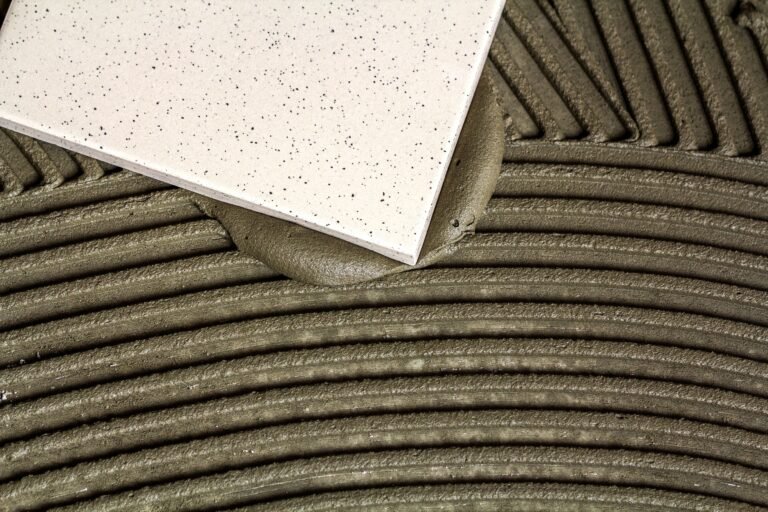
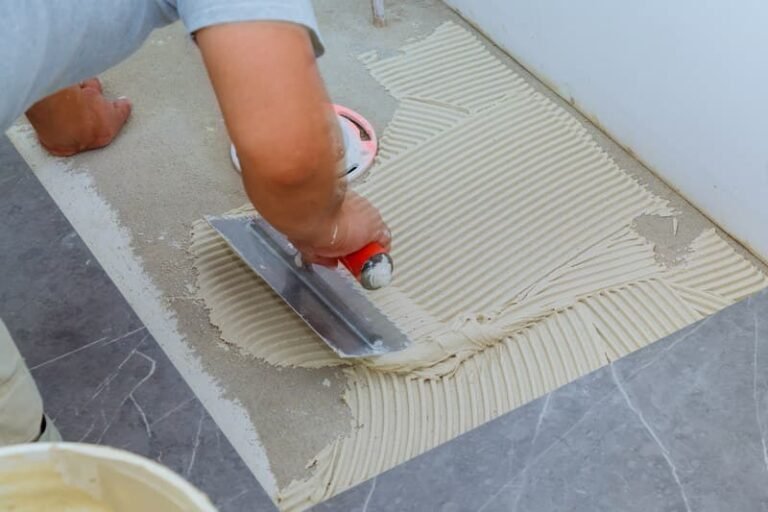
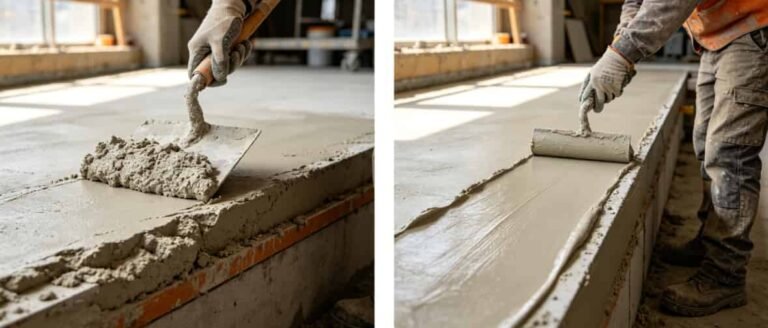
Installation | Thick-bed (10–20 mm) | Thin-bed (2–6 mm) |
Bond strength | Variable | EN-classified (C1/C2) |
Flexibility | Low | Medium to high (S1/S2) |
Water retention | Poor control | Engineered via cellulose ether |
Large tile suitability | Limited | Fully compatible |
Substrate compatibility | Basic masonry | Multiple substrates |
Consistency | Operator-dependent | Batch-consistent |
3. Why Tile Adhesive Performs Better: Formulation Perspective
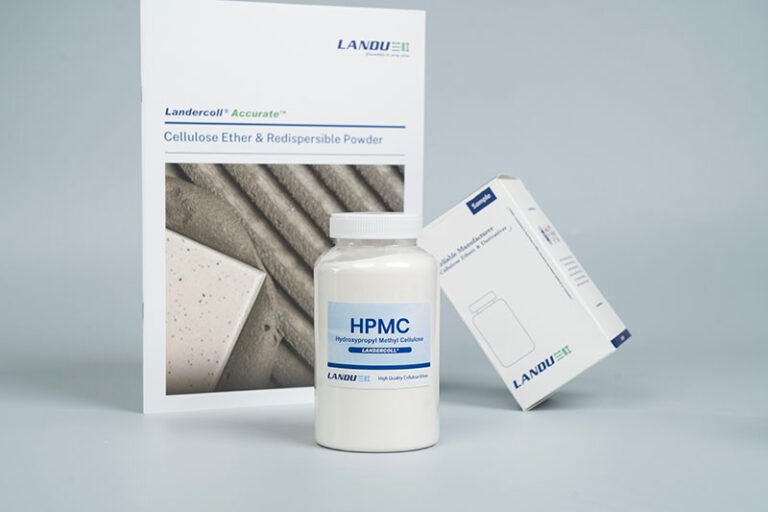
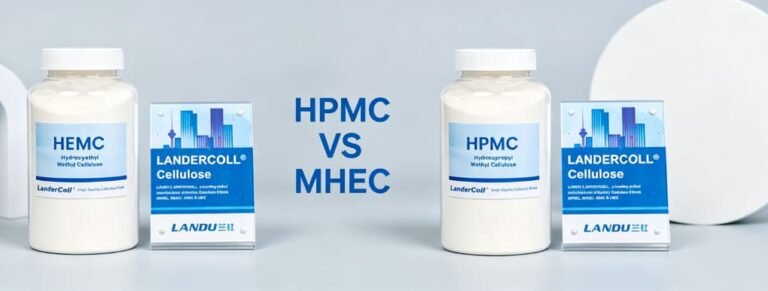
3.1 Cellulose Ether (HPMC / MHEC)
Cellulose ether controls water retention and ensures proper cement hydration. It also improves open time and anti-sag performance. This is essential for installation stability on absorbent substrates.
3.2 Redispersible Polymer Powder (RDP)
RDP forms a polymer film after curing, improving adhesion and flexibility. It enhances freeze-thaw resistance and reduces debonding risks.
3.3 Rheology Modifiers
These additives control slip resistance, workability, and open time stability under different climates.
Need an expert?
Provide 7*24 hour service
4. European Application Scenarios
Northern Europe (Germany, Scandinavia)
High demand for freeze-thaw resistance and underfloor heating compatibility.
→ Recommended: C2TE S1/S2 flexible adhesives
Western Europe (France, UK, Benelux)
High usage of large-format tiles in residential and commercial projects.
→ Recommended: C2 extended open time systems
Southern Europe (Spain, Italy, Greece)
High-temperature environments and exterior tile installations are common.
→ Recommended: Anti-sag + long open time adhesives
Eastern Europe (Poland, Czech Republic, Romania)
Focus on cost-performance balance in fast-growing construction markets.
→ Recommended: Optimized C1 systems
5. When Traditional Mortar Is Still Used
Traditional mortar is still applied in specific cases such as uneven substrate leveling and low-cost renovation projects. However, its usage is decreasing due to performance limitations in modern tile systems.
The industry shift represents a transition from site-controlled materials to engineered construction systems.
Tile adhesive systems provide standardized performance, better compatibility with modern tiles, and reduced installation risk.
6. Role of LANDU Additives in Tile Adhesive Systems
In modern dry-mix mortar systems, performance is achieved through functional additive engineering rather than cement alone.
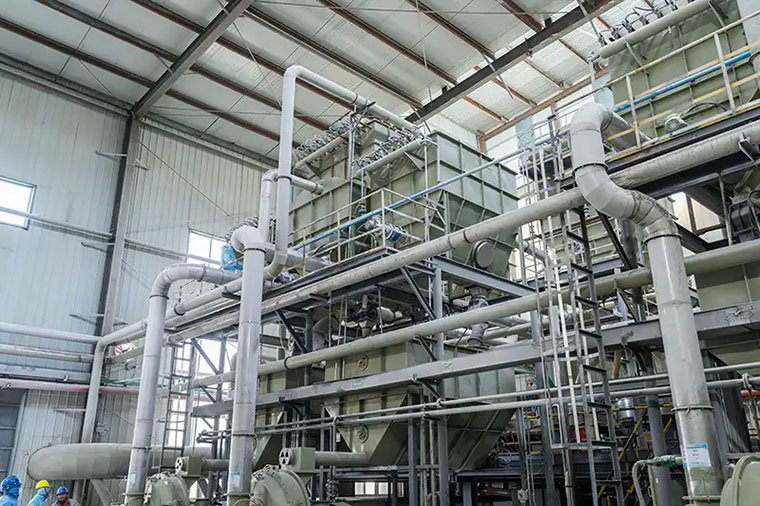
LANDU cellulose ether and related materials support key performance functions such as water retention, rheology control, and application stability in mortar systems.
These functions are widely used in EN 12004 tile adhesives, ETICS base coats, and self-leveling systems.
Need an expert?
Provide 7*24 hour service