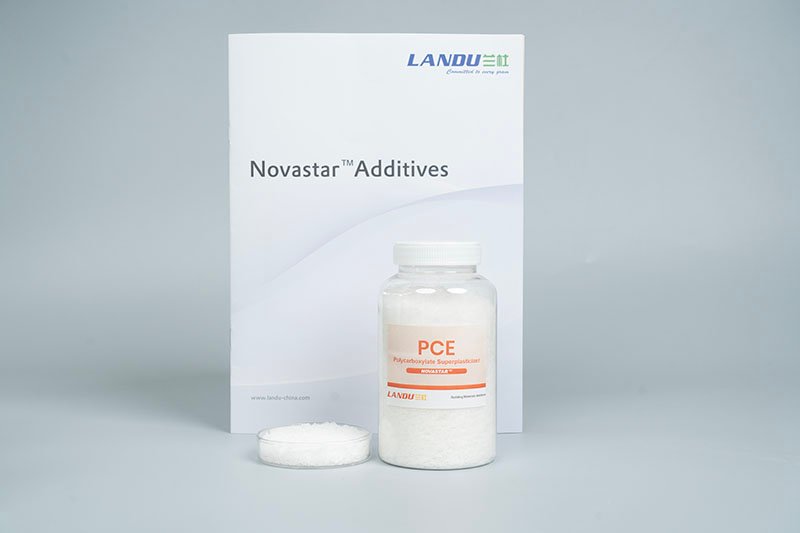
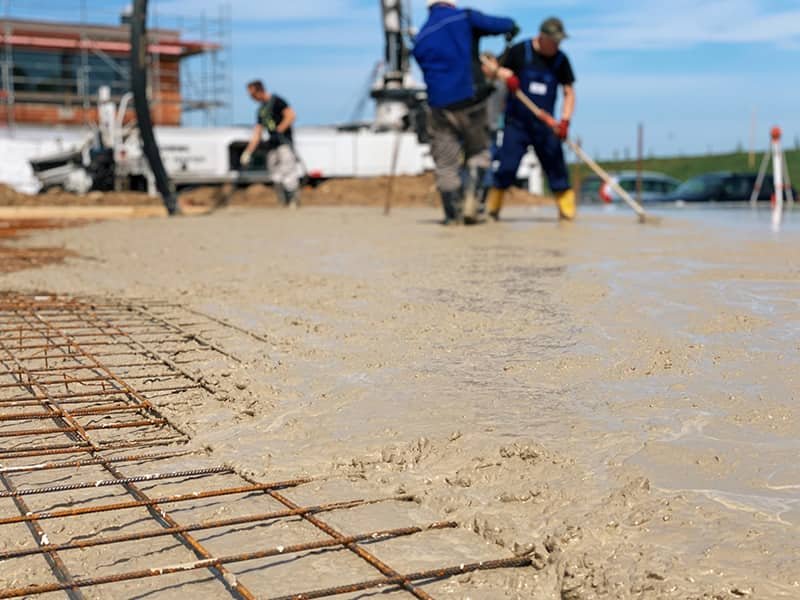
Manufacturer Direct | 30%-40% Water Reduction | 2h Slump Retention <10%
You’ve been there. The PCE dosage is right. The mix design was tested. But on site? The slump drops, the pump slows, and the frustration rises.
Polycarboxylate Superplasticizer (PCE) works brilliantly — until it doesn’t. Small changes in cement temperature (even 10°C) or sand clay content can trigger unexpected problems.
This article lists the 5 most common PCE issues we have solved for concrete plants. Here is how to fix each one fast.
What you see
The concrete leaves your plant with perfect slump — 200mm, flows well, looks good. Forty-five minutes later, at the job site, it is down to 120mm. The pump struggles. The finishers wait.
What causes it
Three things, usually:
| Cause | Why it kills slump |
|---|---|
| Cement temperature above 70°C | Hot cement absorbs water faster and accelerates hydration |
| Standard PCE on a long haul | The PCE’s dispersing effect wears off before the truck arrives |
| Under-dosing for the distance | You used the lab dosage, but the site is 90 minutes away |
How to check fast
Stick a thermometer into the cement silo. If it reads over 65°C, you have found the culprit.
Check your haul time. If it exceeds 45 minutes, standard PCE will struggle.
The fix
| Situation | Solution |
|---|---|
| Cement is hot | Let it cool overnight, or switch to a retention PCE |
| Haul time is long | Increase dosage by 0.05% solids, or change to a slump-retention formula |
| Both | Retention PCE + 0.02% extra dosage |
We have seen this problem at least once at every ready-mix plant we have worked with. The fix is almost always the same: match the PCE retention time to your haul distance.
What you see
The concrete flows, but it feels heavy. It sticks to the shovel. The pump pressure is high. Lines clog. Your pump operator is unhappy.
What causes it
Too much PCE. That is it 90% of the time.
When you overdose PCE, you release too much free water. The paste becomes thick and glue-like. It is not dry — it is sticky.
How to check fast
Look at your dosage records. Are you above 0.4% solids?
Check your water content. Did you add extra water to “help” the mix?
The fix
| Dosage level | Action |
|---|---|
| 0.35% – 0.45% | Reduce by 0.05% and test again |
| Above 0.45% | Reduce by 0.1%, then fine-tune |
| Unknown (poor dosing equipment) | Calibrate your pump. Do not guess. |
One more thing
If you reduce dosage and the slump drops too much, your PCE may be the wrong type. Some PCEs have very high charge density. They work fast but make sticky paste. A lower-charge PCE gives you the same slump with less stickiness.
What you see
Monday’s batch: perfect. Tuesday’s batch: same formula, same dosage, but the slump is different. Wednesday’s batch: somewhere in between.
Your operators are confused. Your customers are complaining.
What causes it
Almost always the supplier, not you.
| Supplier issue | Effect on your concrete |
|---|---|
| Solid content varies by ±2% or more | You are dosing water, not PCE |
| Poor mixing during production | Some drums have more active polymer than others |
| Old inventory | PCE degrades over time, especially in heat |
How to check fast
Measure the density of each delivery. A 0.02 g/cm³ difference means trouble.
Run a simple solids test. If the number jumps around, your supplier has a quality problem.
The fix
| Action | Why it works |
|---|---|
| Test every batch on arrival | You catch problems before they reach your mix |
| Reject deliveries outside ±1% solids | Suppliers learn to send you their best |
| Switch to a supplier with ISO and in-house lab | Consistent production requires process control |
From our experience
We have taken over accounts from three different suppliers where the #1 complaint was inconsistency. In every case, the problem was poor process control — not the PCE chemistry itself.
We test every batch of PCE before it leaves our plant. Solid content, pH, density, and performance with standard cement. If you want consistent results, start with a consistent supplier.
What you see
PCE works fine with Cement Brand A. You switch to Cement Brand B (same grade, same supplier). Suddenly, slump is low or setting time is off.
What causes it
Cements are not the same.
| Cement difference | Why PCE reacts differently |
|---|---|
| C3A content (tricalcium aluminate) | High C3A adsorbs PCE too fast |
| Gypsum type and amount | Affects early hydration and PCE demand |
| Alkali content | Changes surface charge on cement particles |
| Fineness | Finer cement needs more PCE |
How to check fast
Run a mini-slump test with both cements. Same PCE, same dosage. If results differ by more than 20mm, you have a compatibility issue.
Check your supplier’s technical data sheet for C3A and alkali numbers.
The fix
| Cement type | Solution |
|---|---|
| High C3A (>8%) | Increase PCE dosage by 0.05–0.1% or use a slower-adsorbing PCE |
| High alkali | Try a PCE with different side-chain density |
| Variable supply | Keep two PCE formulations on hand — one for each cement |
The real solution
Compatibility issues do not mean the PCE is bad. It means the PCE and cement are not a match.
We offer custom PCE formulations for specific cement types. Send us your cement sample. We will adjust the molecular design to fit your materials — not the other way around.
What you see
Your concrete works fine with washed sand. You switch to a local natural sand or a manufactured sand with dust. Same PCE, same dosage. Slump drops by half.
What causes it
Clay particles are PCE magnets.
| Clay type | How it hurts you |
|---|---|
| Montmorillonite | Absorbs 5–10x more PCE than cement |
| Kaolinite | Absorbs less, but still a problem |
| Mica | High surface area, soaks up PCE |
The PCE never reaches the cement. It gets trapped on the clay instead. You are paying for admixture that does nothing.
How to check fast
Run a simple test: wash the sand and try the same mix. If performance jumps, clay is your problem.
Look at your sand source. Natural sands and crusher dusts are high-risk.
The fix
| Approach | What to do |
|---|---|
| Best | Use cleaner sand. MB value below 1.0 is ideal. |
| Good | Switch to clay-tolerant PCE (modified molecular structure) |
| Workaround | Increase PCE dosage by 0.1–0.2% — but this costs more |
| Last resort | Pre-disperse PCE in mixing water before adding sand |
What we recommend
If you cannot change your sand source, use a clay-tolerant PCE. We designed one specifically for aggregates with MB values up to 2.5. It works because the side chains are engineered to resist clay adsorption.
| Problem | Key Symptom | Fastest Fix | Recommended PCE Type |
|---|---|---|---|
| Slump loss | Slump drops during transport | Switch to retention PCE | Slump-retention grade |
| Sticky concrete | Hard to pump | Reduce dosage by 0.05% | Standard or low-charge grade |
| Inconsistent batches | Same formula, different results | Test solids on arrival | Any — supplier quality matters |
| Cement incompatibility | Works with cement A, fails with B | Adjust dosage or change PCE type | Custom formulation |
| Clay sensitivity | Fails with natural/crusher sand | Use clay-tolerant PCE | Clay-tolerant grade |
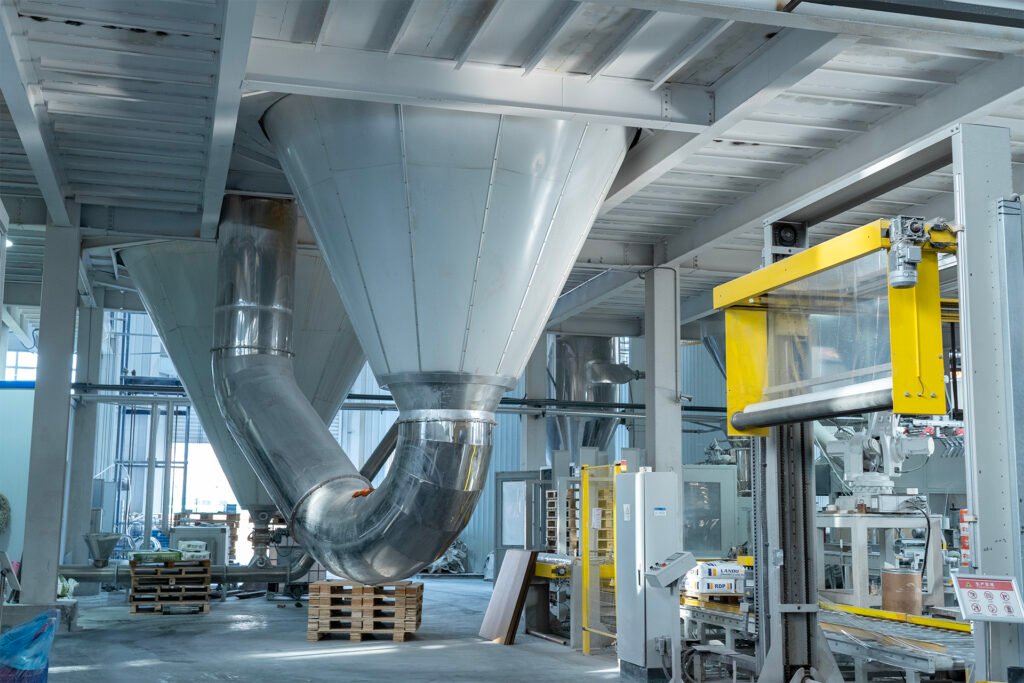
Every plant is different. Your cement, your sand, your water, your weather.
We have been solving PCE problems for concrete producers for years. Sometimes the fix is a different PCE type. Sometimes it is a dosage adjustment. Sometimes it is training your batching crew.
Here is what we offer:
Free compatibility testing with your materials
Custom PCE formulations for your specific challenges
Technical support by phone, email, or on site
Years
R&D & Manufacturing
Tons/Year
Stable Production Capacity
ISO-Certified
Production Bases

Countries
Global Distribution Network

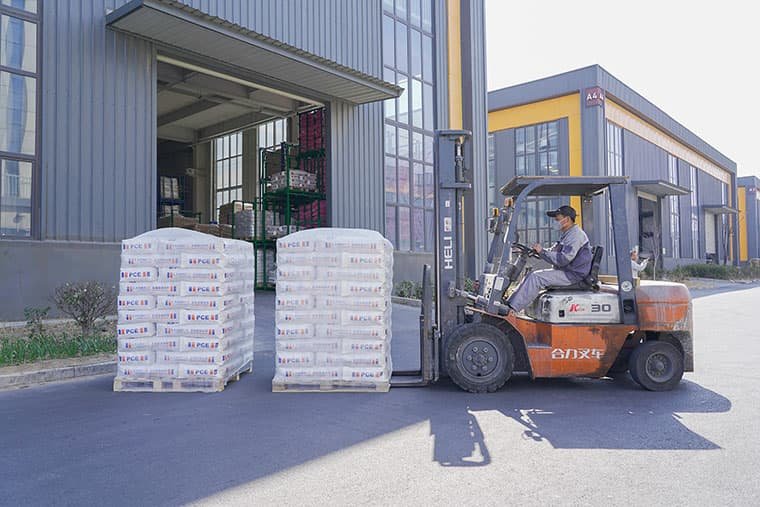
25 KG Bag: 0.69m*0.4m*0.18m
Available in:
• 500kg/Pallet (4 bags/ layer) • 600kg/Pallet (4 bags/ layer) • Customized packaging
*Notes: Please make sure NOVASTAR™ Superplasticizer products are sealed and stored in a cool, dry place away from direct sunlight or fire sources.
A: Cement temperature above 70°C, haul time exceeding 45 minutes with standard PCE, or under-dosing for the distance. Hot cement accelerates hydration and absorbs water faster. Standard PCE’s dispersing effect wears off over time.
A: Check cement temperature first. If hot (>65°C), let it cool overnight or switch to a retention PCE. If haul time is long, increase dosage by 0.05% solids or change to a slump-retention formula.
A: Most likely PCE overdosing. When you use too much PCE (above 0.4% solids), it releases excessive free water and makes the paste glue-like. Reduce dosage by 0.05-0.1% and retest.
A: Usually a supplier issue. Solid content may vary by ±2% or more, or the PCE may be old. Test density and solids on every delivery. Reject batches outside ±1% solids.
A: Different cements have different C₃A content, gypsum type, alkali content, and fineness. High C₃A (>8%) adsorbs PCE too fast. Run a mini-slump test with both cements. If results differ by more than 20mm, you need a custom PCE formulation.
A: Clay particles (especially montmorillonite) absorb PCE like a sponge. The PCE never reaches the cement. Run a simple test: wash the sand and retry. If performance improves, clay is the problem. Switch to a clay-tolerant PCE.
A: Typical solid dosage is 0.1-0.4% of cement weight. Start low and increase gradually. Overdosing causes sticky concrete; under-dosing causes slump loss. Always test with your specific materials.
LANDU PCE has been a game-changer for our ready-mix operations during the harsh winters in Bavaria. The slump retention is remarkably stable, maintaining flowability for over 90 minutes without overdosing. It also meets our local water protection class (AwSV) standards, which is a relief for our compliance team.
Munich, Germany
We switched to LANDU for our precast concrete line in Warsaw. The early strength gain is impressive—we consistently achieve 70% of design strength within 18 hours, allowing for overnight demolding. This has increased our production throughput by 20% without adding more beds.
Mexico City, Mexico
For our infrastructure project in Rotterdam, we needed a superplasticizer that performs reliably in highly congested reinforcement zones. LANDU provided excellent viscosity without segregation, and the final chloride content was well below 0.1%. This is a solid choice for European standards.
Lars van der Berg