How to Improve Tile Adhesive Open Time Without Sacrificing Bond Strength
In modern tile adhesive formulations, achieving longer open time without reducing bond strength remains a major challenge for manufacturers and contractors. Especially in hot, dry, or windy environments, rapid water evaporation can cause the adhesive surface to skin too quickly before tiles are properly installed.
When open time is insufficient, installers may experience:
- Poor tile wetting
- Reduced adhesion strength
- Hollow tiles after curing
- Tile debonding
- Increased material waste and rework
For dry mix mortar manufacturers, improving open time is not simply about adding more water retention agent. It requires a balanced formulation involving cellulose ethers, redispersible polymer powder (RDP), cement reactivity, and workability control.
This article explains the real causes of short open time in tile adhesives and how professional formulators optimize HPMC, HEMC, and RDP systems for stable performance in C1 and C2 tile adhesive applications.
What Does Open Time Mean in Tile Adhesives?
Open time refers to the period after tile adhesive application during which tiles can still be properly installed while maintaining sufficient bond strength.
According to EN 12004 standards, tile adhesive open time is closely related to the adhesive’s ability to wet the tile surface after exposure to air.
In practical applications, open time is influenced by several factors:
- Water retention capability
- Cement hydration rate
- Ambient temperature and humidity
- Polymer modification
- Cellulose ether performance
- Mortar rheology
Once excessive moisture evaporates from the adhesive surface, skinning occurs. At this stage, the adhesive can no longer effectively transfer to the back of the tile, resulting in poor adhesion.
Common Causes of Short Open Time in Tile Adhesive Formulations
High Temperature and Low Humidity
Hot weather significantly accelerates water evaporation from cement-based tile adhesives.
In summer conditions or dry climates, installers often notice that the mortar surface dries much faster than expected, particularly when applying adhesives on absorbent substrates.
This rapid moisture loss shortens the effective installation window and increases the risk of bonding failure.
Poor Water Retention Performance
Water retention is one of the most critical factors affecting open time.
Low-quality or improperly selected cellulose ethers may fail to retain enough water inside the mortar system. As a result:
- Cement hydrates too quickly
- Surface drying accelerates
- Skinning occurs earlier
- Workability deteriorates rapidly
A stable water retention system is essential for maintaining proper hydration and extending workable time.
Incorrect Cellulose Ether Selection
Many manufacturers assume that simply increasing viscosity can improve open time. In reality, excessively high viscosity cellulose ether may negatively affect spreading performance and tile wetting.
Proper HPMC or HEMC selection requires balancing:
- Water retention
- Workability
- Slip resistance
- Open time
- Troweling performance
For premium C2 tile adhesives, balanced rheology is usually more important than extremely high viscosity alone.
Fast Cement Hydration
Some cement systems exhibit very rapid hydration reactions, especially high-early-strength cement grades.
Without sufficient hydration control, the mortar loses workable moisture quickly, leading to:
- Shortened open time
- Reduced adjustment time
- Poor installer experience
In practice, formulation optimization often requires coordination between cement type and additive system.
Insufficient Polymer Modification
Many low-cost tile adhesive formulations rely almost entirely on cellulose ether while neglecting polymer modification.
However, redispersible polymer powder (RDP) also plays an important role in maintaining adhesion after surface exposure.
Proper polymer modification improves:
- Wetting capability
- Flexibility
- Adhesion retention
- Surface tack
- Anti-cracking performance
This becomes especially important for large-format tiles and low-absorption porcelain tiles.
How HPMC and HEMC Affect Tile Adhesive Open Time
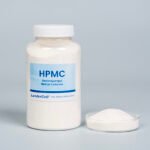
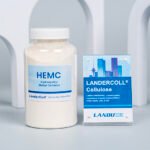
Hydroxypropyl methyl cellulose (HPMC) and hydroxyethyl methyl cellulose (HEMC) are the primary water retention agents used in tile adhesive formulations.
Their main functions include:
- Retaining water within the mortar
- Slowing premature moisture evaporation
- Improving workability
- Stabilizing mortar consistency
- Extending open time
In practical formulation design, cellulose ether performance depends on more than viscosity alone.
Key factors include:
- Particle size
- Surface treatment
- Thermal gel behavior
- Dissolution speed
- Enzyme resistance
- Compatibility with cement systems
For example, excessively slow dissolution may negatively affect onsite mixing consistency, while poor thermal stability may reduce performance under high-temperature conditions.
Professional formulators typically optimize cellulose ether dosage based on:
- Tile type
- Climate conditions
- Cement grade
- Sand grading
- Construction method
For high-performance C2 tile adhesives, balanced HEMC systems are often preferred for achieving both extended open time and good troweling properties.
Why RDP Also Matters for Open Time
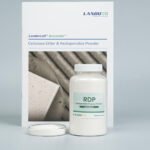
Redispersible polymer powder (RDP) is often associated with flexibility and adhesion improvement, but its influence on open time is frequently underestimated.
After partial surface drying occurs, RDP helps maintain adhesive contact between mortar and tile surface.
This contributes to:
- Better late-stage wetting
- Improved bonding reliability
- Reduced adhesion loss after exposure
- Enhanced deformation resistance
In demanding applications such as porcelain tile installation, exterior wall systems, and large-format tiles, combining cellulose ether with appropriate RDP grades significantly improves installation safety.
Polymer modification also helps reduce brittle behavior in cement-based systems, improving long-term durability under thermal and mechanical stress.
Practical Formulation Tips to Extend Open Time
The following formulation strategies are commonly used by professional dry mix mortar manufacturers to improve tile adhesive open time without compromising overall performance.
| Formulation Factor | Recommended Approach |
|---|---|
| Cellulose ether selection | Use balanced viscosity HPMC or HEMC with stable water retention |
| Cement system | Avoid overly reactive cement grades when possible |
| RDP dosage | Optimize polymer content for wetting and adhesion retention |
| Water demand | Maintain workable consistency without excessive water addition |
| Sand grading | Improve mortar structure stability with proper aggregate distribution |
| Climate adaptation | Adjust formulation for summer or dry-weather conditions |
| Workability balance | Avoid excessive viscosity that reduces spreading efficiency |
In real production environments, laboratory testing remains essential because raw material compatibility can vary significantly between regions and cement suppliers.
Recommended Additives for C1 and C2 Tile Adhesives
Modern tile adhesive systems require carefully balanced additive combinations to meet both application performance and EN 12004 requirements.
Typical additive systems include:
- HPMC for water retention and workability
- HEMC for improved open time stability
- RDP for adhesion and flexibility
- Starch ether for anti-slip performance
- Defoamer for air control
For manufacturers targeting premium C2 formulations, additive compatibility becomes increasingly important, especially for large tiles, porcelain applications, and exterior Applications.
As a professional dry mix mortar additive manufacturer, LANDU supplies cellulose ethers and redispersible polymer powders designed for tile adhesive and construction mortar systems.
Related product solutions:
Conclusion
Improving tile adhesive open time requires more than increasing cellulose ether dosage. Stable performance depends on balancing water retention, workability, hydration control, and polymer modification within the entire mortar system.
For modern C1 and C2 tile adhesive formulations, carefully selected HPMC, HEMC, and RDP combinations help manufacturers achieve:
- Longer workable time
- Better tile wetting
- Improved bond strength
- More stable installation performance
- Enhanced durability under demanding conditions
As installation standards continue to rise in European construction markets, optimized additive systems are becoming increasingly important for both production stability and long-term project reliability.
Frequently Asked Questions
What is the ideal open time for tile adhesive?
Most standard tile adhesives target an open time of at least 20 minutes according to EN 12004 requirements. Premium formulations may provide even longer workable time under controlled conditions.
How can I increase open time in hot weather?
Improving water retention through optimized HPMC or HEMC selection is one of the most effective methods. Adjusting cement reactivity and polymer modification can also help reduce rapid surface drying.
Does HPMC improve tile adhesive open time?
Yes. HPMC helps retain moisture inside the mortar system, slowing water evaporation and extending workable installation time.
What causes tile adhesive skinning?
Skinning usually occurs when moisture evaporates too quickly from the adhesive surface due to high temperature, low humidity, excessive airflow, or insufficient water retention performance.
Can RDP extend tile adhesive working time?
RDP does not directly increase open time like cellulose ether, but it helps maintain adhesion and wetting performance after surface exposure, improving installation reliability.
What is the difference between open time and pot life?
Open time refers to the period after adhesive application during which tiles can still be installed properly. Pot life refers to how long the mixed mortar remains usable inside the bucket.
How does viscosity affect tile adhesive performance?
Higher viscosity may improve water retention and anti-sag performance, but excessively high viscosity can negatively affect spreading, wetting, and installer workability.
Which cellulose ether is best for C2 tile adhesive?
The ideal cellulose ether depends on formulation goals, climate conditions, cement system, and application requirements. Balanced HEMC and HPMC grades are commonly used in high-performance C2 tile adhesive systems.