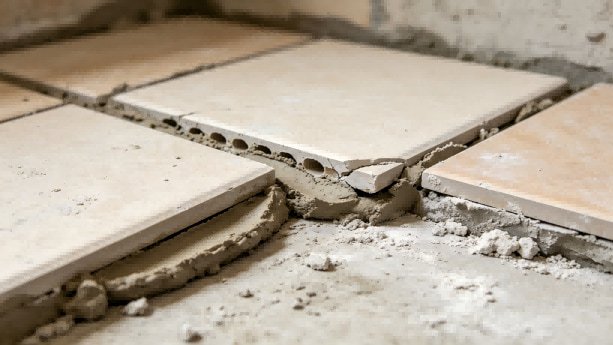
Tile adhesive problems rarely appear immediately after installation. In many cases, the tiles look stable on the first day, but issues begin to show up later: hollow spots under the surface, weak bonding on wall tiles, edge lifting or cracking around movement areas.
On site, these problems are often blamed on workmanship alone. But for manufacturers and experienced installers, the tile adhesive formulations itself is usually part of the story.
Modern tile installation conditions are much more demanding than they were years ago. Large-format porcelain tiles, heated screeds, low-absorption surfaces and faster construction schedules leave far less room for error during installation.
That is why formulation balance has become increasingly important in modern tile adhesive formulations systems.
Hollow tiles are still one of the most common complaints after installation, especially on large porcelain tiles.
In many cases, the adhesive does not fully wet the back of the tile before the surface begins drying. The problem becomes more obvious in hot or windy conditions, where moisture disappears too quickly from the adhesive layer.
Once skinning starts, proper contact between the adhesive and tile surface becomes difficult to maintain.
Installers often notice this first on large-format floor tiles, where hollow areas may appear near corners or edges after curing.
Water retention plays a major role here.
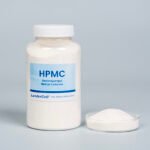
This is one reason cellulose ether is widely used in tile adhesive formulations. Proper HPMC selection helps the adhesive remain workable for longer and improves wetting performance during installation.
Related reading:
• how to extend tile adhesive open time
• hpmc for tile adhesive
Traditional cement mortar performed reasonably well on older ceramic tiles because the surface absorbed more water during curing.
Porcelain tiles changed the situation completely.
Low-absorption surfaces make bonding much more dependent on formulation performance rather than simple cement hydration. Once tile sizes increase, the stress placed on the adhesive layer also becomes significantly higher.
This is why standard mortar systems often struggle with modern porcelain installations.
Polymer modification is now considered essential for many tile adhesive systems used on porcelain tiles, exterior walls and heated substrates.
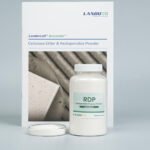
redispersible polymer powder helps improve adhesion strength and flexibility after curing, particularly where substrate movement or temperature variation cannot be avoided.
Related reading:
• rdp for dry mix mortar
• flexible redispersible polymer powder
• tile adhesive vs cement mortar
Wall tile installation creates a different kind of challenge.
The adhesive must remain workable while still holding the tile in position before curing develops enough strength. If the formulation lacks proper anti-slip performance, tiles may slowly move downward during installation.
This becomes more difficult with:
Increasing viscosity alone does not always solve the problem. Excessive thickening can reduce workability and make spreading more difficult for installers.
In practice, good slip resistance usually depends on balancing water retention, rheology and polymer performance together.
That is why anti-slip additives and HPMC selection are both important in modern tile adhesive formulations production.
Many contractors notice that tile adhesive behaves differently in hot weather.
The material may feel normal during mixing, but open time drops much faster once the adhesive is spread onto the substrate. On absorbent concrete or under direct airflow, the surface can dry surprisingly quickly.
Once this happens, bonding reliability decreases immediately.
This issue is especially common on fast-moving construction sites where installers cover large areas at one time.
For manufacturers, improving open time is usually not about increasing water alone. The balance between cellulose ether, filler system and overall formulation stability is much more important.
Further reading:
• /tile-adhesive-composition/
• tile adhesive additives
When cracking appears after installation, many people assume the adhesive layer was simply “too weak”.
In reality, movement is often the bigger issue.
Heated screeds, balconies, exterior walls and lightweight substrates all create stress inside the tile system over time. Rigid mortar layers tolerate this movement poorly, especially with large porcelain tiles.
This is one reason flexible tile adhesive has become increasingly common across Europe.
Polymer-modified systems help absorb minor substrate movement and reduce stress concentration inside the bonded layer.
Without sufficient flexibility, even high cement content cannot fully prevent cracking or debonding under changing service conditions.
One of the difficult things about tile installation problems is that failure usually develops slowly.
A system may appear stable immediately after installation, while issues related to poor wetting, insufficient open time or low flexibility only become visible weeks or months later.
For manufacturers, this is why formulation consistency matters just as much as raw material quality.
At LANDU, we work with dry mix mortar manufacturers developing tile adhesive systems for porcelain tiles, large-format installation and other demanding applications. Our additive solutions help improve water retention, workability, flexibility and installation stability under different construction conditions.
Related pages:
• tile adhesive additives
• /flexible-tile-adhesive/
• /tile-adhesive-for-large-format-tiles/
Hollow tiles are usually caused by poor wetting between adhesive and tile surface. In many cases, this happens when the adhesive loses moisture too quickly before proper contact is formed, especially in hot or windy conditions. Proper water retention in the formulation helps reduce this risk.
Bonding loss is often related to a combination of factors, including substrate preparation, tile absorption rate and adhesive formulation. Porcelain tiles with very low water absorption require better wetting and polymer modification to maintain reliable adhesion.
Fast drying usually occurs in hot weather, high airflow environments or on highly absorbent substrates. When moisture evaporates too quickly, open time becomes too short and installation quality is affected.
Tile slipping is mainly related to rheology and formulation balance rather than cement content alone. Good anti-slip performance depends on the interaction between viscosity control and additives used in the system.
Yes, in most cases. Porcelain tiles have low water absorption, which makes bonding more dependent on polymer-modified adhesive systems rather than traditional cement mortar.
Not reliably. Increasing cement content does not solve issues such as poor wetting, low flexibility or short open time. Modern formulation balance is more important than cement dosage alone.